Book the perfect tours to make your holiday in Iceland a time to remember! We have carefully selected partners to offer what we believe to be the best tours & activities available in Iceland.
Below you can browse by category or by location on the map. Click on the map to explore Iceland!
Live availability
Book tours with live availability
Find Things To Do In Iceland
Enjoy Iceland on your terms!
Tours In Iceland
Things to Do in Iceland: The Complete 2026 Guide
Iceland packs more natural drama into 103,000 square kilometers than almost any country on Earth. Erupting volcanoes, crawling glaciers, black sand beaches, geothermal lagoons, and waterfalls so frequent that locals stop pointing them out. The challenge is not finding things to do in Iceland. The challenge is choosing.
This guide is written to solve exactly that problem. Below you will find the experiences that genuinely justify the journey, organized by type, with honest notes on cost, season, and how to avoid the crowds that now descend on the most famous spots.
The Essentials: 10 Things Everyone Should Do Once
Drive the Golden Circle
The Golden Circle is the classic 186 miles (300 kilometer) loop from Reykjavík covering three headline sights: Þingvellir National Park, where the North American and Eurasian tectonic plates pull apart and where Iceland’s parliament was founded in 930 AD; the Geysir geothermal area, where Strokkur erupts every 5 to 10 minutes; and Gullfoss, a two tier waterfall that thunders into a canyon. You can drive it yourself in 4 to 6 hours or join a tour from around 12,000 ISK (about $89 / €80). Go before 9 am or after 5 pm in summer to beat the buses.
Soak in a Geothermal Lagoon
The Blue Lagoon is the famous one, and it earns its reputation, but it is no longer the only option. Sky Lagoon, 15 minutes from downtown Reykjavík, offers an oceanfront infinity edge and a seven step bathing ritual. The Secret Lagoon in Flúðir is the budget pick, and Mývatn Nature Baths is the northern alternative with a fraction of the visitors. Book the Blue Lagoon at least a week ahead in summer.
Chase the Northern Lights (September to April)
The aurora borealis is visible in Iceland from roughly late August through mid April. You need three things: darkness, clear skies, and solar activity. Check the Icelandic Met Office aurora forecast, drive away from city lights, and give yourself multiple nights. A single night strategy fails more often than it succeeds.
Walk Behind Seljalandsfoss
On the South Coast, Seljalandsfoss drops 197 feet (60 meters) and a footpath loops behind the curtain of water. Bring a rain shell because you will get wet. Ten minutes up the road, the hidden waterfall Gljúfrabúi sits tucked inside a mossy canyon and most visitors miss it entirely.
Stand on Reynisfjara Black Sand Beach
Near the village of Vík, Reynisfjara is the most photographed beach in Iceland: jet black sand, hexagonal basalt columns, and the Reynisdrangar sea stacks offshore. Respect the warning signs. Sneaker waves here are genuinely dangerous and have killed visitors. Never turn your back on the ocean.
See Icebergs at Jökulsárlón Glacier Lagoon
Icebergs calve off Breiðamerkurjökull glacier and drift through this lagoon toward the sea, washing up on the adjacent Diamond Beach like shards of glass. It is a 5 hour drive from Reykjavík, which is why it pairs best with an overnight stop in Vík or Höfn rather than a brutal single day round trip.
Hike on a Glacier
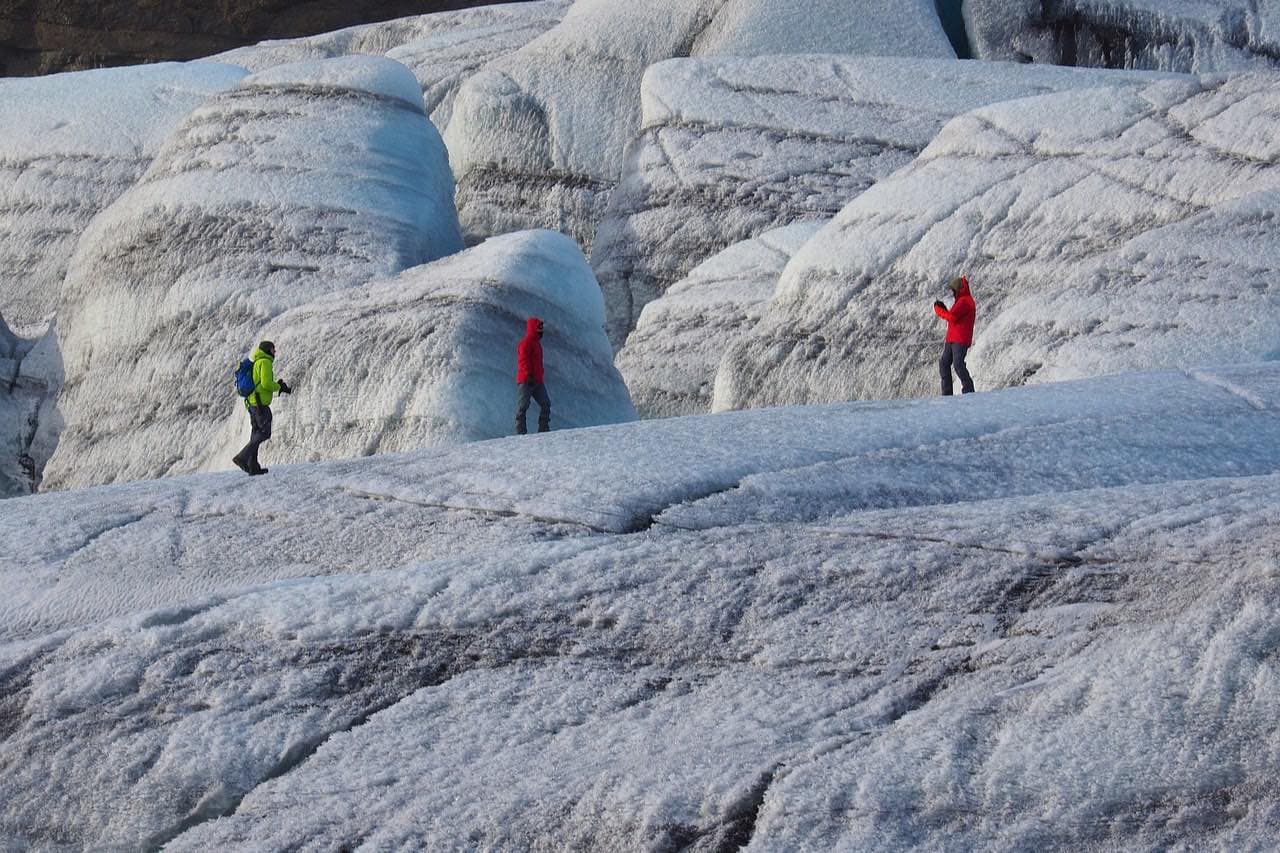
Walking on Sólheimajökull or a tongue of Vatnajökull, Europe’s largest ice cap, with crampons and an ice axe is one of the most memorable half days you can spend in the country. Certified guides are mandatory, and for good reason: crevasses are invisible to the untrained eye. Tours start around 16,500 ISK (about $120 / €110).
Go Whale Watching from Húsavík or Reykjavík
Húsavík in North Iceland is the whale watching capital, with humpback sightings on the vast majority of summer departures from Skjálfandi Bay. If your itinerary keeps you south, boats also run from Reykjavík’s Old Harbour year round.
Explore a Lava Cave or Ice Cave
In winter (roughly November to March), guided tours enter the electric blue ice caves of Vatnajökull. In summer, lava tubes like Raufarhólshellir and Víðgelmir offer an underground look at how this island was built. Both are weather safe options for stormy days.
Wander Reykjavík
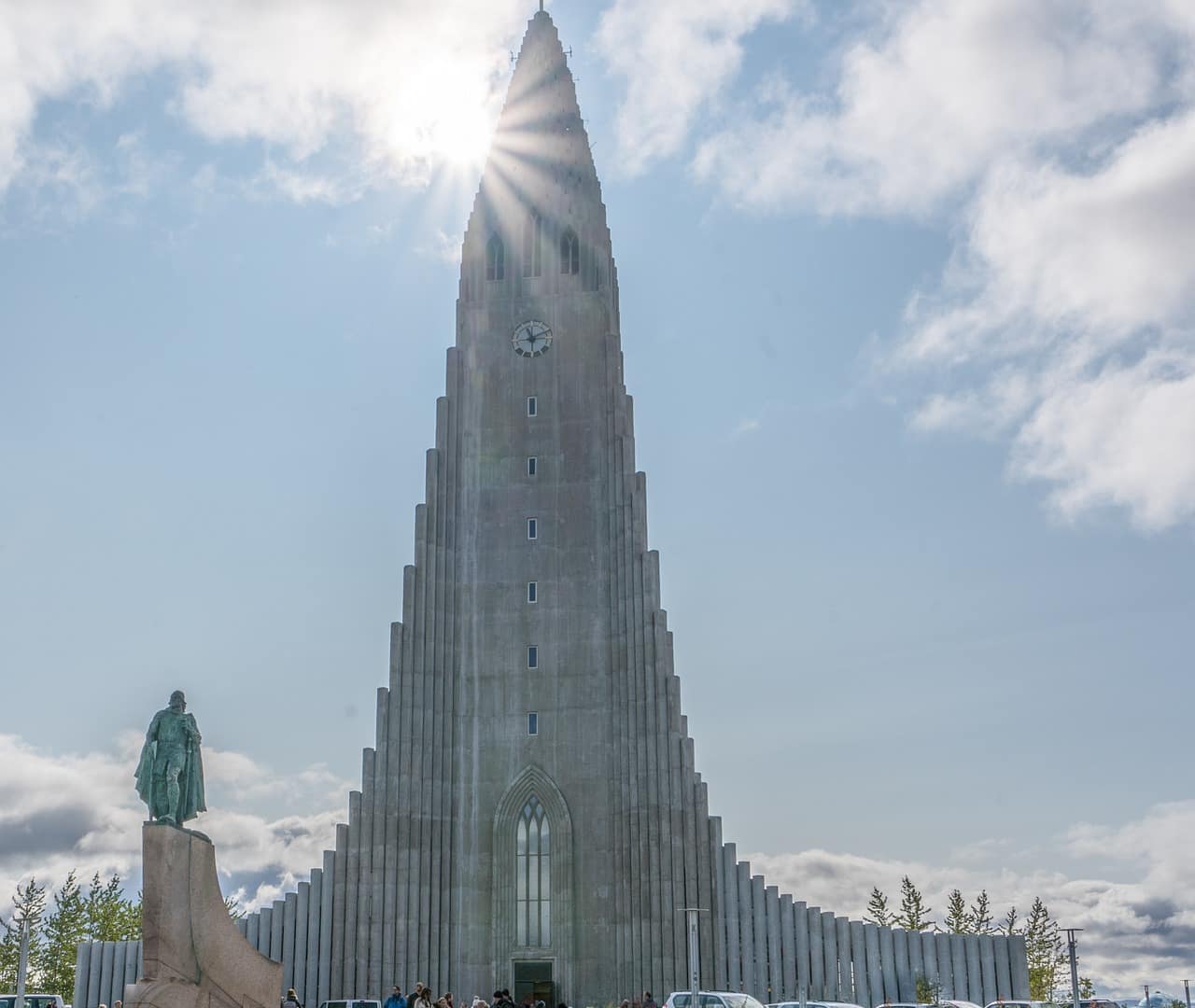
The world’s northernmost capital deserves a full day: Hallgrímskirkja church and its tower view, Harpa Concert Hall, the Sun Voyager sculpture, the old harbour, and a swim at a local pool like Sundhöllin alongside actual Icelanders. Our full guide to things to do in Reykjavík covers the city in depth.
Beyond the Highlights: For Second Timers and Slow Travelers
- The Westfjords. Remote, raw, and nearly empty. Dynjandi waterfall and the Látrabjarg bird cliffs reward the long drive.
- Landmannalaugar. Rhyolite mountains in shades of red, yellow, and green, reachable in summer by highland bus or super jeep. The trailhead of the famous Laugavegur trek.
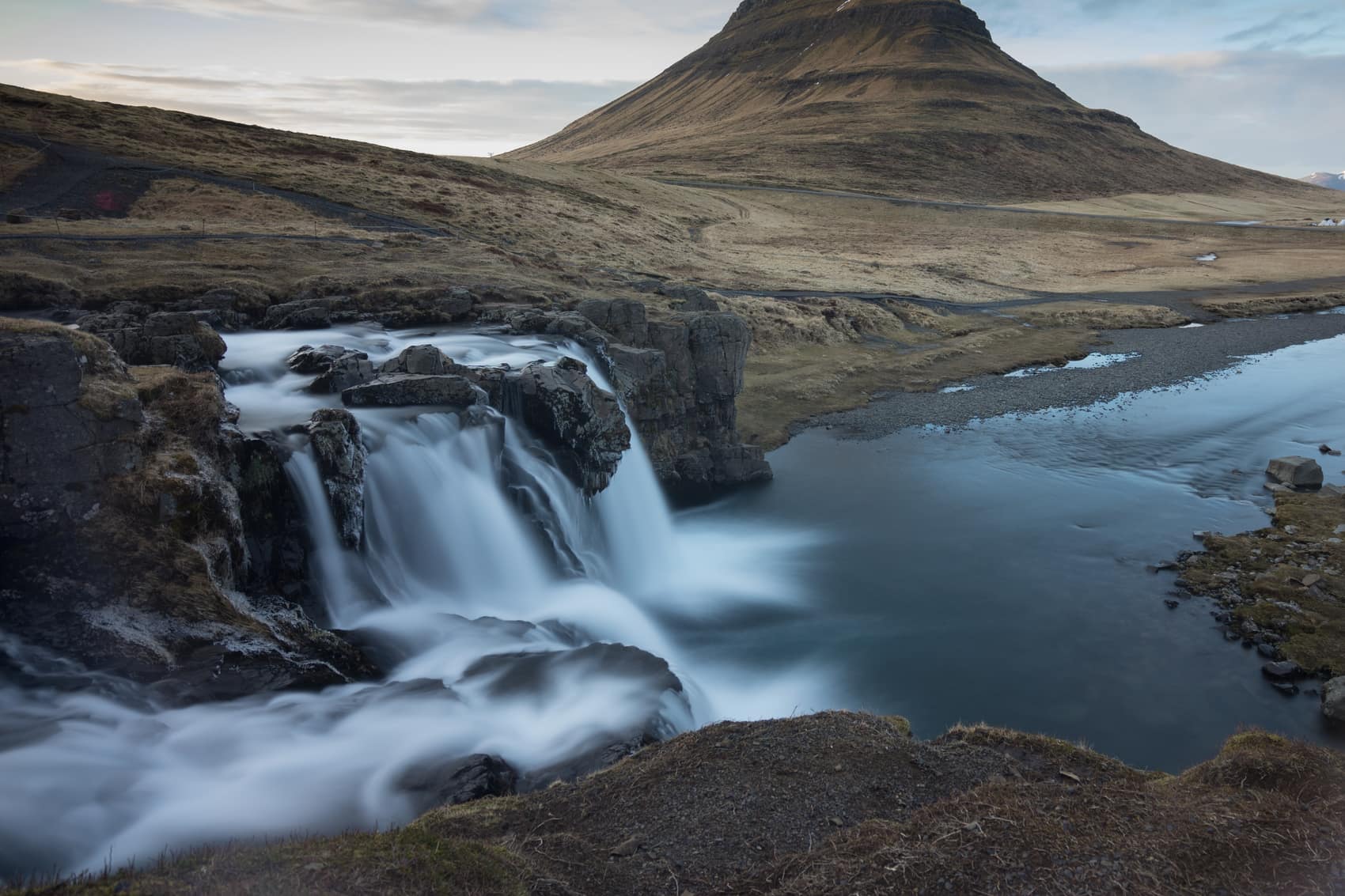
- Snæfellsnes Peninsula. Often called Iceland in miniature: the Kirkjufell mountain, Arnarstapi cliffs, and a glacier capped volcano, all within a day loop from Reykjavík.
- Askja and the Highlands. A caldera lake in a lunar desert. NASA trained Apollo astronauts here.
- Puffin watching (May to August). The Westman Islands host the largest puffin colony on Earth. Borgarfjörður eystri in the East offers the closest viewing platforms.
Things to Do in Iceland by Season
Summer (June to August): Midnight sun, highland roads open, puffins, whale watching at its peak, and every hiking trail accessible. The trade off is peak prices and crowds.
Winter (November to March): Northern lights, ice caves, snow covered landscapes, and far lower accommodation prices. Daylight shrinks to 4 to 5 hours in December, so plan tightly.
Shoulder seasons (April to May, September to October): The sweet spot for value. September offers aurora chances with autumn colors and manageable weather. See our month by month guides for detailed planning.
Practical Tips From Two Decades of Iceland Travel Planning
- Rent a car if you can. Public transport between sights is minimal. A 2WD is fine for the Ring Road in summer; winter and highland routes demand 4WD.
- Book accommodation early for June to August. Rural guesthouses sell out months ahead.
- Check road.is and vedur.is daily. Weather closes roads year round, and Icelanders take the forecasts seriously. You should too.
- Budget realistically. Iceland is expensive. Expect 3,000 to 5,000 ISK (about $35 / €35) for a casual meal and 25,000 ISK (about $180 / €170) and up for a mid range double room.
- The tap water is glacier fed and free. Never buy bottled water.
- Respect closures and ropes. Moss takes decades to regrow, and rescue services are volunteer run.
Frequently Asked Questions
How many days do you need in Iceland?
Five to seven days covers Reykjavík, the Golden Circle, and the South Coast comfortably. The full Ring Road deserves 10 to 14 days.
What is Iceland best known for?
Waterfalls, volcanoes, glaciers, geothermal lagoons, the northern lights, and the midnight sun.
Is Iceland expensive to visit?
Yes, among the most expensive countries in Europe, but free natural sights, grocery stores like Bónus, and shoulder season travel bring costs down significantly.
Can you see the northern lights in summer?
No. The sky never gets dark enough between roughly mid April and mid August.
Do I need a tour or can I self drive?
Most highlights are self drive friendly. Glacier hikes and ice caves, and highland routes, require guides or specialist vehicles.
Explore Iceland by region
Hover or tap a location to explore