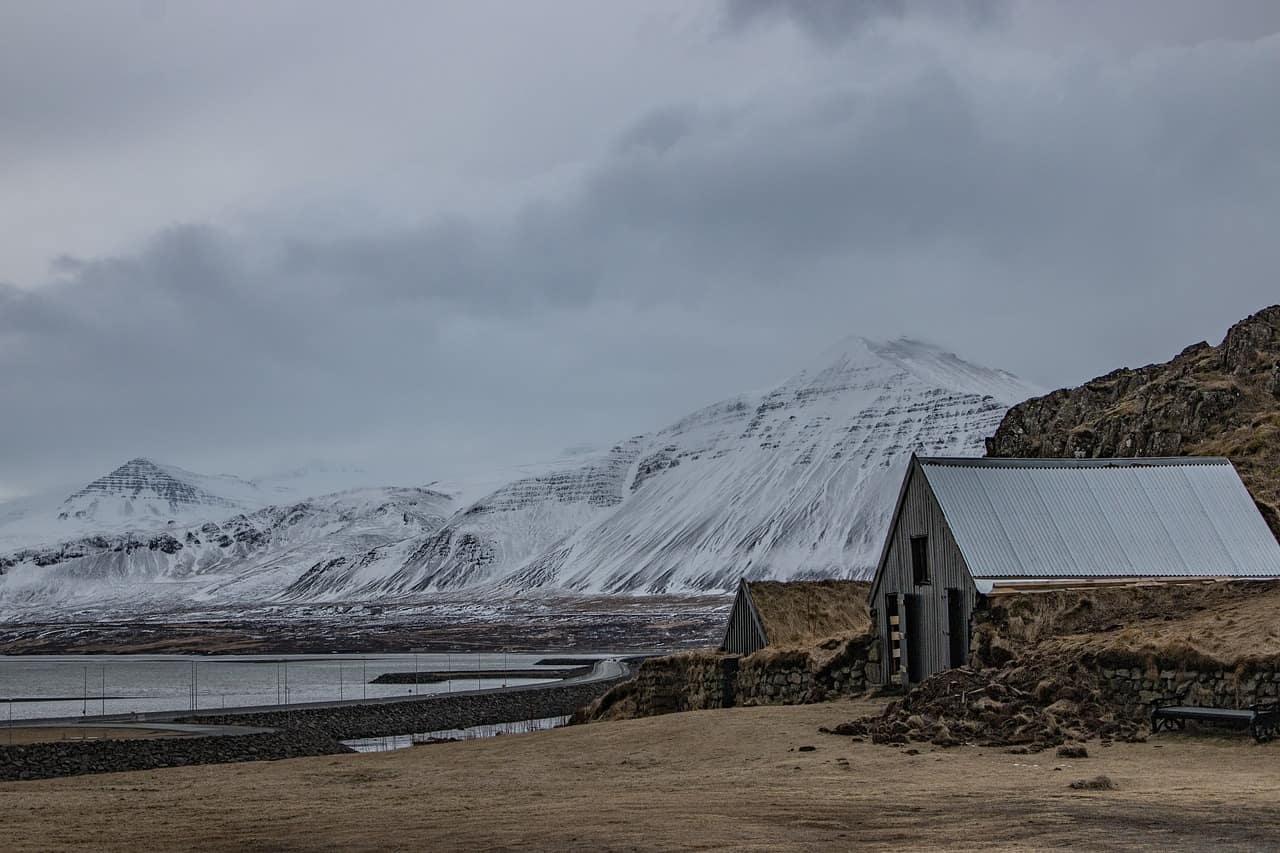
West Iceland is the most overqualified day trip region in the country. Within two hours of Reykjavík sit a peninsula so varied locals call it Iceland in miniature, Europe’s highest flowing hot spring, a lava cave you can walk a kilometer into, waterfalls that emerge fully formed from beneath a lava field, and the farms where the sagas were lived and written. Most regions would build a tourism industry on any one of these. The west has all of them and still feels unhurried.
Live availability
Book tours with live availability
Snæfellsnes: The Famous Peninsula
The 56 miles (90 kilometer) peninsula concentrates the national portfolio: Kirkjufell, the most photographed mountain in Iceland, with its waterfall foreground at Grundarfjörður; Snæfellsjökull, the glacier capped volcano Jules Verne chose as the gateway to the center of the Earth, crowning a national park of lava coast; Djúpalónssandur, the black pebble beach with its lifting stones once used to grade fishermen; the Arnarstapi to Hellnar cliff walk past stone arches and basalt colonnades; Búðakirkja, the lone black church on its lava field; Ytri Tunga, the reliable seal beach; and Vatnshellir, the 8,000 year old lava tube descending by spiral stair. A long day loops it from Reykjavík; an overnight in Grundarfjörður or Stykkishólmur, the colorful harbor town that ferries to the western isles, does it justice.
Borgarfjörður: The Quiet Heavyweight
Inland from Borgarnes, the west’s second act outdraws most regions:
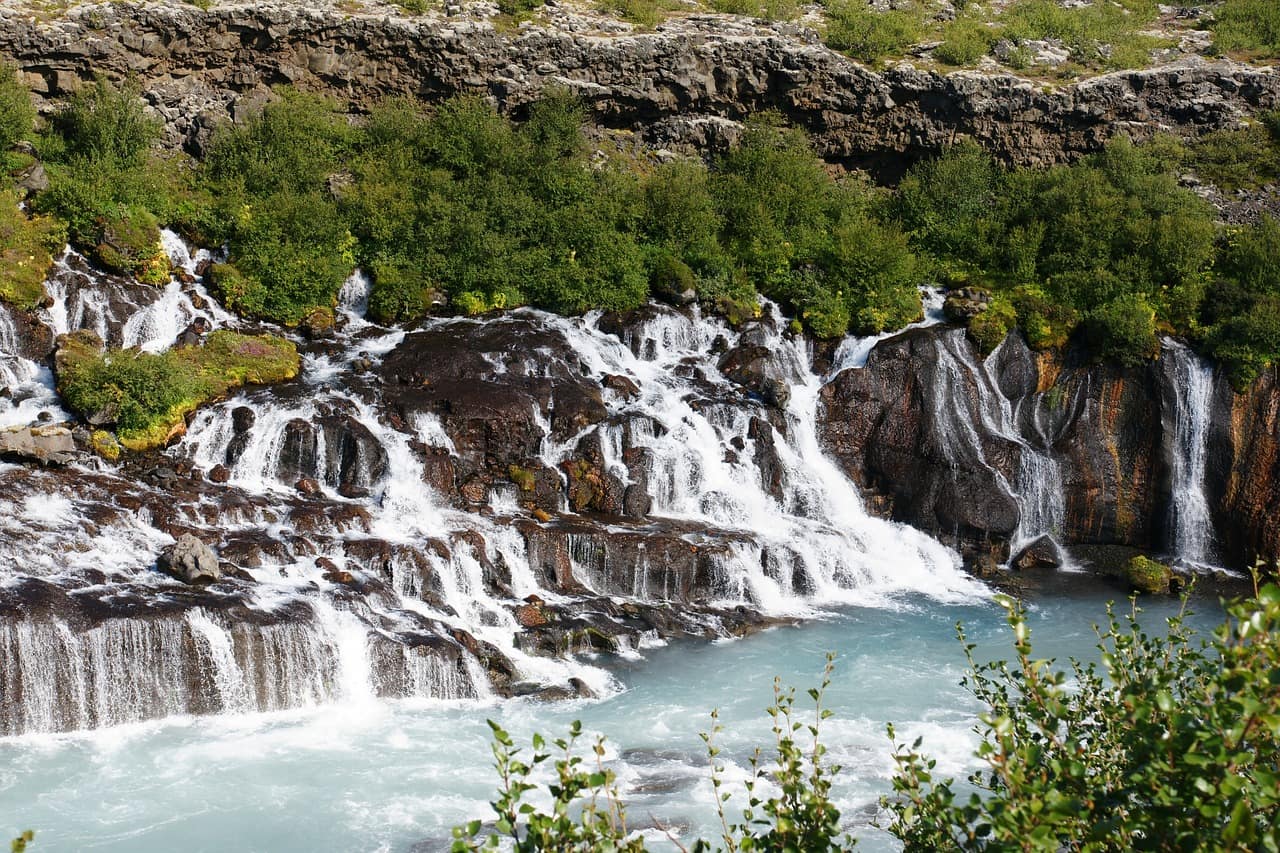
Hraunfossar and Barnafoss. A kilometer of waterfalls emerging straight out of the Hallmundarhraun lava field into the milky blue Hvítá: water with no visible river above. Barnafoss churns through its narrow chute next door, carrying its grim children’s folktale.
Deildartunguhver. Europe’s most voluminous hot spring boils out 180 liters per second at 100 degrees, heating towns up to 40 miles (65 kilometers) away. The Krauma baths beside it mix that water with glacial melt for the region’s premium soak.
Víðgelmir. Iceland’s largest lava cave by volume: a guided kilometer underground through ice formations and mineral colors, open year round.
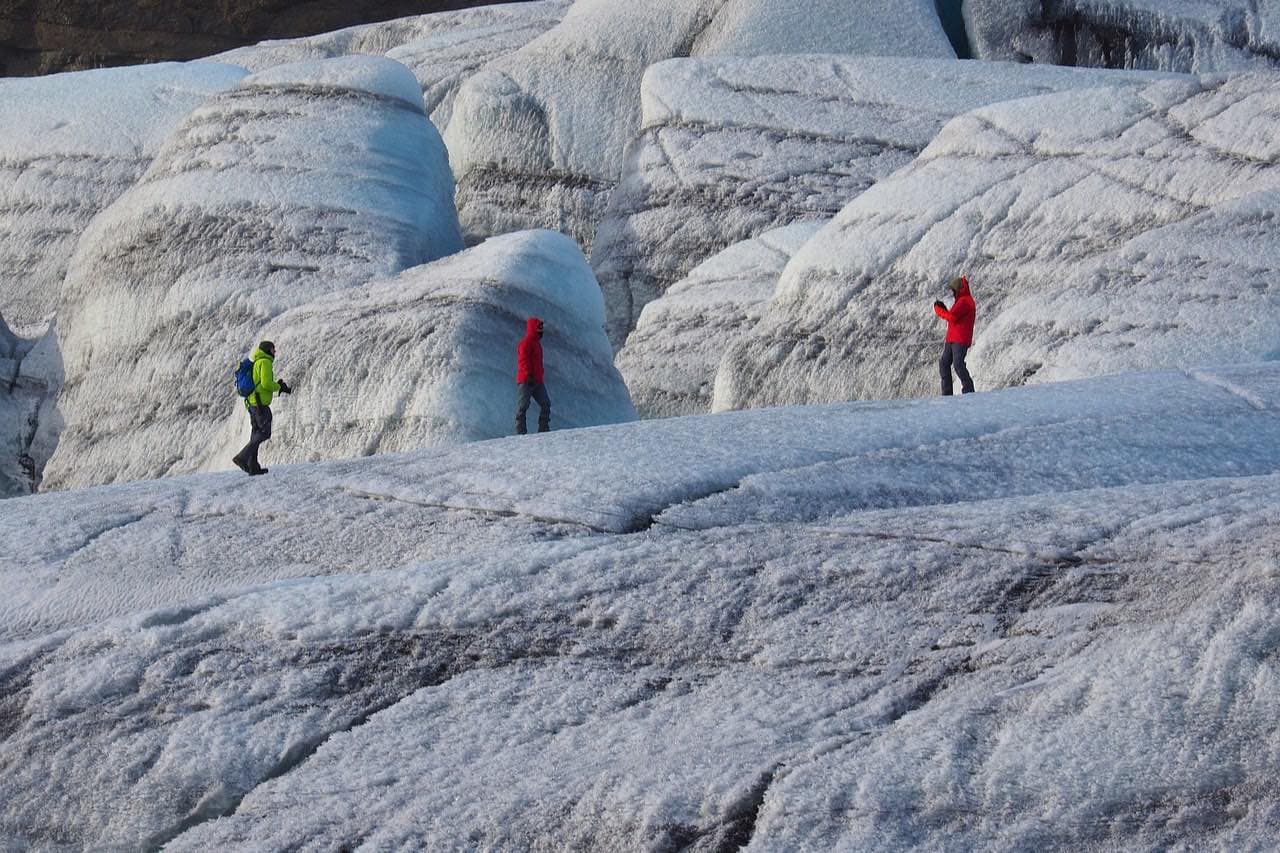
Into the Glacier. From Húsafell, monster trucks climb Langjökull to the man made ice tunnel bored into the glacier’s blue heart, the west’s signature big ticket.
Reykholt. The home of Snorri Sturluson, the 13th century chieftain and author who preserved Norse mythology for the world, with his original geothermal pool, Snorralaug, still steaming in the yard where his story ended violently in 1241.
Saga Country and Borgarnes
The west is the stage of the sagas: Egil’s Saga unfolds around Borgarnes, where the Settlement Centre’s two exhibitions (Iceland’s settlement and Egil’s brutal, brilliant life) provide the best narrative grounding in the country for everything west Iceland shows you afterward. Our dedicated Borgarnes guide covers the town. Further north, Eiríksstaðir reconstructs the turf farm of Erik the Red, where Leif Eriksson, the first European in America, was likely born: the west’s claim on world history, staffed in summer by costumed storytellers.
The Practical West
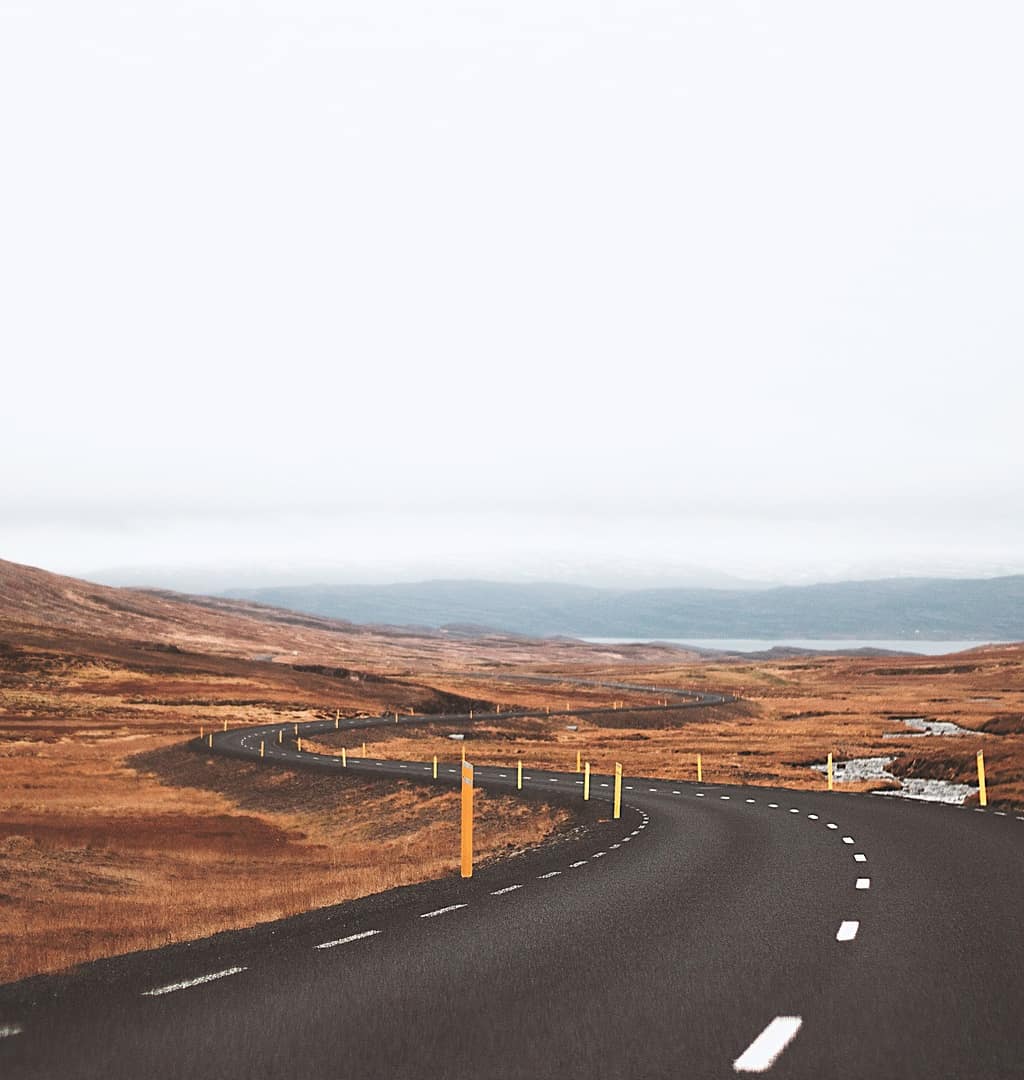
The region splits naturally: Snæfellsnes as one full day (or overnight), Borgarfjörður as another, with Borgarnes the hinge between them, 75 minutes from Reykjavík through the Hvalfjörður tunnel. Roads are lowland and year round friendly; winter asks only the standard 4WD and forecast discipline. The west also hides the mainland’s most beloved remote pool tradition at Húsafell and, for the ambitious, the Westfjords gateway at its northern edge: our Westfjords guide takes over from there.
Frequently Asked Questions
Is Snæfellsnes worth it compared to the Golden Circle?
They answer different questions: the Circle for iconic geology in half a day, Snæfellsnes for coastal variety in a full one. Trips of five plus days should take both.
How far is West Iceland from Reykjavík?
Borgarnes is 75 minutes; Kirkjufell about 2.5 hours; the Snæfellsnes tip about 3. All comfortably day trippable, better overnighted.
What is West Iceland known for?
Snæfellsjökull and the peninsula, the lava waterfalls of Hraunfossar, Europe’s mightiest hot spring, and the saga heritage of Snorri and Egil.