
February is the connoisseur’s winter month. It keeps everything January offers (ice caves, long aurora nights, snowbound landscapes) while handing back two precious hours of daylight, statistically steadier weather, and a festival calendar that lights up the capital. If you want full winter Iceland with slightly better odds, February is your month.
What Makes February Different
Daylight grows fast: from about 7 hours at the start to 10 by month’s end, with sunrises late enough that nobody misses one. Reykjavík averages around 28 to 37°F (minus 2 to plus 3°C). The deep winter activities all still run, but the brutal storm frequency of midwinter begins to ease. Hotels and flights remain at low season prices right up until the spring shoulder.
The Best Things to Do in Iceland in February
Ice Caves in Their Prime Finale
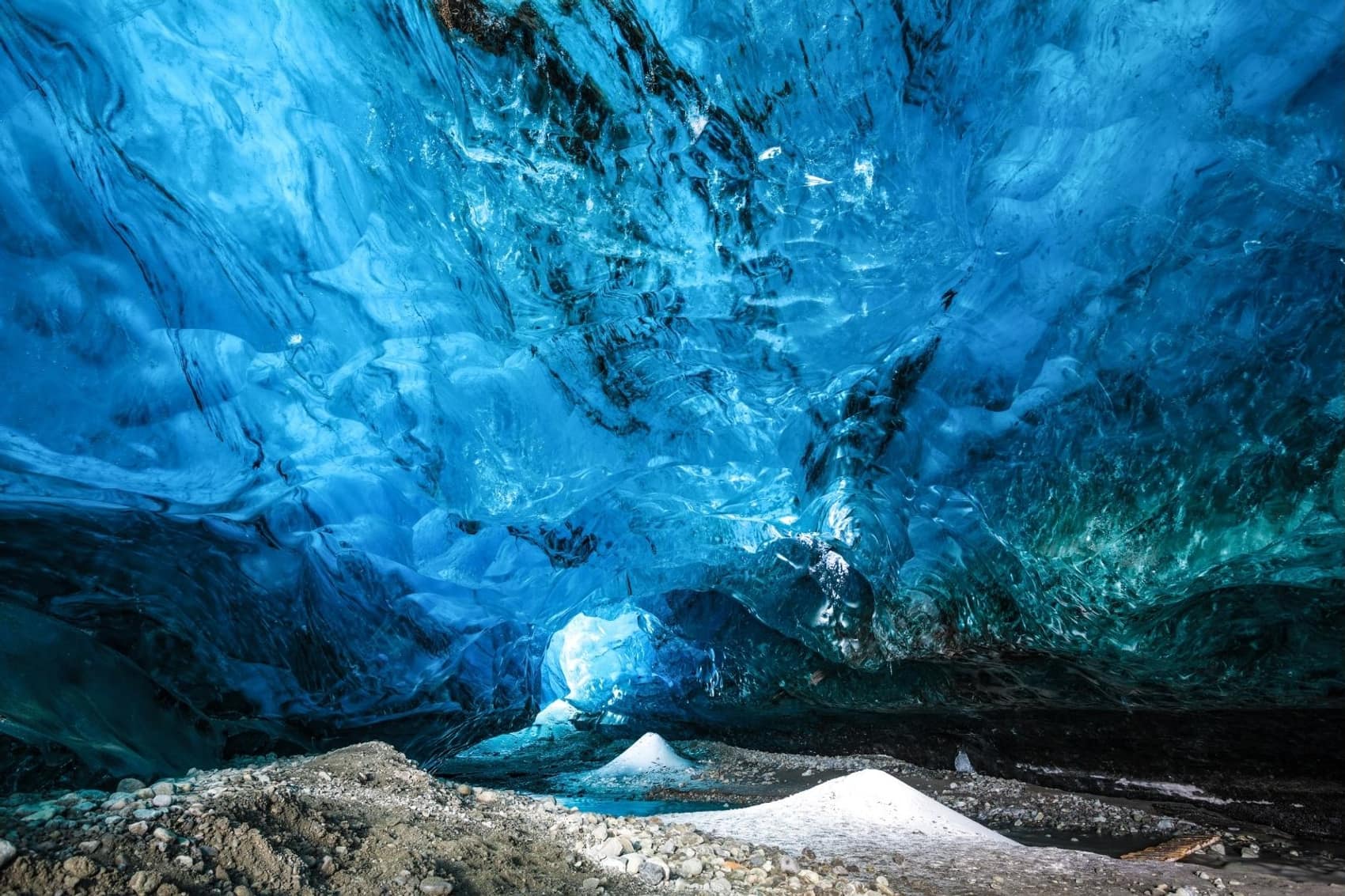
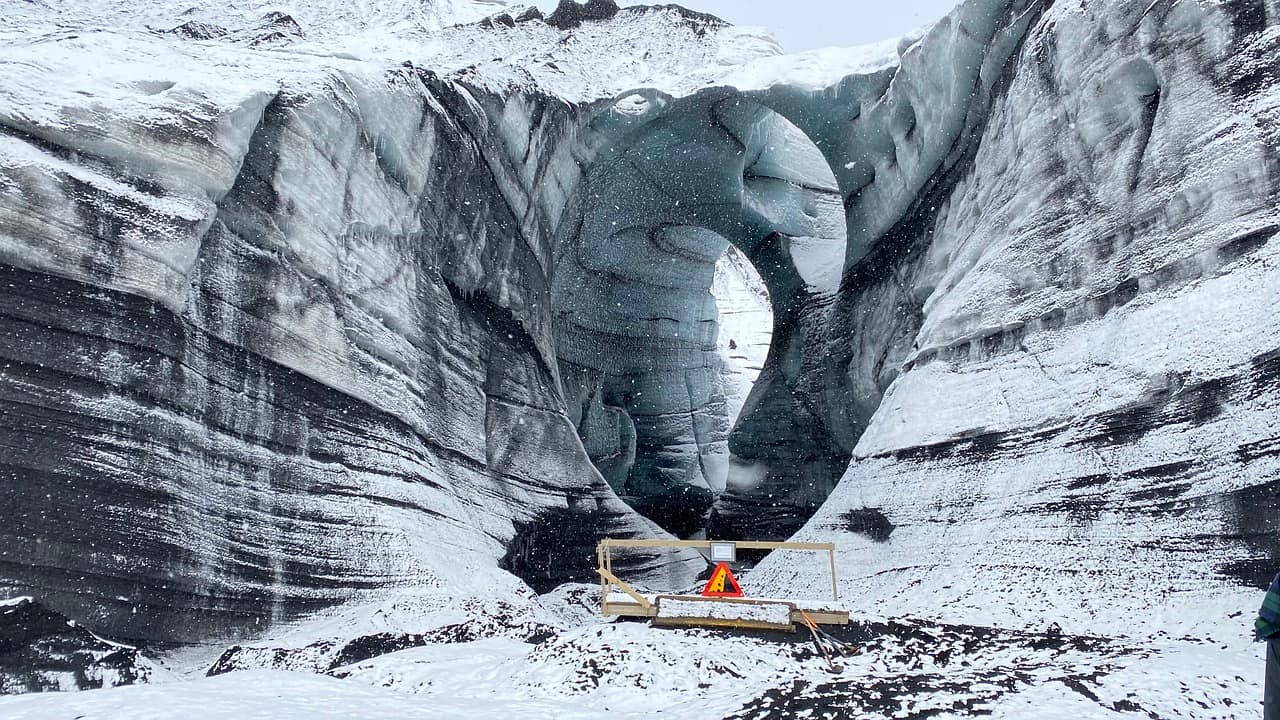
February is the last full month of the Vatnajökull crystal cave season (it typically winds down in March as melt resumes). The caves have been mapped and stabilized all winter; tours from Jökulsárlón run daily. If the blue caves are your trip’s anchor, do not push the booking later than this.
Northern Lights With Better Odds
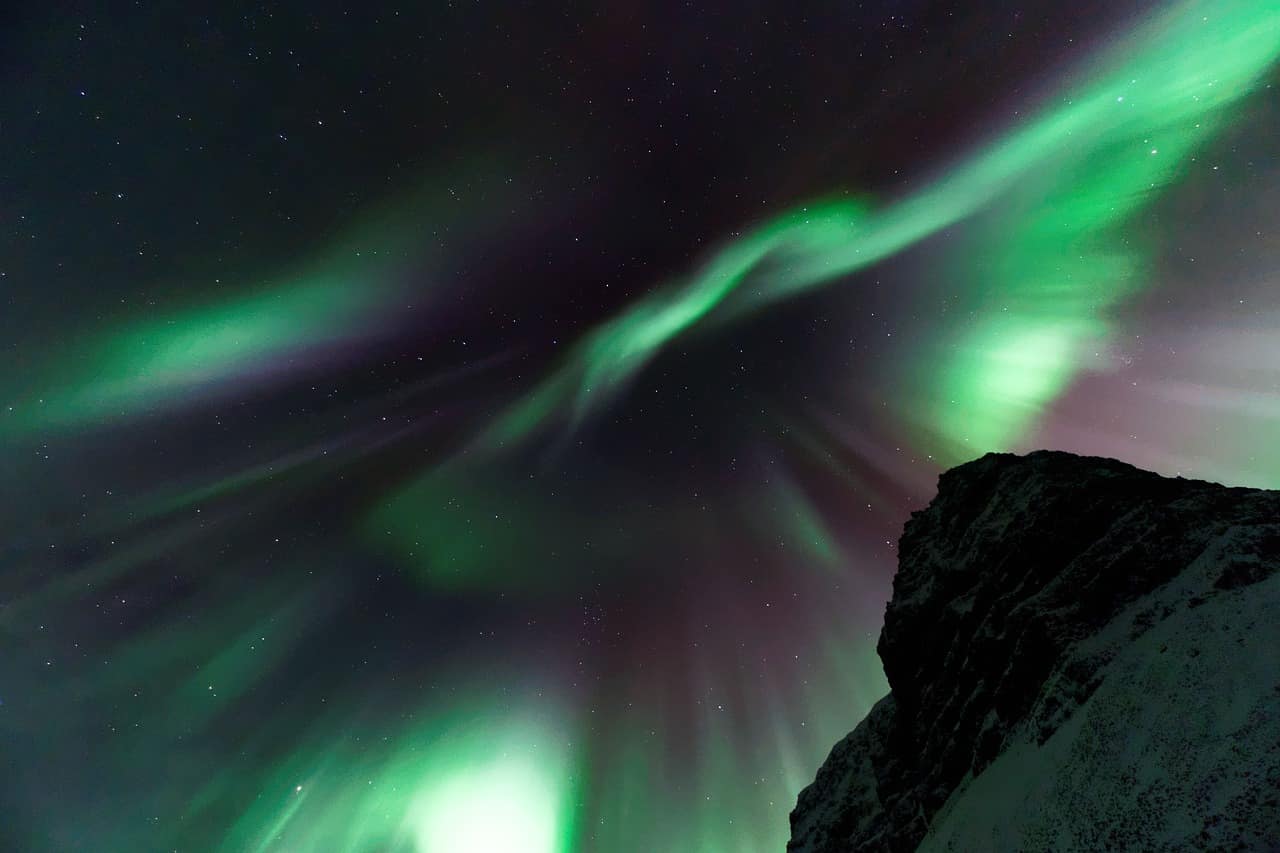
Around 14 to 16 hours of darkness, with cloud cover statistics that historically improve on midwinter. The aurora does not perform on demand, but February’s combination of long nights and steadier skies makes it one of the smartest hunting months on the calendar. Plan four nights minimum, watch vedur.is, drive to the dark.
The Winter Lights Festival
Early February, Reykjavík fights the dark with light: building facades become projection canvases, Museum Night opens collections late and free, and Pool Night keeps the geothermal pools open into the evening with music and steam. It is the capital’s most charming festival and it costs nothing.
Snow Sports North and South
Hlíðarfjall above Akureyri hits peak season with reliable cover and floodlit evenings, the Troll Peninsula’s heli ski operators begin their season late in the month, and Langjökull’s snowmobile track runs daily from the Golden Circle.
The Classic Routes, Winter Edition
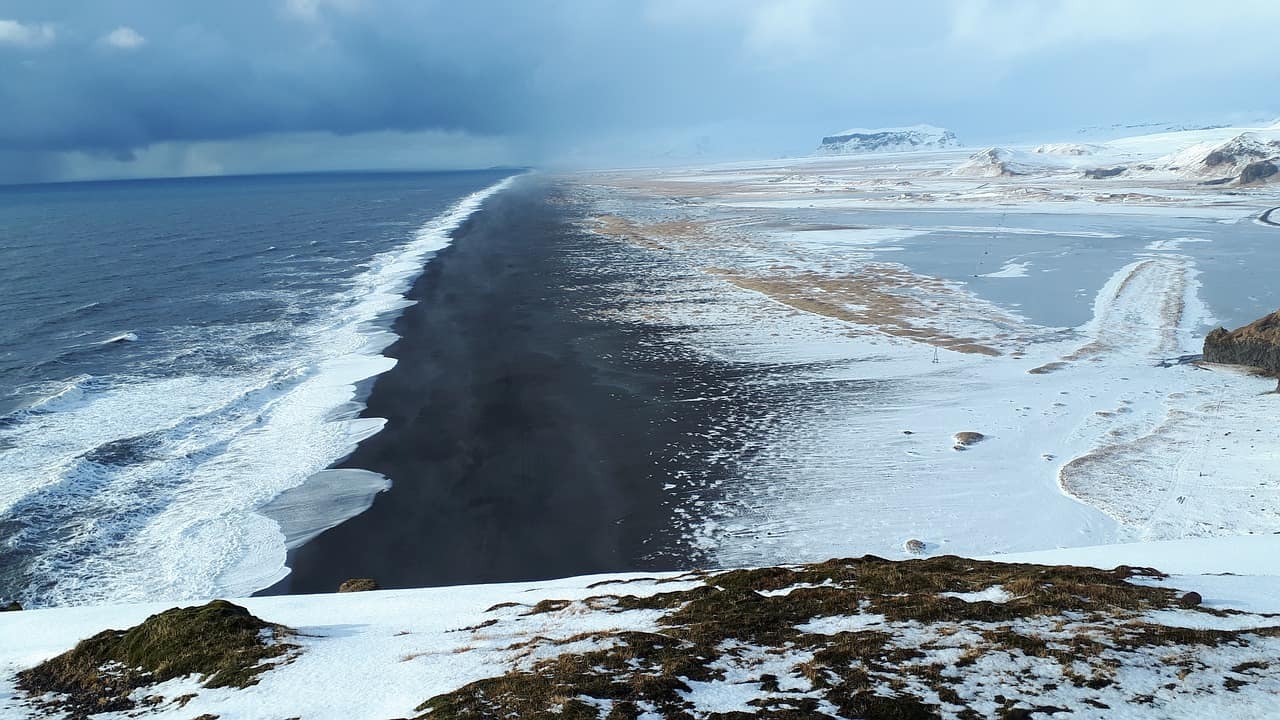
The Golden Circle and South Coast both run beautifully in February: Gullfoss half frozen, Strokkur erupting through clouds of steam, black beaches under snow. The extra daylight versus January makes a Jökulsárlón overnight realistic again for confident winter drivers.
Horses in the Snow
Icelandic horses grow extravagant winter coats and farms run rides year round. A February ride through white fields, tölting on a 1,000 year old breed, is a quietly perfect half day.
Eat Through the Tail of Þorri
The Þorrablót feast season continues into late February: fermented shark for the brave, smoked lamb and rye for everyone else, brennivín for both. Bolludagur (Cream Puff Day), Sprengidagur (salted meat and pea soup day), and Öskudagur (Iceland’s costumed Ash Wednesday, when children sing for sweets) land in February or early March depending on the year, a three day run of edible traditions.
Soak Strategically
Lagoon math in February: Sky Lagoon’s 5:30 pm sunset soak, Mývatn Nature Baths if you venture north (half the Blue Lagoon’s price, a tenth of its crowd), and the unbeatable feeling of a snowstorm watched from a 40 degree hot tub.
February Practicalities
The winter driving rules hold: 4WD, studded tires, road.is every morning, buffer days built in. Pack the full thermal kit plus swimwear. Valentine’s week books up the romantic hotels (northern lights and ice caves make a persuasive proposal backdrop, as the number of February engagements here attests); otherwise availability is generous.
Frequently Asked Questions
Is February a good month to visit Iceland?
One of the best winter choices: full ice cave and aurora season with more daylight and the Winter Lights Festival on top.
February or March for Iceland?
February for guaranteed deep winter and ice caves; March for more daylight and gentler conditions. Aurora odds are strong in both.
How cold is Iceland in February?
Reykjavík sits around 28 to 37°F (minus 2 to plus 3°C); the north runs several degrees colder. Wind chill is the real number that matters.