
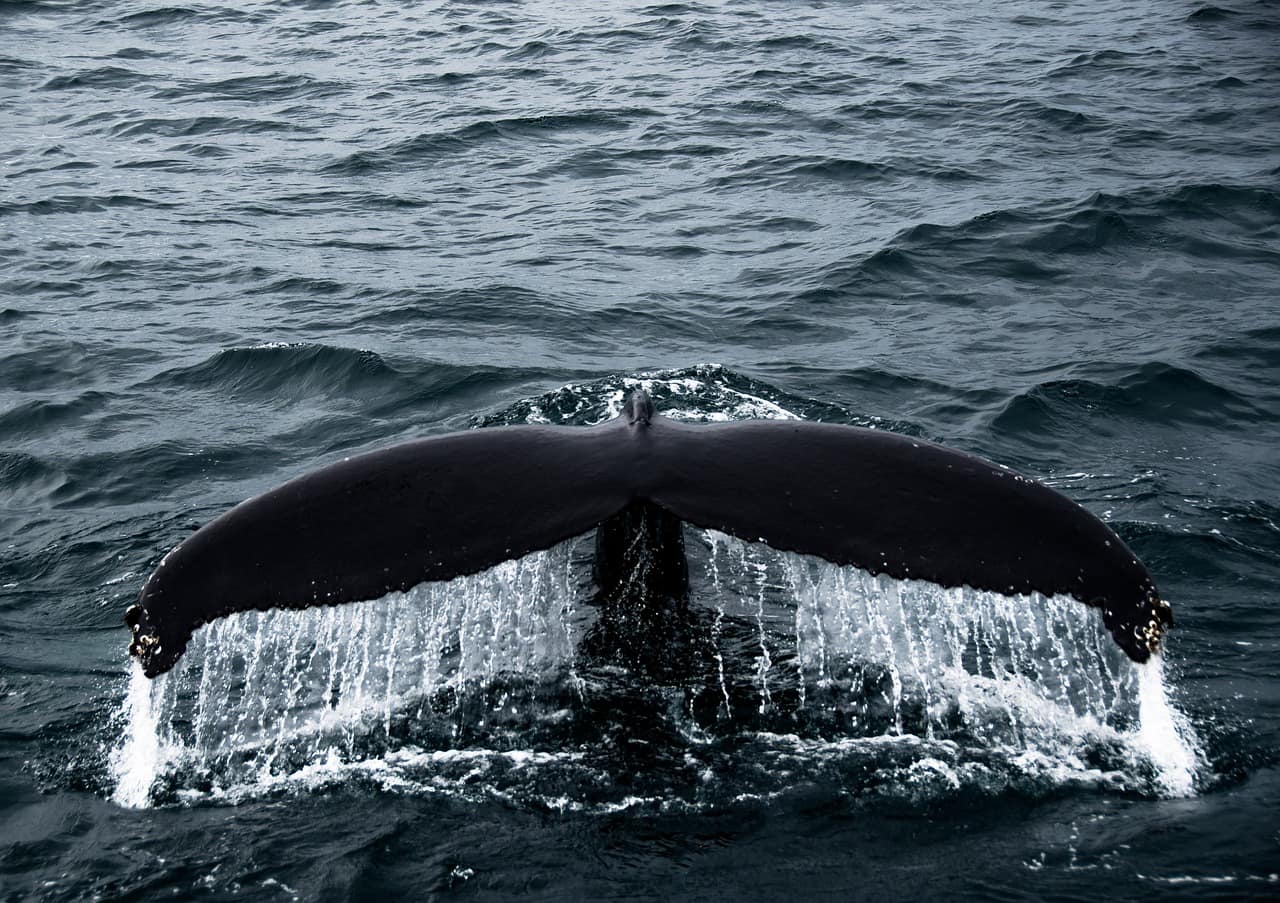
No Iceland holiday is complete without going on a whale watching tour. Primarily operating from Reykjavik, Akureyri and Husavik, you can find a wide range of whale watching tours that will definitely show you nature at its most majestic. You can also spot a lot of other marine wildlife, including puffins, seals and a wide range of birds. Below you can browse by number of days or category. To browse by location just click on the map to explore Iceland! Enjoy Iceland on your terms! Click on the different places on the map above to see available tours!
Live availability
Book tours with live availability
Browse Whale Watching Tours In Iceland
Most of Iceland's whale watching leaves from three harbors. Reykjavik's old harbor is the one you can walk to, and several operators sail from it year round. Akureyri and Husavik in the north work richer water, and Husavik on Skjalfandi bay has the strongest reputation for sightings. Nothing is promised: a calm morning can still end with one distant blow.
What You Are Likely to See
Minke whales and humpbacks are the two large species you have a real chance of meeting, and humpbacks are the ones most likely to breach. White beaked dolphins and harbor porpoises show up in pods and are often the liveliest part of the sailing. Blue whales feed in Skjalfandi bay in summer but are uncommon. Puffins are ashore at the nesting islands only from roughly May to August, which is when combined sailings make sense.
Where and When to Sail
| Port | Drive from Reykjavik | Season |
|---|---|---|
| Reykjavik old harbor | none | Year round |
| Akureyri | 240 miles (390 km) | Year round, best April to October |
| Husavik | 290 miles (470 km) | April to November |
The peak is June to August, with the longest days and calmest water; our Iceland in summer guide covers what else is open then. If you are driving north anyway, pair the boat with the rest of northern Iceland. Otherwise it is one of the shorter day tours from the capital.
Boats, Cost and What to Bring
Large vessels are slow and stable, with indoor seating and room to move, which matters with children or anyone who dislikes a swell. RIB boats are fast and low to the water, but wetter, much colder, and they carry a minimum age.
Sailings start from around 14,000 ISK (about $101 / EUR 93). North coast trips from Akureyri and Husavik run roughly 16,300 to 19,600 ISK (about $118 to $142 / EUR 109 to 131). Premium Reykjavik boats and RIB trips sit around 26,900 to 28,300 ISK (about $195 to $205 / EUR 179 to 189).
Dress for the deck, not the dock: windproof layer, hat and gloves, even in July. Take seasickness tablets 30 to 60 minutes before boarding, not once you feel it. Sightings are not guaranteed, and many operators offer a free repeat sailing rather than a refund, so book early in your stay and check the forecast on vedur.is the night before.
Frequently Asked Questions
Where is the best place to go whale watching in Iceland?
Husavik has the strongest reputation, because Skjalfandi bay is sheltered and rich in feed. Akureyri sits on Eyjafjordur and is easier to reach; Reykjavik wins on convenience rather than sightings.
What whales will I actually see?
Minke and humpback whales are the realistic large species, alongside white beaked dolphins and harbor porpoises. Blue whales appear in Skjalfandi bay in summer but are not common.
Can I see puffins on a whale watching trip?
Only from roughly May to August, when puffins are ashore at the colonies; outside those months they are at sea. In season, look for a combined whale and puffin sailing.
How do I avoid getting seasick?
Take tablets 30 to 60 minutes before departure, stay on deck and watch the horizon rather than your phone. If you are prone to it, choose a large vessel over a RIB.
Explore Iceland by region
Hover or tap a location to explore