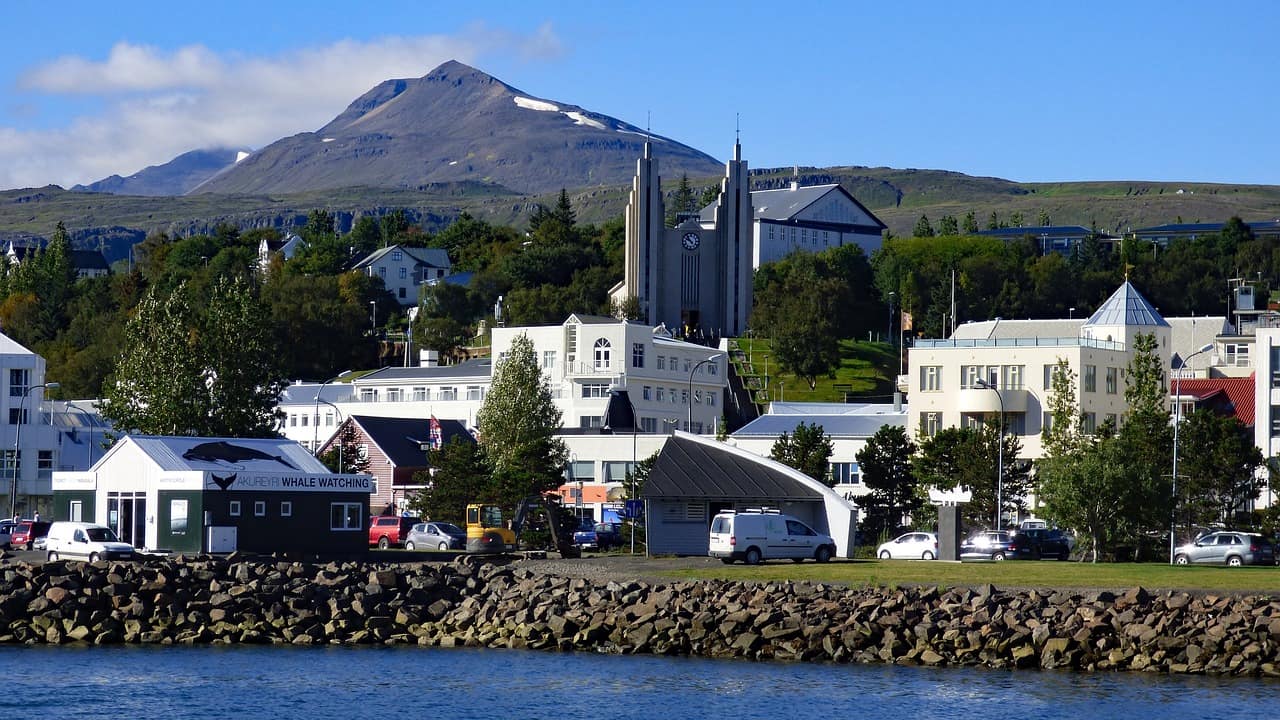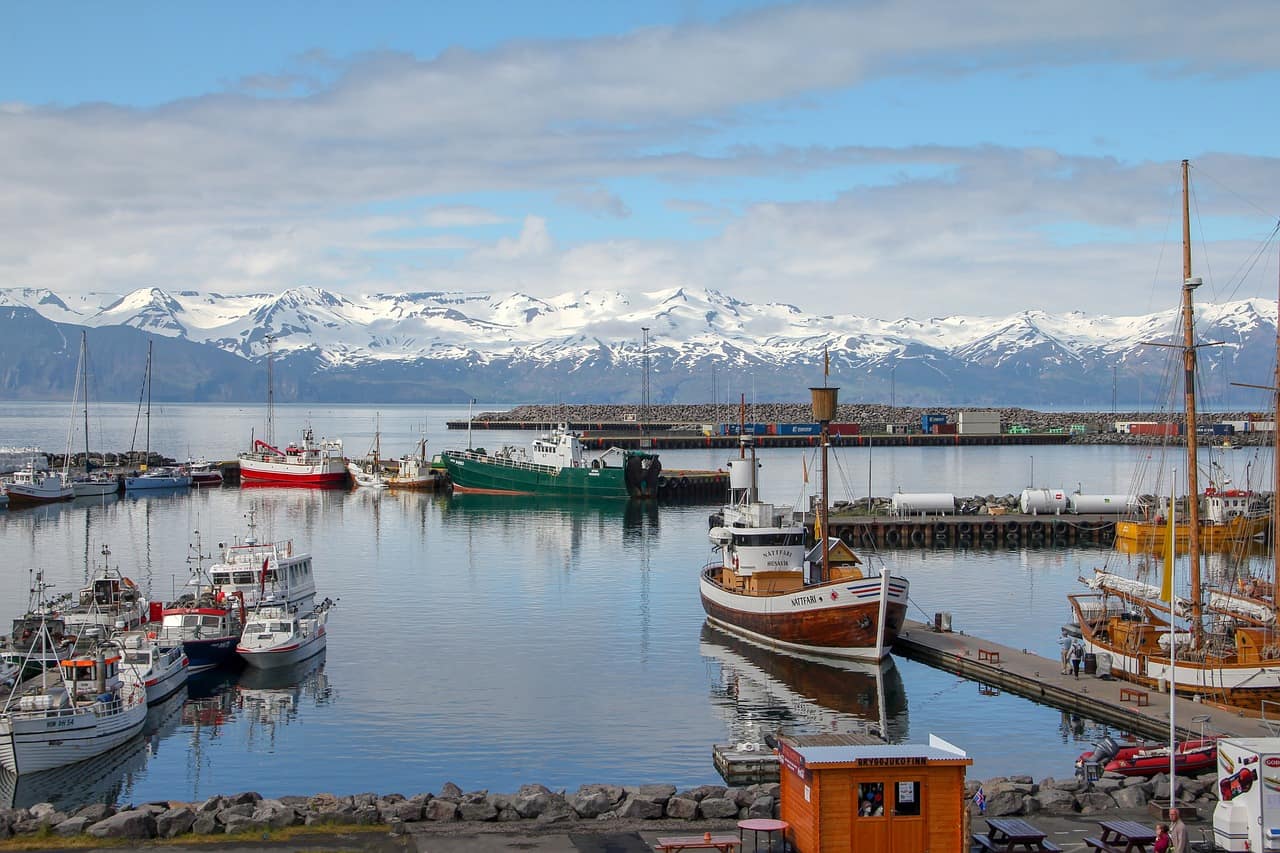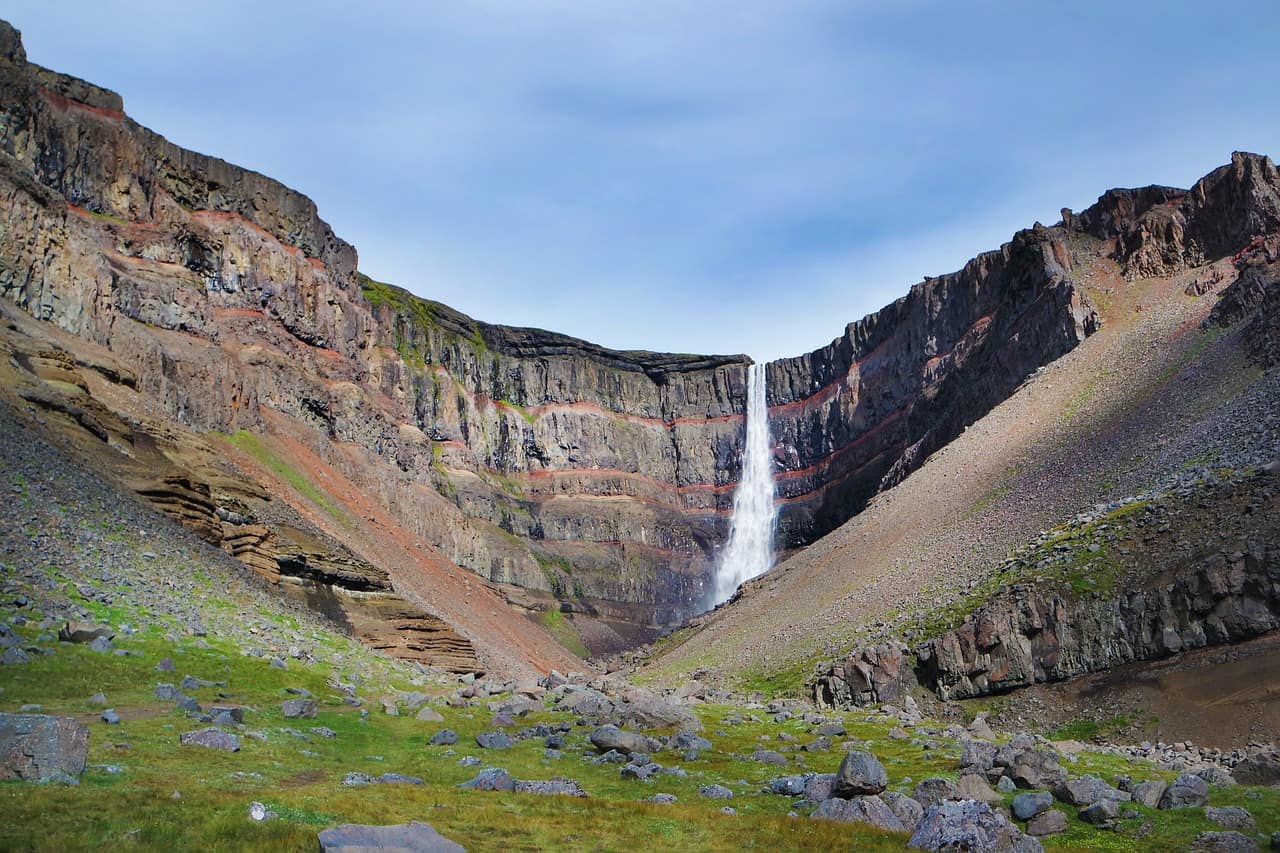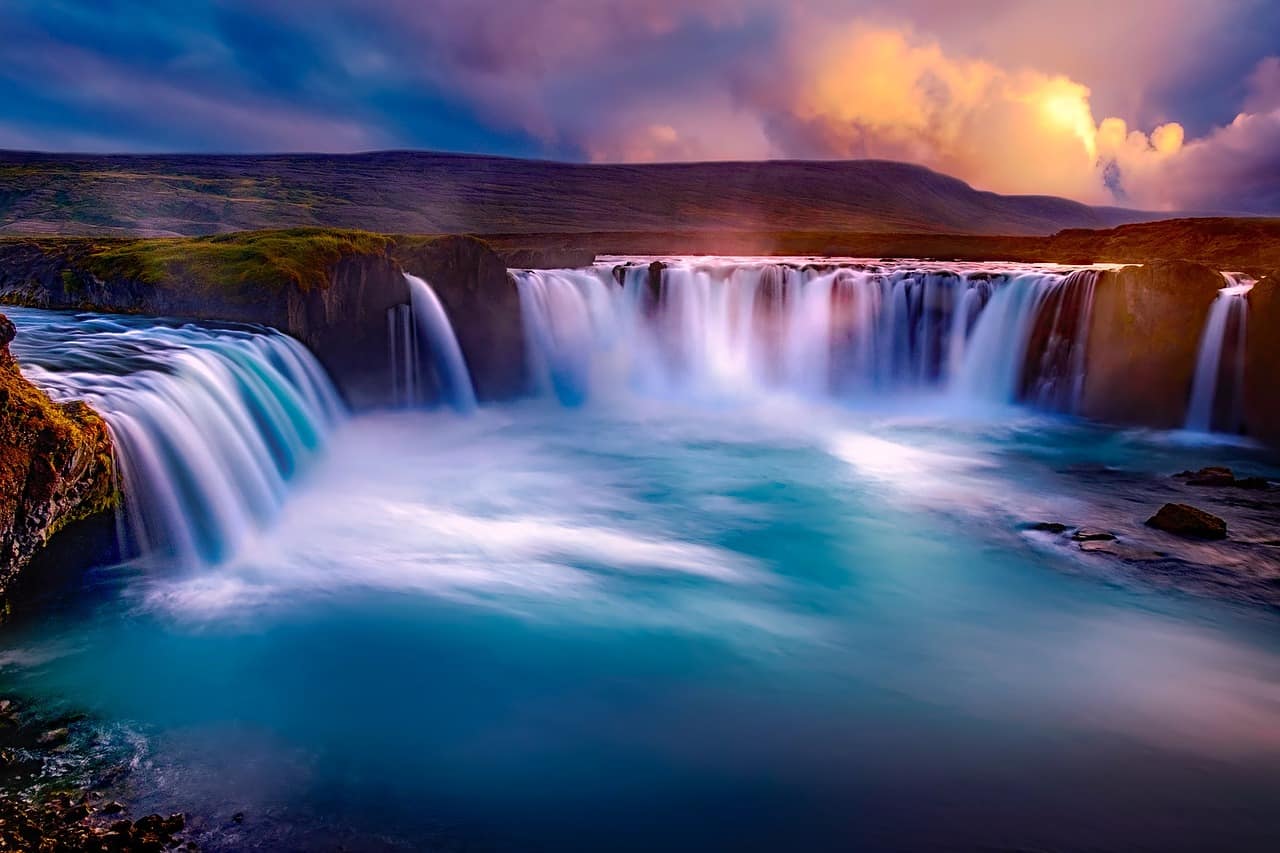
From Akureyri, the capital of the North, you can start exploring the many great places you cannot miss. In the summertime, the north is often the warmest part of Iceland with temperatures sometimes reaching 77-86**°F (25-30°**C). Why not take a road trip to Husavik or Myvatn? There are some great opportunities for whale watching in Akureyri and Husavik. In the winter time, Akureyri has the best ski resort in Iceland. Make sure to visit the waterfalls of Godafoss, Geitarfoss and Aldeyarfoss. Visit Myvatn Nature Baths for an experience similar to the Blue Lagoon. You will not be disappointed!
Live availability
Book tours with live availability
The Exotic North
Do not forget to give Akureyri the attention it deserves, with many beautiful buildings, museums, art galleries and great restaurants, you can easily get carried away, exploring the city center on foot or going for a swim in Iceland's most popular outdoor swimming pool.
Find out more about what tours and activities are available in the north of Iceland.
Things to Do in North Iceland: The Quieter Half of the Spectacle
North Iceland is the answer to a question more travelers should ask: where does the spectacle continue after the southern crowds end? The honest reply is an entire second Iceland: the whale capital of Europe, a volcanic lake district that looks borrowed from another planet, the continent’s most powerful waterfall, and a string of fjord towns where tourism still feels like visiting rather than queuing.
The Diamond Circle and Beyond
The north’s answer to the Golden Circle links five heavyweights in one 155 miles (250 kilometer) loop from Akureyri or Húsavík:
Goðafoss. The Waterfall of the Gods, where lawspeaker Þorgeir reputedly cast his pagan idols upon Iceland’s conversion in the year 1000. A perfect horseshoe, viewable from both banks, monumental in winter white.
Lake Mývatn. A shallow volcanic lake of pseudocraters and absurd birdlife (Europe’s richest duck waters) surrounded by a greatest hits of geology: the black lava labyrinth of Dimmuborgir, the steaming orange slopes of Hverir, the Krafla caldera and its Víti crater, and the Grjótagjá rift cave of thermal water and television fame. Allow a full day; it earns it.
Mývatn Nature Baths. The north’s Blue Lagoon at roughly half the price and a tenth of the queue: milky blue geothermal water with a caldera view, perfectly placed after a day among the vents.
Dettifoss. Europe’s most powerful waterfall: 328 feet (100 meters) wide, 148 feet (45 meters) down, half a ton of glacial grey water per second per meter of width. You feel it in the ground before you see it. Its photogenic neighbor Selfoss waits a kilometer upstream.
Ásbyrgi. The horseshoe canyon that legend names a hoofprint of Odin’s eight legged horse Sleipnir: sheer 328 feet (100 meter) walls around a birch forest sanctuary, with easy family trails inside.
Whales, Towns, and Islands
Húsavík is the whale watching capital of Iceland, with humpbacks on the vast majority of summer sailings into Skjálfandi Bay, oak boats and silent electric schooners to choose from, the excellent Whale Museum, and the GeoSea baths cantilevered over the sea cliff. Our dedicated Húsavík guide covers the town in full.
Akureyri, the capital of the north, anchors everything: botanical garden, fjord side café culture, Hlíðarfjall skiing in winter, and the region’s flight and rental hub. See our complete Akureyri guide.
Siglufjörður, the herring boom town turned charmer at the Troll Peninsula’s tip, holds the award winning Herring Era Museum and the north’s most dramatic road approach.
Grímsey, by ferry from Dalvík, is Iceland’s only true Arctic territory: cross the circle, collect the certificate, share the island with a hundred thousand seabirds.
The Arctic Coast Way, a signed 559 miles (900 kilometer) route along the entire northern shore, strings together the peninsulas most itineraries skip: Vatnsnes (seals and the Hvítserkur sea stack), Skagafjörður (horse country and river rafting’s big water), and Tjörnes (puffin cliffs without crowds).
The Northern Advantages
Winter in the north means drier, colder, statistically clearer skies: aurora odds improve, and Hlíðarfjall delivers Iceland’s most reliable skiing. Summer brings the midnight sun at its most extreme (the sun barely dips at Grímsey) and whale activity at its peak. Year round, the north’s crowd mathematics remain its quiet superpower: Dettifoss on an August morning hosts fewer people than Gullfoss does at dawn.
Frequently Asked Questions
How many days do you need in North Iceland?
Three days covers Akureyri, the Diamond Circle, and Húsavík well; five lets the peninsulas breathe.
Is North Iceland worth it on a first trip?
With seven or more days in the country, emphatically yes. The flight to Akureyri (45 minutes) makes a southern plus northern split easy even without the full Ring Road.
When is the best time for North Iceland?
June to September for whales and full access; February to April for ski plus aurora combinations under clearer northern skies.
Explore Iceland by region
Hover or tap a location to explore