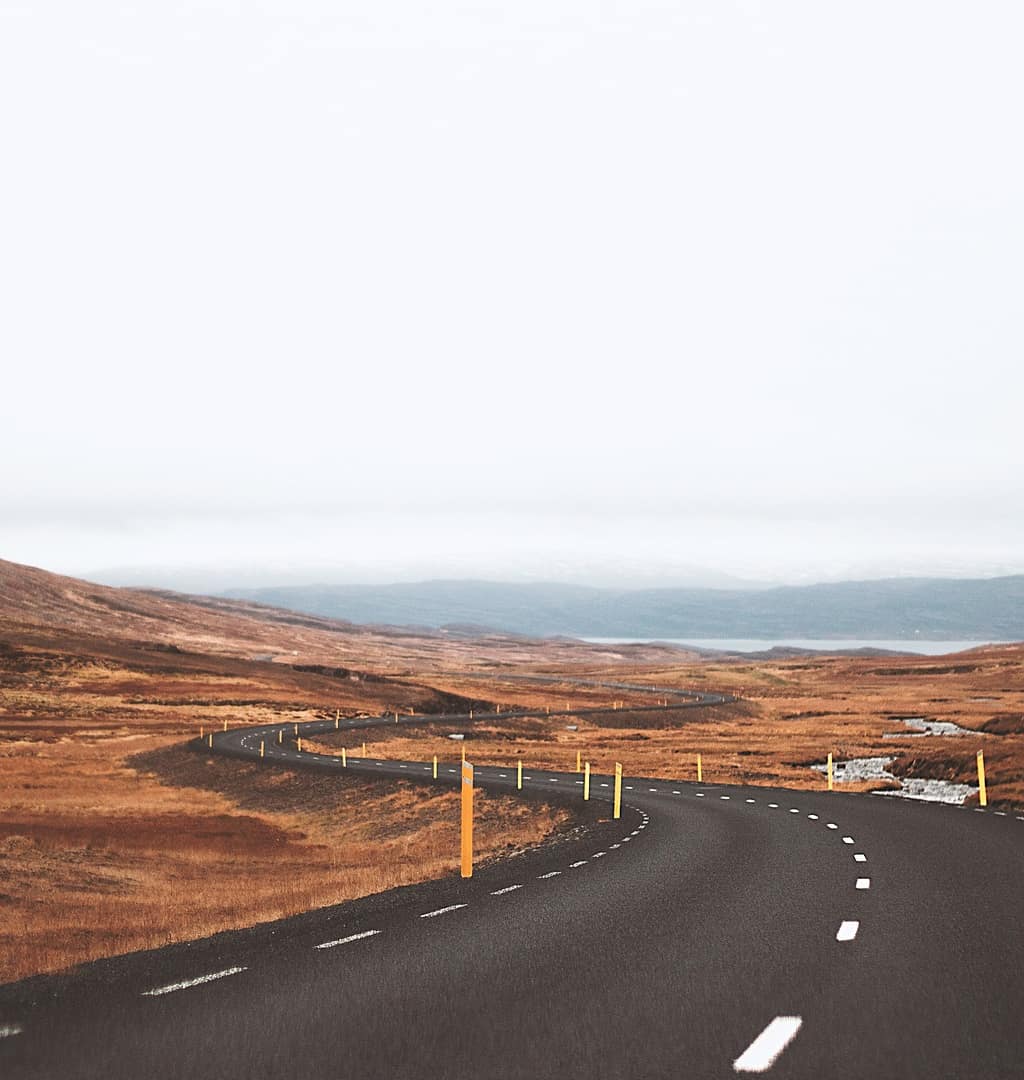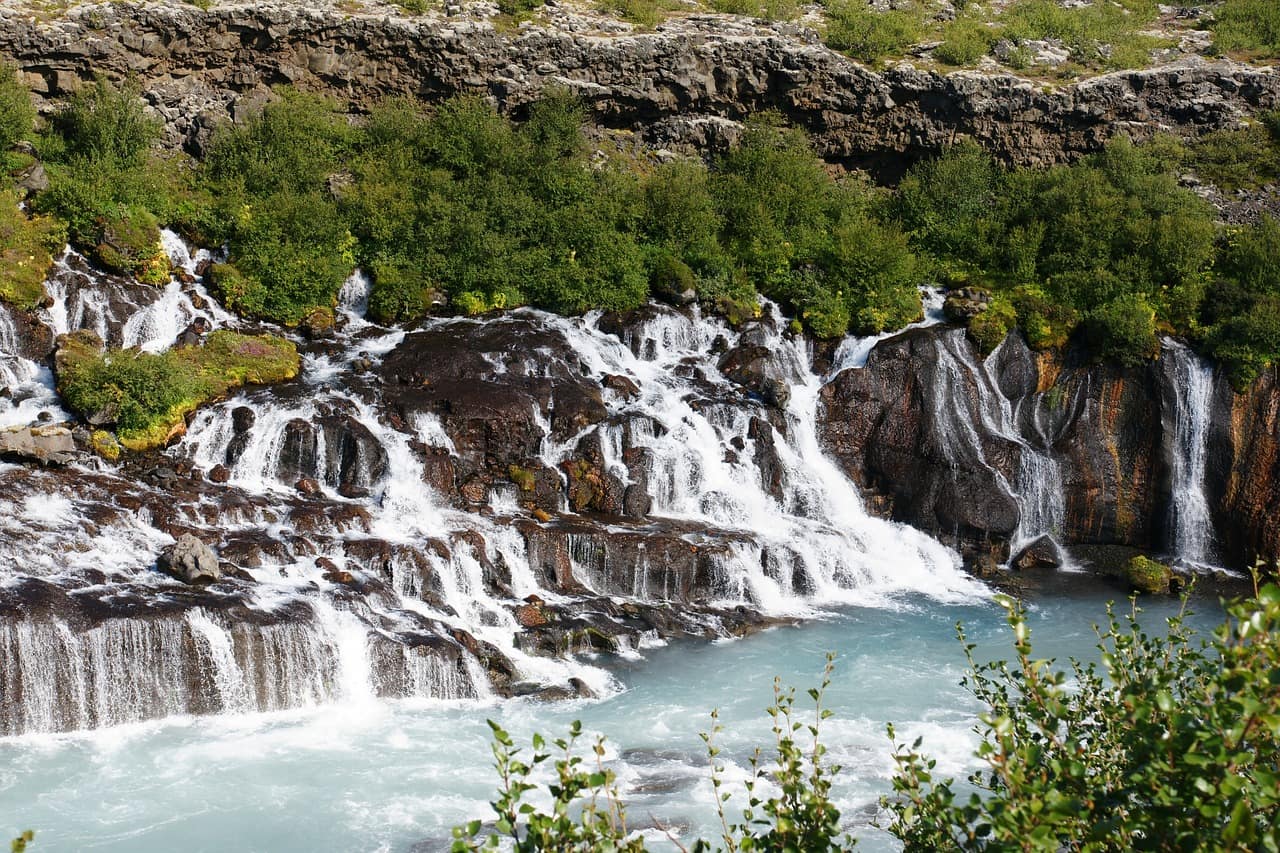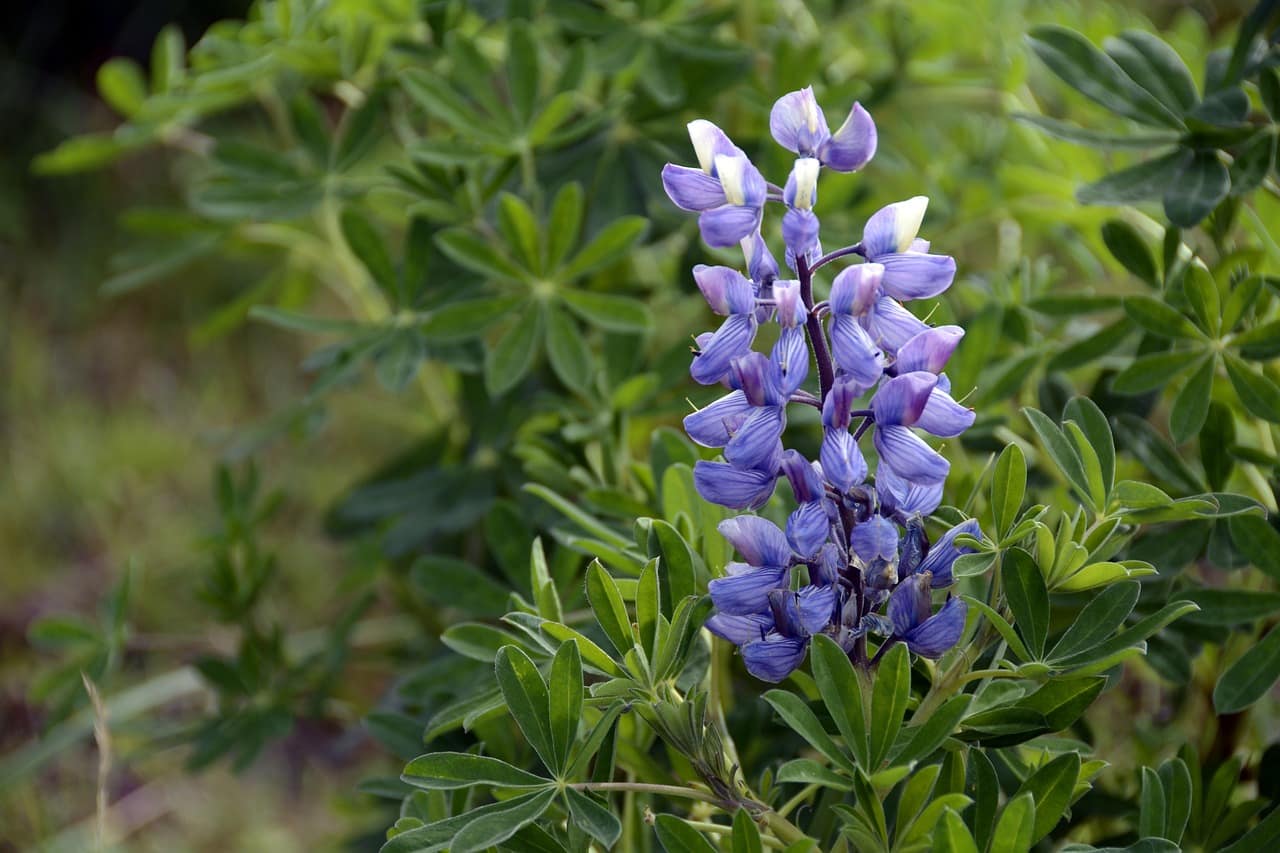
Often overlooked due to the distance from Reykjavik, the Westfjords possess a magical landscape and dramatic scenery filled with rugged terrain. For those of you seeking something different and remote, the Westfjords offer Iceland at its core. The biggest town in the area is Isafjordur, which is reason alone to visit these parts of the country. If you do not feel like driving there, you can fly with Icelandair from their domestic terminal in Reykjavik. Isafjordur is known for being creative and has several museums and even a popular music festival. It is a great base for exploring some of the towns nearby and not to forget the nature reserve of Hornstrandir, where you can go on a hike you will not forget.
Live availability
Book tours with live availability
Adventures In The Wild Wild Westfjords
See what tours and activities are available in the Westfjords by browsing below.
Things to Do in the Westfjords: Iceland’s Last Great Solitude
The Westfjords are what Iceland was before the world arrived. The great northwestern claw holds about 7,000 people, a road network that surrendered to geography, and scenery that out-dramatizes the famous south while hosting a small fraction of its visitors. Lonely Planet and its peers keep “discovering” the region; the fjords absorb the praise and stay empty. Getting here costs effort. The effort is the filter, and the filter is the point.
The Non-Negotiables
Dynjandi. The Westfjords’ cathedral: a 328 feet (100 meter) bridal veil widening as it falls, with six smaller falls stacked beneath it on the short climb. Many well traveled visitors call it the best waterfall in Iceland, and the argument is strong. The thunder names it: Dynjandi means “the thundering one.”
Látrabjarg. Europe’s greatest bird cliff and the westernmost point of the continent’s mainland reach: 8.7 miles (14 kilometers) long, up to 1,444 feet (440 meters) high, loaded each summer with puffins, razorbills (the largest colony on Earth), and guillemots. The puffins here, oddly unafraid, pose within arm’s length along the clifftop path. Stay behind the edge line without exception; the turf overhangs.
Rauðisandur. Ten kilometers of red gold sand in a country of black beaches, shifting color with light and tide, with seals in the lagoon and the tiny black Saurbæjarkirkja church for scale. The hairpin gravel descent to reach it is part of the initiation.
Ísafjörður. The regional capital in its improbable fjord amphitheater: old timber merchant houses, a genuinely good food scene for 2,700 people, kayaking on the still water, and the gateway to everything wilder. Our dedicated Ísafjörður guide covers the town.
Hornstrandir. The uninhabited nature reserve at Iceland’s extreme northwest: no roads, no shops, summer boat access from Ísafjörður, hiking among arctic foxes (protected here and famously curious) beneath the colossal Hornbjarg cliff. Day trips touch it; multi day treks belong among the country’s greatest experiences.
The Connoisseur’s List
The hot pots. The Westfjords are Iceland’s natural bathing capital: Hellulaug’s free stone pool by the shore at Flókalundur, Pollurinn’s tubs above Tálknafjörður, Reykjafjarðarlaug’s pool and natural pot pairing, and Krossneslaug in the far Strandir, a heated pool on a wild ocean beach at what feels like the world’s edge.
The Strandir coast. The eastern shore, remotest of all: the sorcery museum at Hólmavík (the region’s witch hunting history told straight, necropants included), Djúpavík’s hauntingly photogenic abandoned herring factory and its art exhibitions, and road’s end at Norðurfjörður.
The Arctic Fox Centre at Súðavík, dedicated to Iceland’s only native land mammal, and Ósvör, the reconstructed rowing era fishing station at Bolungarvík, staffed by a guide in full skin gear.
Garðar BA 64, Iceland’s oldest steel ship, beached and rusting photogenically at Patreksfjörður’s shore since 1981.
Selárdalur, the outsider art farm of Samúel Jónsson, “the artist with the child’s heart,” at the end of a remote valley: concrete lions, a church he built when the parish refused his altarpiece, and the purest expression of Westfjords stubbornness.
The Practical Truth
Distances deceive: fjord roads turn 50 straight kilometers into 150 driven ones. Give the region three days minimum (Ísafjörður north plus the Látrabjarg south loop), five for honesty. The season is June through September; many gravel sections and the Strandir keep snow late and regain it early, and winter travel here is for the experienced or the flown (daily flights serve Ísafjörður). The Baldur ferry from Stykkishólmur across Breiðafjörður shortcuts the southern approach and pairs the region naturally with Snæfellsnes. Fill fuel at every opportunity; the gaps are real.
Frequently Asked Questions
Are the Westfjords worth the drive?
For travelers with seven plus days who value solitude with their spectacle, the Westfjords are routinely the trip’s retrospective highlight.
When can you visit the Westfjords?
Comfortably June to September. Shoulder months work for the south coast loop; deep winter belongs to flights and locals.
Do you need 4WD in the Westfjords?
Summer: a 2WD manages the main routes, but gravel comfort and clearance argue for 4WD. The Rauðisandur descent and Strandir reward it.
Explore Iceland by region
Hover or tap a location to explore