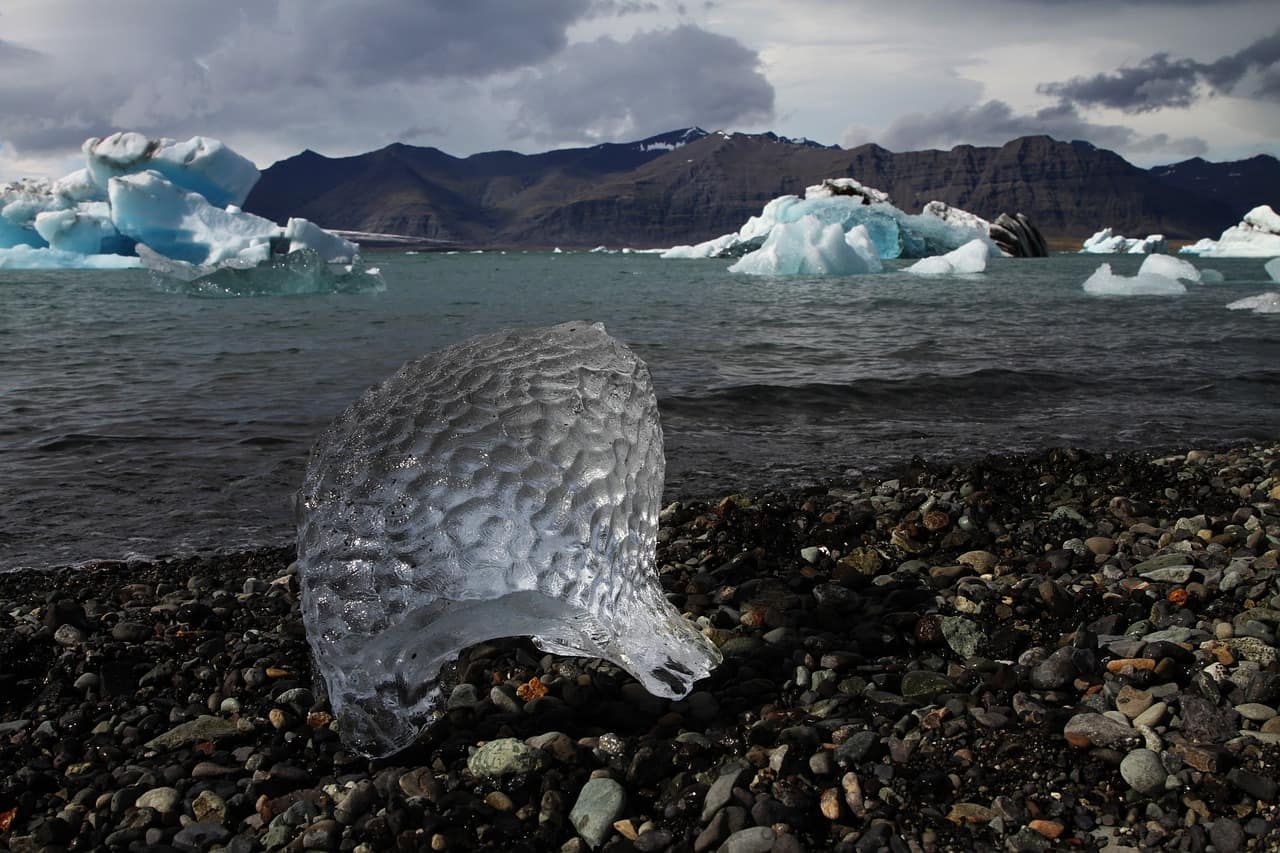
No Iceland visit is complete without visiting the Glacier Lagoon (Jökulsárlón) at Vatnajökull, the largest glacier in Europe. Nature in and around this area is extreme to say the least, and in 2004 and 2011 there was a volcanic eruption underneath Vatnajökull glacier in Grímsvötn. Following those eruptions millions of cubic tonnes of water flowed down from the glacier, taking everything in its path with it to the ocean. Therefore you will see vast landscapes of sand in these parts of the country. The beauty of the Glacier Lagoon will surely mesmerize you. You will also find the town of Höfn, which is situated around an hour east of the Glacier Lagoon.
Live availability
Book tours with live availability
The Glacier Lagoon
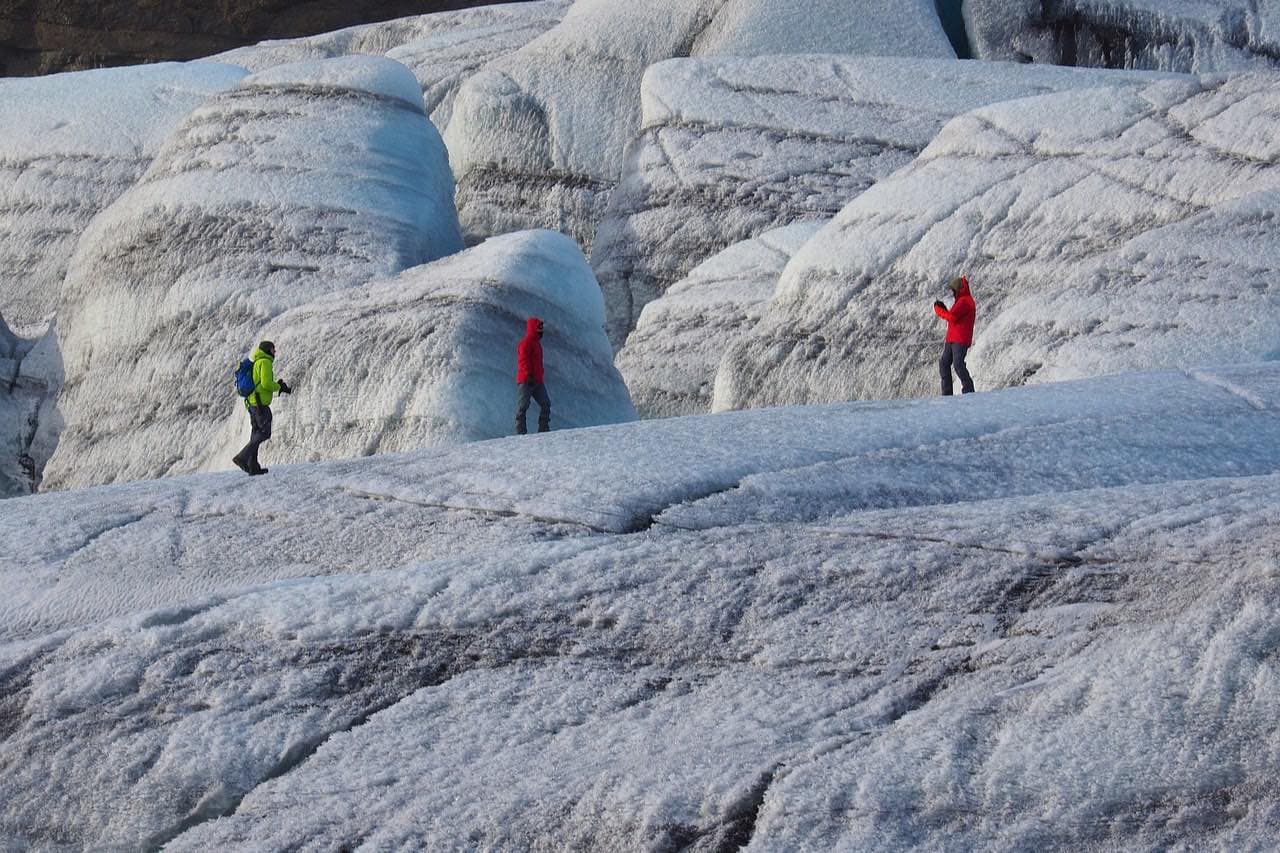
Find out what tours are available in the area, and do not miss out on a glacier lagoon tour or an ice cave tour, that brings you up close to the glacier.
Jökulsárlón sits about 235 miles (378 km) from Reykjavik, and that distance shapes how you plan the region. The lagoon, the Diamond Beach opposite it, Fjallsárlón, Skaftafell and Höfn all line one stretch of Route 1 beyond where the south coast ends at Vík. You can do it in a day, but you will do it better sleeping out here.
What Is Actually Out There
Jökulsárlón is a lagoon of icebergs calving off an outlet of Vatnajökull, Europe's largest glacier by volume and about 8 percent of Iceland's surface. The bergs drift to sea and wash back onto the Diamond Beach across the road, open at any hour though parking is charged. Fjallsárlón, a few minutes west, is smaller and closer to the ice. Skaftafell, in Vatnajökull National Park, is the walking hub: a marked trail climbs to Svartifoss, a waterfall over hanging basalt columns, and the Skaftafellsjökull tongue is a flat walk from the same car park. Höfn, an hour east, is a harbor town known for langoustine and the gateway to east Iceland. The flat black plains you cross are flood deposits from eruptions under the ice, Grímsvötn among them.
Day Trip or Overnight
| Approach | Time cost | Suits |
|---|---|---|
| Day tour from Reykjavik | About 14 hours | One spare day, no car |
| A night or two locally | 5 hours each way, split | The lagoon at first light |
| Guided multi day trip | 3 days and up | Winter, or no driving |
A bed between Skaftafell and Höfn buys you the lagoon before the day tours arrive.
When to Go
Natural blue ice caves form inside Vatnajökull in winter, roughly mid November to mid March, with no summer substitute. Read Iceland in winter before you book. Summer brings light until midnight, the Skaftafell trails at their best, and guided glacier and ice cave tours on the outlet glaciers.
What It Costs and What to Bring
A day tour from Reykjavik to the lagoon runs around 31,300 ISK (about $227 / EUR 209). Guided glacier hikes start around 16,500 ISK (about $120 / EUR 110), crampons, helmet and harness included. Three day guided trips start around 134,000 ISK (about $970 / EUR 893) per person, usually with accommodation. Bring a waterproof shell and warm layers whatever the month: wind off the ice cuts most visits short.
Frequently Asked Questions
How far is Jökulsárlón from Reykjavik?
About 235 miles (378 km) each way on Route 1, close to five hours of driving before you stop. A day tour runs about 14 hours.
When do the blue ice caves form?
A winter feature, roughly mid November to mid March, when the cold keeps them stable and meltwater is low. Summer trips visit ice tunnels or the Katla cave further west.
Where should you base yourself?
Anywhere between Skaftafell and Höfn puts you within an hour of the lagoon. Rooms are limited, so book early.
Can you drive it yourself in winter?
Yes, it is paved the whole way, but plan short days and check road.is and vedur.is each morning. Wind and drifting snow close this stretch at short notice, and December gives about four hours of daylight.
Explore Iceland by region
Hover or tap a location to explore