
Here is the open secret about the most expensive country in the Nordics: almost everything that makes Iceland worth visiting is free. The waterfalls do not charge admission. The beaches have no gate. The northern lights have never issued an invoice. Your money disappears into food, fuel, lodging, and tours; the landscape itself costs nothing but parking.
This guide collects the best free experiences in the country, plus the budget tactics locals actually use.
The Free Icons
- Every major waterfall. Gullfoss, Seljalandsfoss, Skógafoss, Goðafoss, Dettifoss, Dynjandi: all free, all world class. Parking fees of about 750 to 1,000 ISK (about $7 / €7) apply at the famous ones.
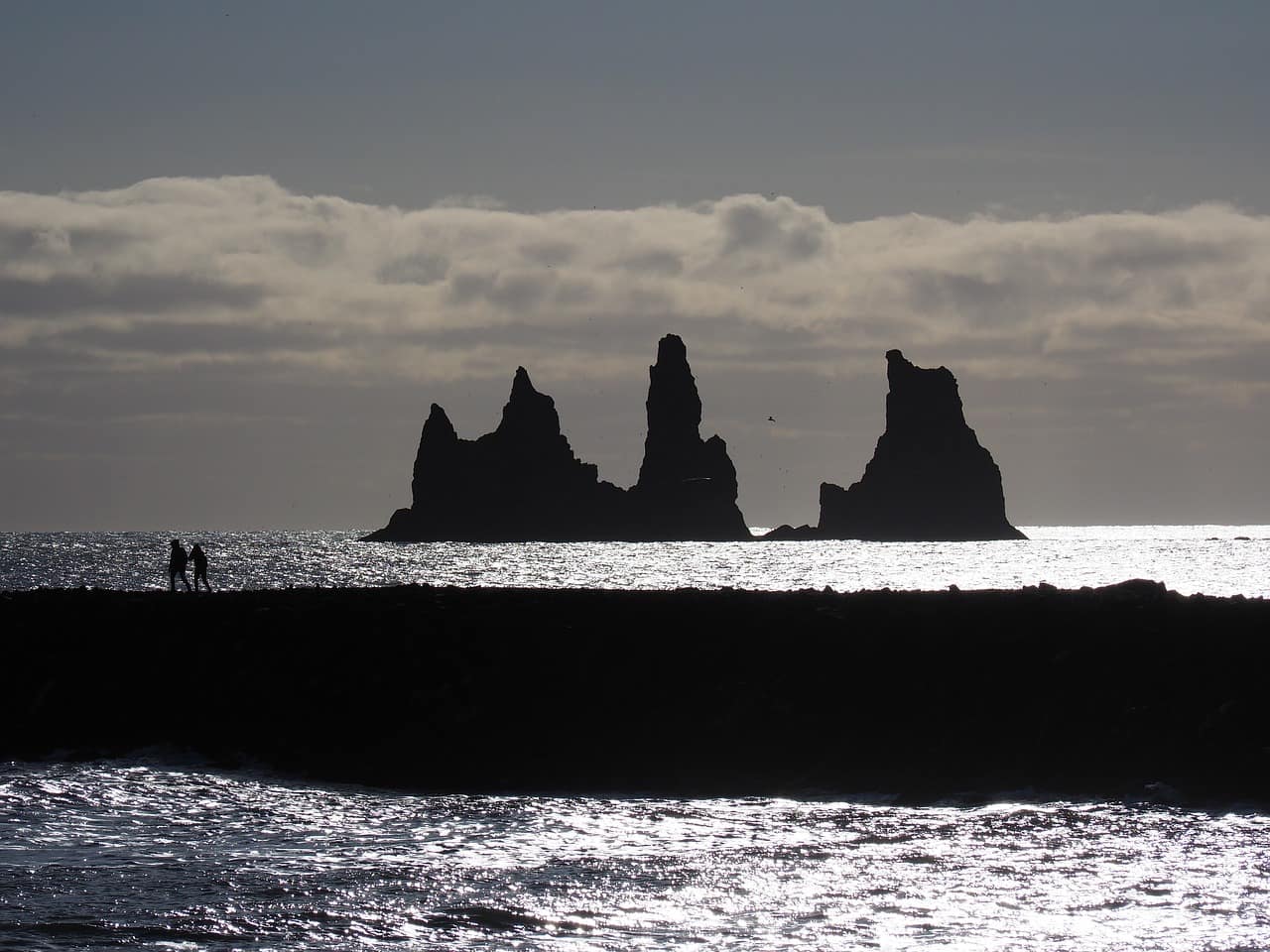
- Reynisfjara and every black sand beach. The basalt columns and sea stacks near Vík cost nothing. Neither does Diamond Beach at Jökulsárlón, where icebergs glitter on the sand.
- Þingvellir National Park. Walking the rift between continents at a UNESCO site: free (parking around 1,000 ISK (about $7 / €7)).
- The Geysir area. Strokkur erupts every few minutes for an audience that paid nothing.
- The northern lights. September to mid April, on clear dark nights, the greatest light show on Earth is free to anyone willing to drive ten minutes out of town.
- The midnight sun. June’s 3 am golden hour costs exactly as much.
Free Nature Beyond the Icons
- Hike to Glymur, Iceland’s second tallest waterfall, on a half day trail with a river crossing (summer).
- Reykjadalur hot river. A 45 minute hike from Hveragerði ends at a geothermal river you bathe in for free. Bring a towel and leave no trace.
- Kirkjufell and the entire Snæfellsnes coastline. The most photographed mountain in Iceland charges no fee.
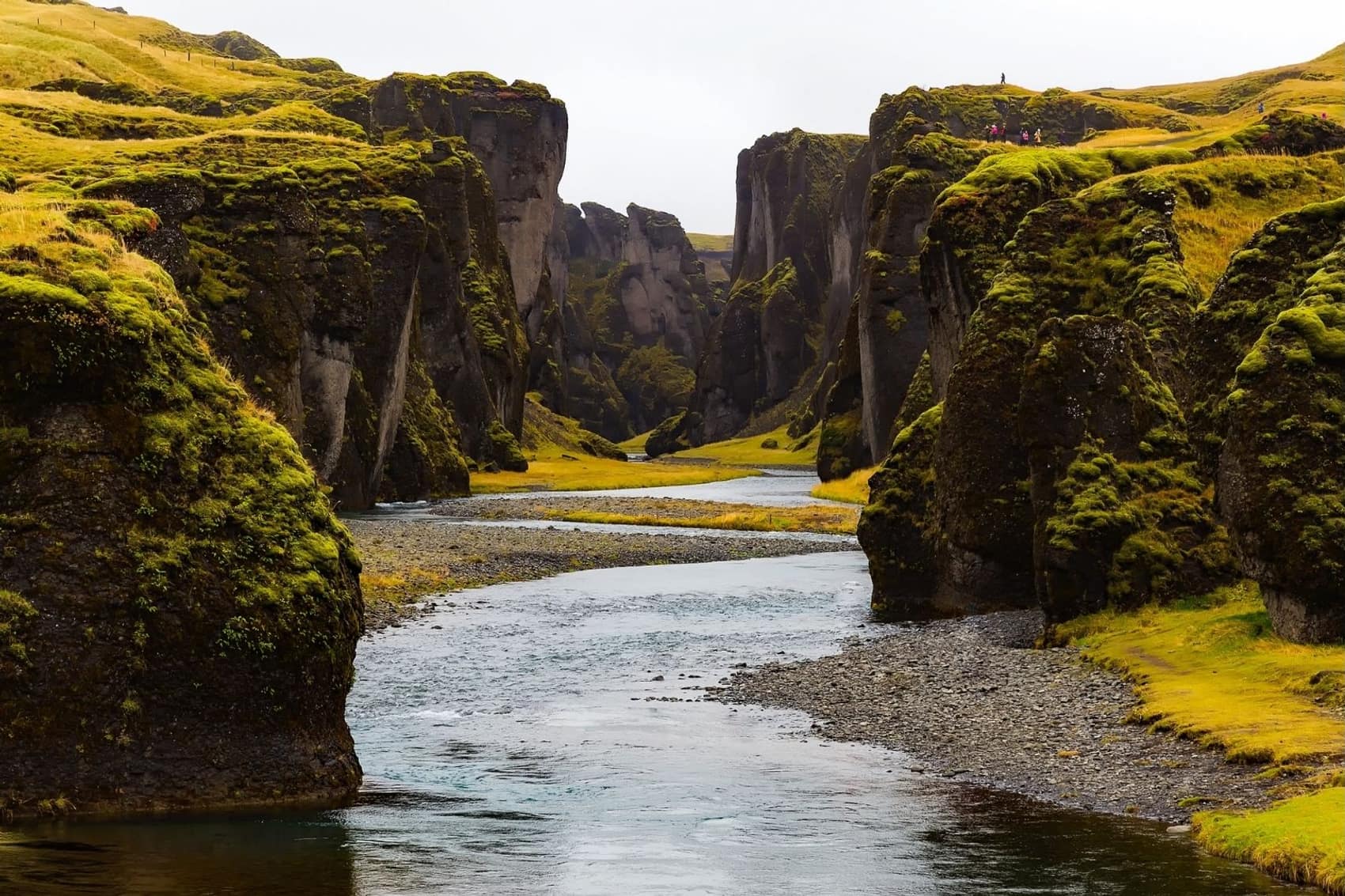
- Fjaðrárgljúfur canyon, the mossy serpentine gorge east of Vík.
- Seltún and Gunnuhver geothermal areas on Reykjanes: boiling mud, steaming vents, zero admission.
- Wild beach combing at Rauðisandur, the Westfjords’ improbable red sand beach.
Free Reykjavík
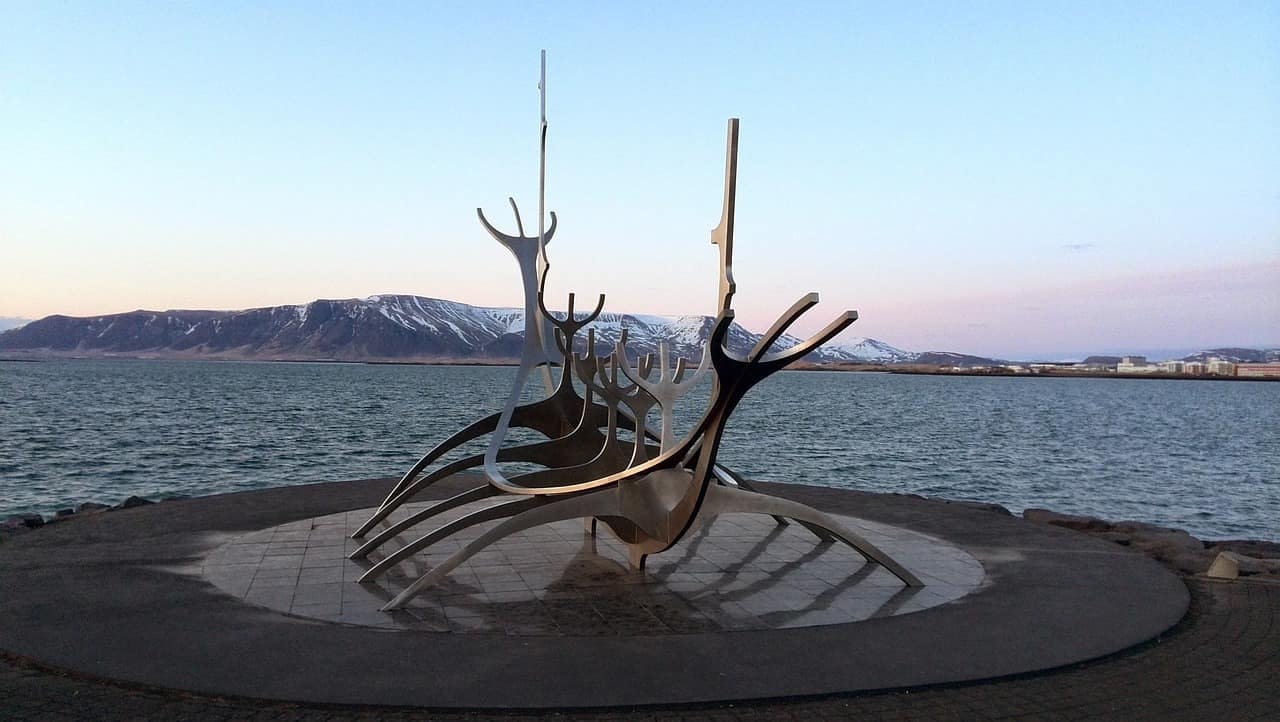
- Hallgrímskirkja’s nave (the tower costs, the church does not), Harpa’s glass foyer, and the Sun Voyager.
- The Grótta lighthouse walk at low tide, with a tiny free geothermal foot bath (Kvika) in the rocks.
- City street art and the Old Harbour, especially the Grandi district.
- Tjörnin pond, the city hall’s free exhibitions, and Austurvöllur square’s people watching.
- Free museum days: Reykjavík Art Museum and the National Museum run free admission on specific days; check current schedules.
Free Culture
- Hot pot etiquette tourism. Entry to municipal pools is not free (about 1,400 ISK (about $10 / €9)) but several natural hot pots scattered around the country are: Hellulaug in the Westfjords, Fosslaug by a waterfall in the north. Treat them gently; they survive on trust.
- Réttir, the September sheep roundups, where visitors are welcome to watch (and sometimes help) farms sort thousands of sheep.
- The festivals: Reykjavík Culture Night in August, Winter Lights in February, and Seafarers’ Day in June are all free city wide events.
Budget Tactics That Actually Matter
Skip bottled water forever; the tap is glacier fed. Buy groceries at Bónus or Krónan, not the 10-11 convenience chain. Book accommodation with kitchen access and cook half your meals. Travel in shoulder season (May, September, October) when rooms cost 30 to 40 percent less. Fill fuel at unmanned Orkan or ÓB pumps. And remember the cheapest meal in Iceland remains the famous hot dog at around 700 ISK (about $5 / €5).
Frequently Asked Questions
Is anything in Icelandic nature not free?
A handful of privately managed sites charge entry or premium parking (Kerið crater, around 600 ISK (about $4 / €4), is the known example). The overwhelming majority of natural sights charge only parking, if that.
How much should I budget per day in Iceland?
A careful traveler with a rental car, guesthouse lodging, and self catering can manage on 20,000 to 30,000 ISK (about $220 / €200) per day for two people, excluding tours.
Are the free hot springs legal to use?
The established ones, yes. Always respect signage, private land, and the leave no trace rule; several beloved pots have closed because visitors did not.