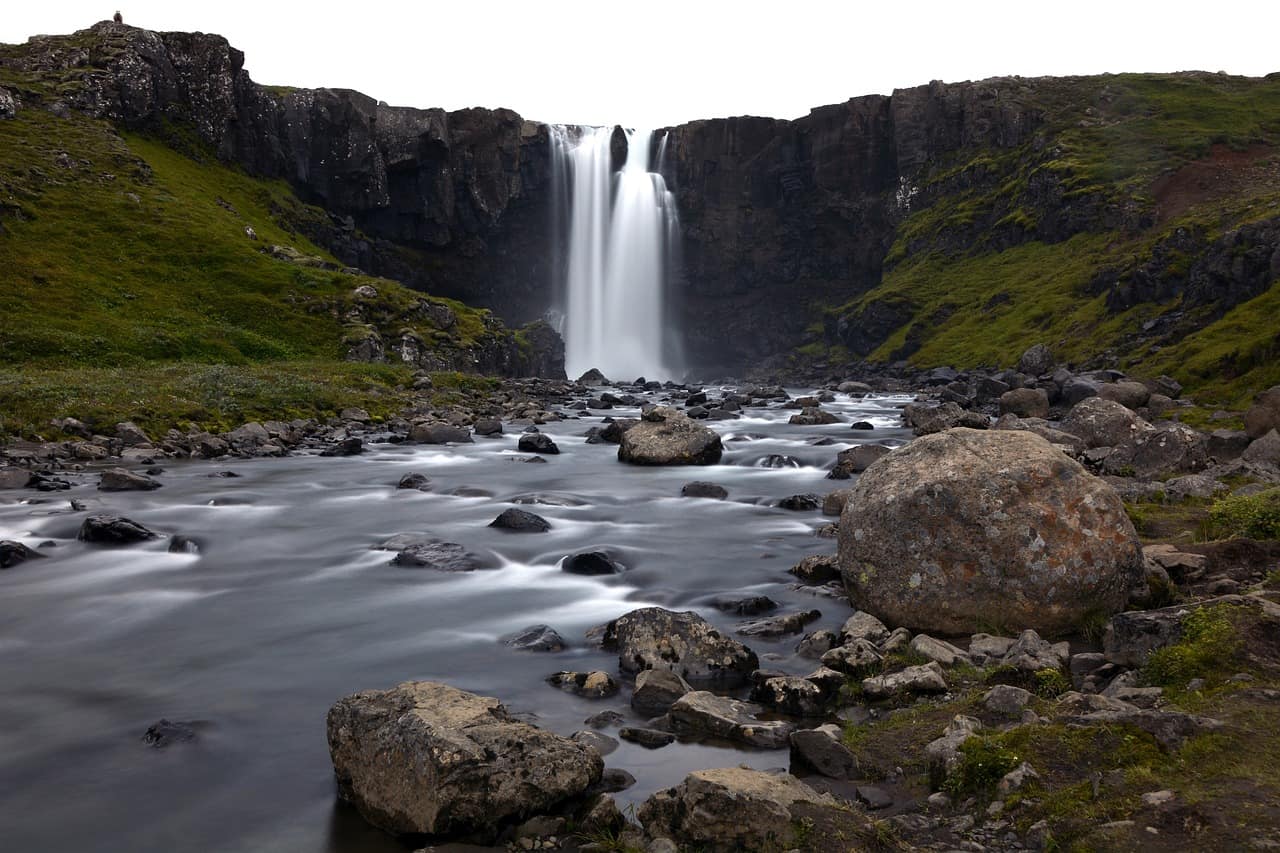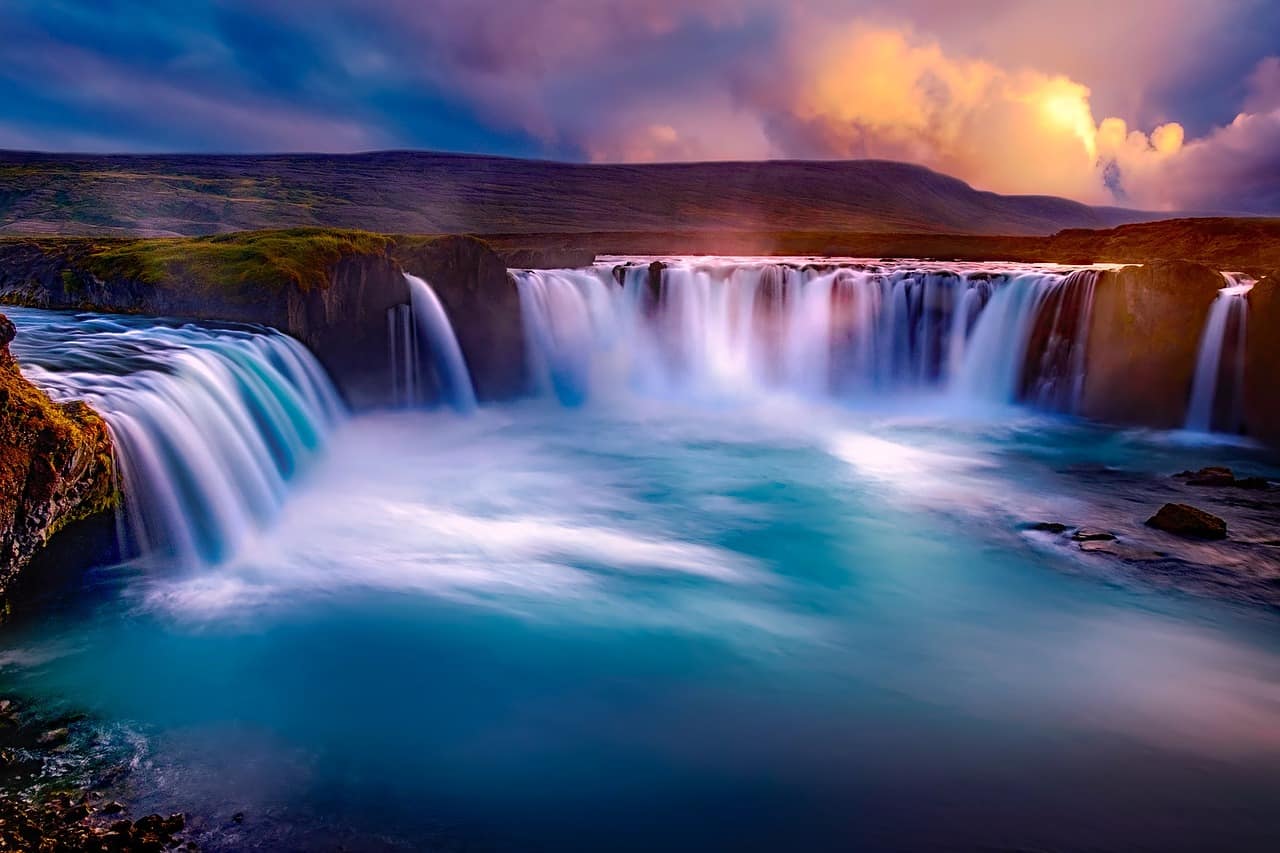
The East Coast has a lot to offer and is great for those who want to explore Iceland without having to compete with the crowds that gather in some of the most popular spots near Reykjavik. The many fjords have a lot to offer with several fishing villages and beautiful landscapes. Make sure that you do not miss out on many wonderful sights near Egilsstadir, where you can enjoy nature in a relaxing atmosphere and swim in geothermal water right next to a lake at Vök baths. The unique Studlagil canyon is not far from Egilsstadir, and it guarantees some of the most memorable and instagrammable pictures you will ever take. You can easily make Egilsstadir your base for further exploring of Seyðisfjörður, Neskaupstaður, Eskifjörður, Fáskrúðsfjörður and many more.
Live availability
Book tours with live availability
Explore The Fjords Of The East Coast Of Iceland
Find out what tours and activities are available in this area by browsing the tours below!
Things to Do in East Iceland: The Fjords Everyone Skips and Shouldn’t
East Iceland is the leg of the Ring Road where most itineraries press the accelerator, which is precisely why those who lift off the pedal are rewarded. The Eastfjords hold Iceland’s only wild reindeer, its largest forest, its most photogenic village street, a puffin colony you can practically join, and fjord after fjord of road with nobody on it. This is the region for travelers who came for the country, not the queue.
The Essential East
Seyðisfjörður. The east’s crown jewel, reached over a mountain pass that descends past waterfalls into a fjord head village of Norwegian timber houses, the famous rainbow painted street leading to the blue church, an artist community that punches far above 700 residents, and the weekly Smyril Line ferry that connects Iceland to Europe. Our dedicated Seyðisfjörður guide covers it fully.
Borgarfjörður eystri. At the road’s end north of Egilsstaðir waits the most intimate puffin experience in Iceland: the Hafnarhólmi harbor viewing platforms put you within meters of around 10,000 nesting pairs from late April to early August, no boat required. The surrounding Víknaslóðir trail network ranks among the country’s best hiking, and the elf folklore here is taken with charming seriousness: Álfaborg, the elf rock capital, sits beside the hamlet.
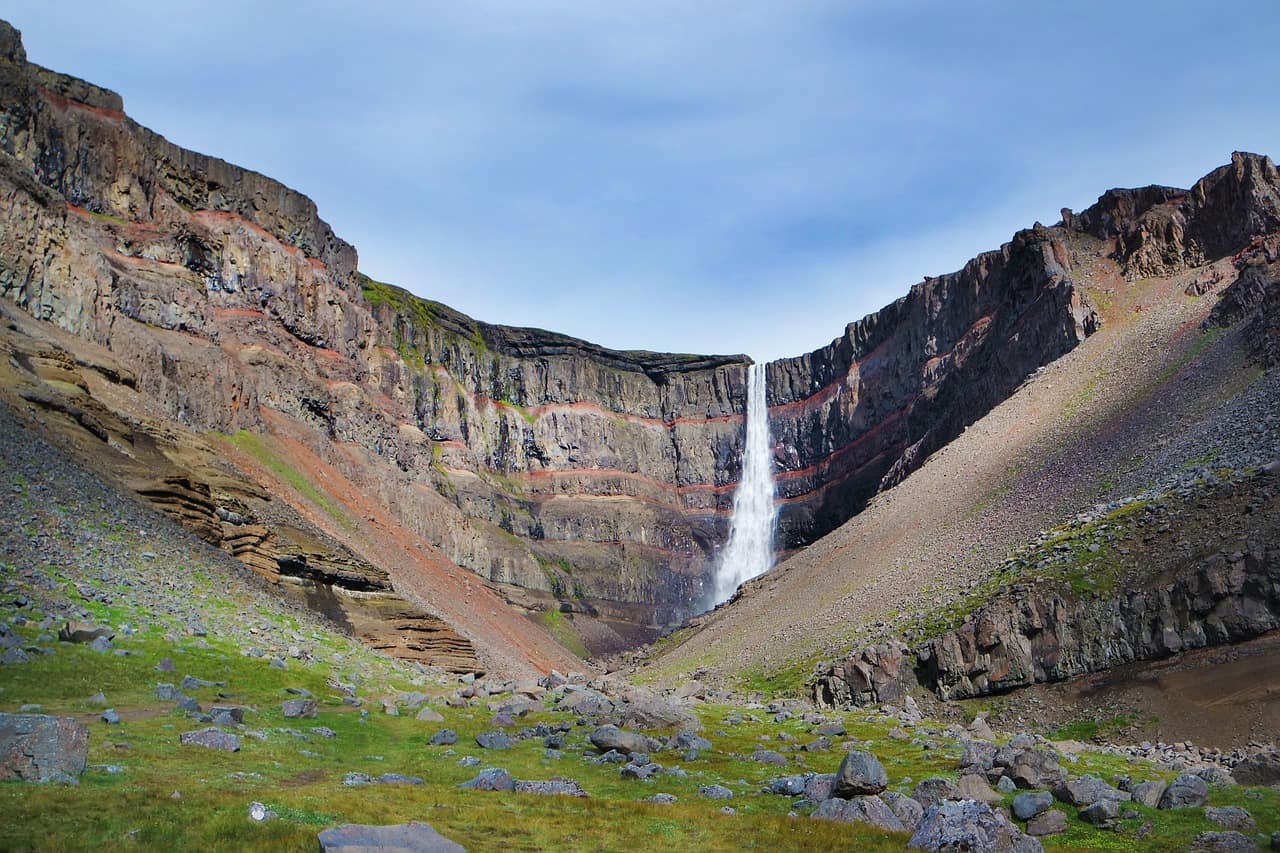
Hengifoss and Litlanesfoss. A single trail up from Lagarfljót lake passes Litlanesfoss’s towering basalt columns en route to Hengifoss, 420 feet (128 meters) of waterfall striped with red clay bands between black basalt: Iceland’s geology diagrammed on one cliff face. Allow two hours return.
Hallormsstaður Forest. Iceland’s largest woodland (a sentence that delights Icelanders and amuses everyone else) wraps the lake shore in real, walkable forest with campsites and trails, plus the lurking legend of the Lagarfljót Worm, Iceland’s answer to Nessie, sighted since 1345.
Vestrahorn’s Eastern Twin and the Fjord Road. South of Djúpivogur, the Ring Road threads fjords beneath Eystrahorn’s jagged screes: pull offs, seals, and silence. Djúpivogur itself, a Cittaslow town, displays Eggin í Gleðivík, 34 granite eggs honoring local birds along the harbor.
Stuðlagil Canyon. The basalt column canyon of the Jökla river, revealed in its full blue green glory after a hydro project tamed the flow, has become the east’s breakout star. The east bank hike (about 3.1 miles (5 kilometers) return) earns the real view.
The Eastern Specialties
Reindeer. Iceland’s only wild herds (descendants of 18th century Norwegian imports) roam the eastern highlands and descend to the fjords in winter: drivers between Djúpivogur and Egilsstaðir spot them regularly from November to March.
Petra’s Stone Collection in Stöðvarfjörður: one woman’s lifetime of gathered jaspers, agates, and zeolites filling a house and garden, improbably one of Iceland’s most beloved museums.
Mjóifjörður, the near roadless fjord between Seyðisfjörður and Neskaupstaður, for those who want the east’s emptiness in concentrate, and Eistnaflug, Neskaupstaður’s famously friendly rock festival each July.
The food trail: reindeer burgers in Egilsstaðir, langoustine southward in Höfn’s direction, and Vök Baths, the east’s floating geothermal pools on Lake Urriðavatn, for the post drive soak.
Route Logic
Egilsstaðir is the hub (domestic flights, services, Ring Road junction); Seyðisfjörður is 25 minutes over the pass. Two days suit the east minimally: one for Seyðisfjörður and the Lagarfljót sights, one for Borgarfjörður eystri or the fjord road south. The east keeps winter longest; confirm passes on road.is from October through April.
Frequently Asked Questions
Is East Iceland worth visiting?
For Ring Road travelers it is the region most often regretted as “too rushed.” Two deliberate days repay themselves entirely.
Where do you see puffins in East Iceland?
Borgarfjörður eystri’s Hafnarhólmi platforms, late April to early August: the closest reliable puffin viewing in the country.
Are there really reindeer in Iceland?
Only in the east: roughly 6,000 to 7,000 wild animals, easiest spotted near the coast in winter.
Explore Iceland by region
Hover or tap a location to explore