
March is the gentle introduction to winter Iceland. The landscapes remain white, the aurora still owns the night, and the ice caves squeeze out their final weeks, but daylight surges past twelve hours, roads behave better, and the cold loses its January teeth. For first time winter visitors, this is the month with the best risk to reward ratio of the entire cold season.
The March Equation
Daylight explodes from 10 hours to 13.5 across the month, crossing the equinox around March 20 when day finally equals night. Reykjavík temperatures average 30 to 39°F (minus 1 to plus 4°C). Storms still happen (Icelanders joke that March cannot decide what it wants to be), but the long light makes recovery days productive instead of dark.
The Best Things to Do in Iceland in March
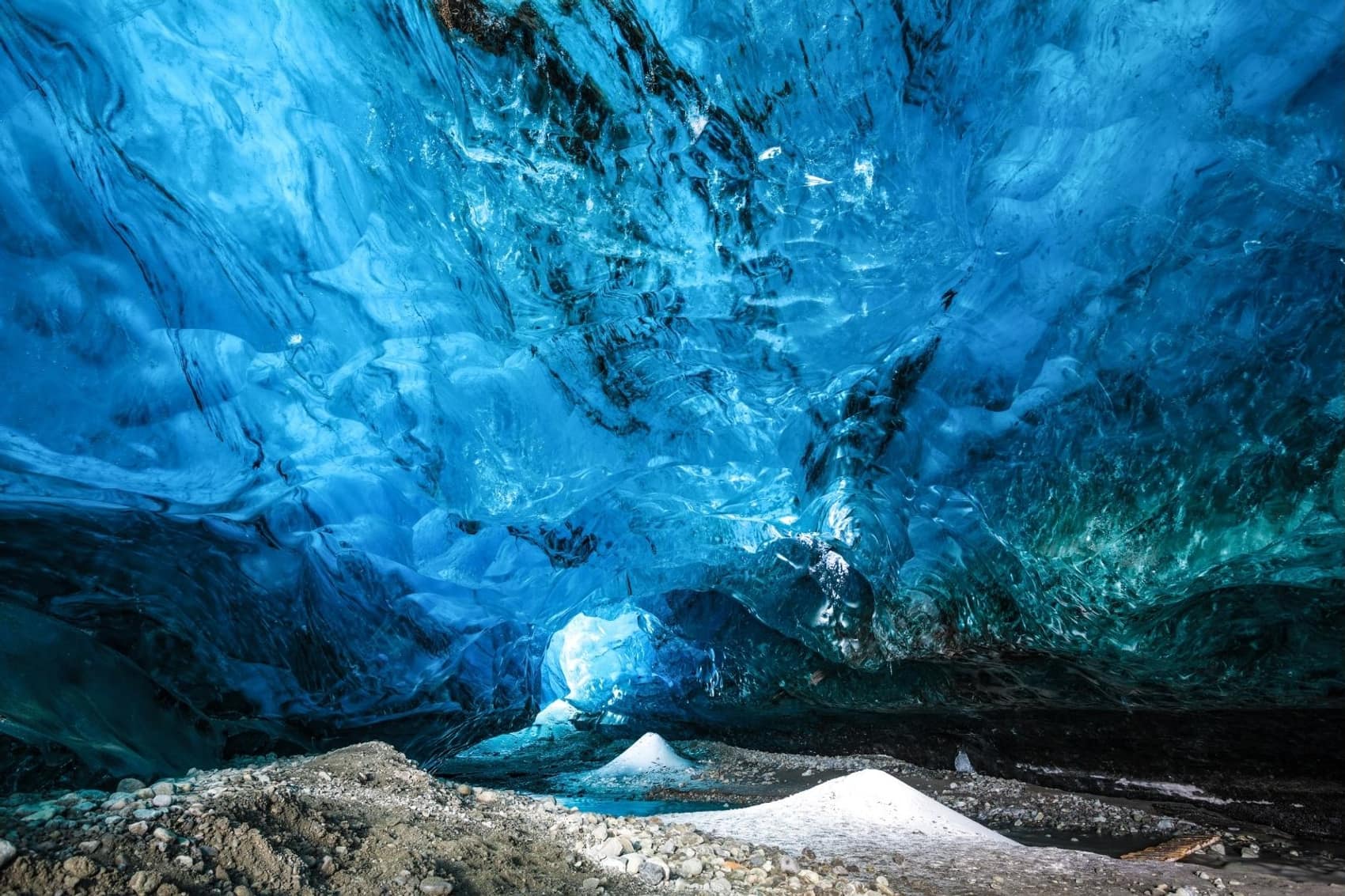
Catch the Ice Caves Before They Close
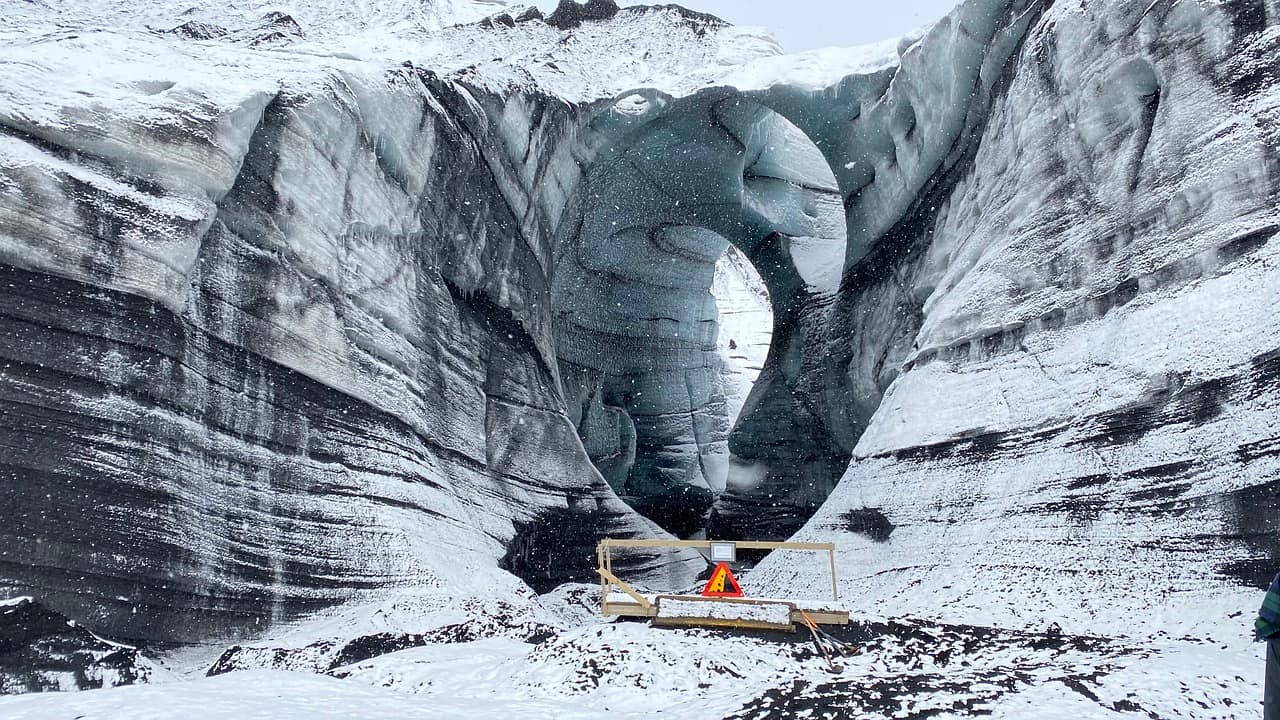
The Vatnajökull crystal cave season typically runs through March before meltwater ends it. Early month bookings are safest; operators monitor conditions daily and the Katla ice caves near Vík continue beyond the classic season as the fallback.
Aurora With Comfortable Logistics
March is statistically one of the strongest aurora months: geomagnetic activity historically peaks around the equinoxes, nights remain properly dark until the month’s end, and milder evenings make the waiting pleasant rather than punishing. Standard doctrine applies: vedur.is, dark skies, multiple nights.
A Realistic Winter Ring Road
March is the first month confident drivers can attempt the full circuit again: 13 hours of light, improving roads, full winter scenery. Ten days, 4WD, daily road.is checks, and flexibility on the East fjords leg, which keeps winter longest.
Snow Sports at Their Peak
Iceland’s ski season crescendos in March: Hlíðarfjall above Akureyri in full swing, Bláfjöll near Reykjavík open on its best weekends, and the Troll Peninsula’s heli skiing season properly underway, combining corn snow couloirs with fjord views found nowhere else.
The Classic Routes With Time to Spare
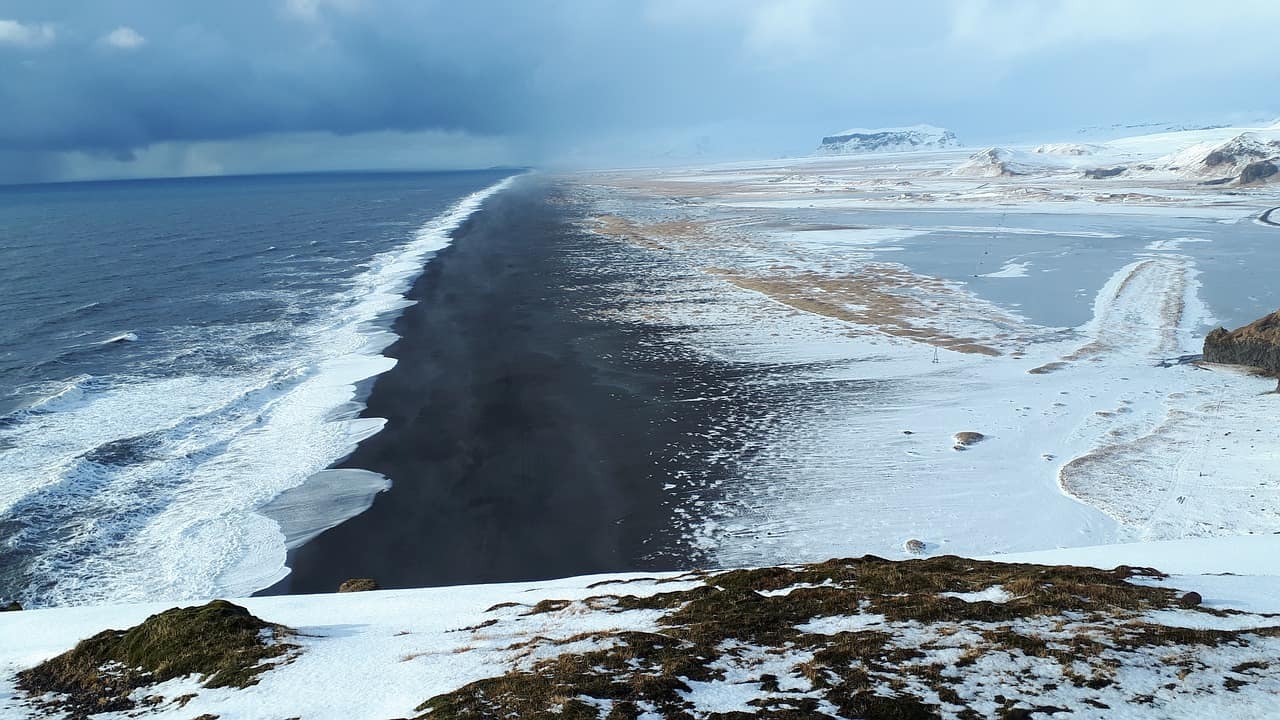
The Golden Circle and South Coast in March hit a sweet spot: still wintry, no longer rushed. Thirteen hours of light means Jökulsárlón as a two day trip works comfortably, with the lagoon’s seal population lounging on late season ice.
Whales Return Early
Whale watching restarts in earnest from Reykjavík year round and the first humpbacks build in northern waters late in the month, a preview of the summer feeding season.
Beer Day, March 1
Iceland banned beer for 74 years and legalized it on March 1, 1989. The anniversary is celebrated with the seriousness the injustice deserves. Join at Kaldi Bar or any craft tap room in the capital.
DesignMarch and the Spring Culture Wave
Reykjavík’s design festival (DesignMarch) fills late month with open studios, exhibitions, and talks across the city, the first cultural swell of spring.
March Practicalities
Winter rules still apply at full strength: 4WD with winter tires, layered packing with waterproofs, boot spikes for icy paths, and respect for closures. Highland roads remain shut. Prices stay shoulder season friendly until Easter week, which books up early when it lands in March; check your year’s calendar.
Frequently Asked Questions
Is March a good time to visit Iceland?
For most first time winter visitors it is the best month: full winter scenery and aurora with the most daylight and mildest logistics of the season.
Can you still see ice caves in March?
Usually yes, especially early month, with the Katla caves as the season extender. Book early and stay flexible.
Is March good for northern lights?
One of the best months of the year: equinox activity, dark nights, milder waiting conditions.
What should I pack for Iceland in March?
Full winter kit: thermals, insulated waterproof layers, boots with grips, hat, gloves, swimwear, sunglasses for snow glare.