
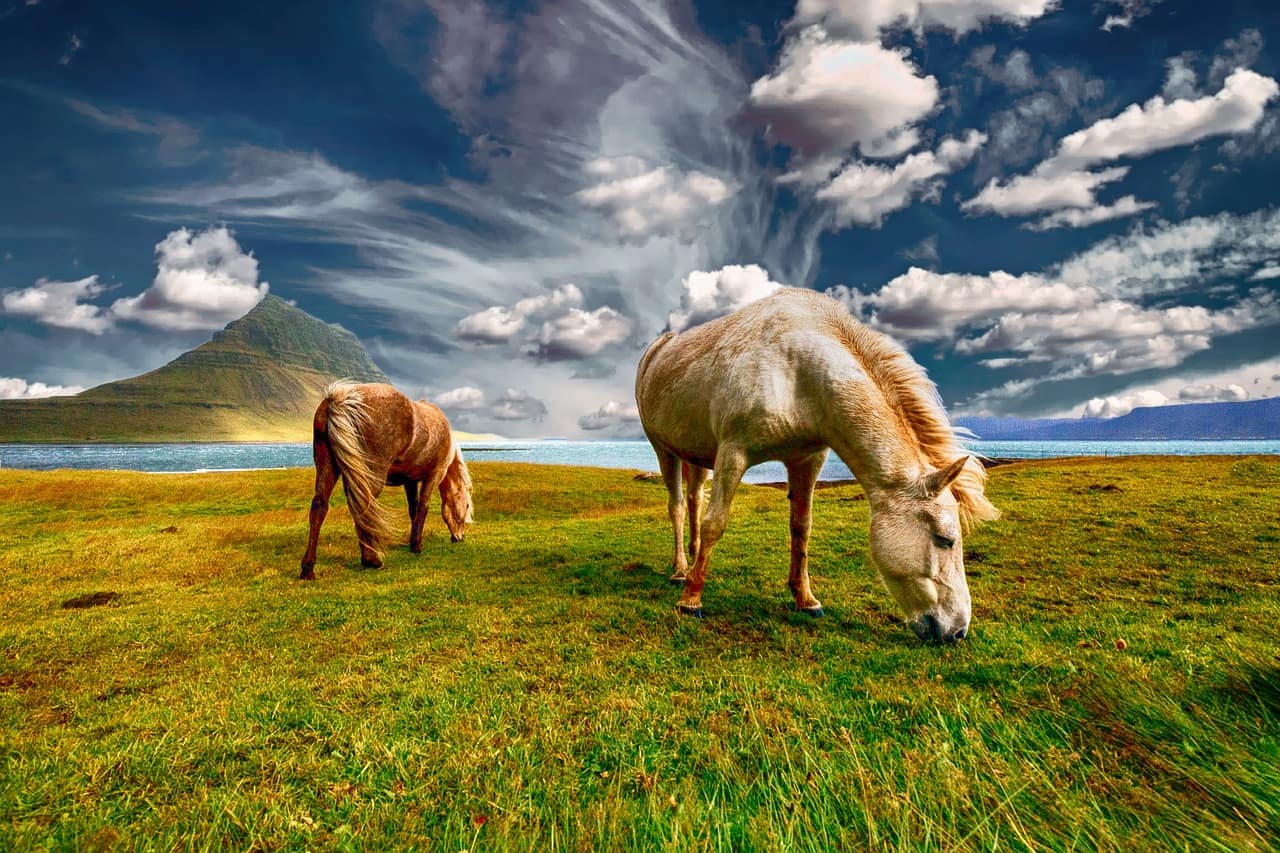
The Icelandic horse is famous for its unique gait called tölt. Although smaller than most horses on the continents, it is one of the toughest breeds of horses, with impressive endurance and ability to navigate tricky terrain. Make sure you do not miss out on experiencing the magical nature of Iceland from the back of a horse. Below you can browse by number of days or category. To browse by location just click on the map to explore Iceland! Enjoy Iceland on your terms! Click on the different places on the map above to see available tours!
Live availability
Book tours with live availability
Horseback Riding Tours In Iceland
The Althing banned horse imports in 982, so the Icelandic horse has been the country's only breed for more than a thousand years, and any horse that leaves can never return. That isolation explains the rules about the boots in your bag. Rides run all year, start half an hour from Reykjavik, and are built for beginners.
A Horse, Not a Pony
Icelandic horses are pony sized, but locals will correct you if you call one a pony. Most stables set a rider weight limit, usually 220 pounds (100 kilograms), so check when booking.
The real difference is the gaits. Most breeds have three: walk, trot and canter. Icelandic horses usually have five. The extra two are the tölt, a smooth four beat gait that feels like being carried rather than bounced, and the flying pace, a fast two beat gait ridden in short bursts. Guides usually work in a few minutes of tölt on flat ground.
Where and When to Ride
Stables cluster around Reykjavik, across the farmland of the south coast, and near Akureyri in north Iceland. A ride takes half a day at most, so it fits alongside day trips from Reykjavik.
| Season | What the ride is like |
|---|---|
| June to August | Widest choice of routes, rides running late into the evening |
| April, May, September, October | Fewer riders, fine in a fleece and a shell |
| November to March | Shorter rides, frozen ground, cold. See Iceland in winter |
What It Costs and What to Wear
Most 1 to 3 hour rides run about 21,100 to 24,200 ISK (about $153 to $175 / EUR 141 to 161). Rides with a farm visit, or bundled with another activity, reach about 31,300 ISK (about $227 / EUR 209). Pickup from Reykjavik is included on some tours but not others, so check your meeting point.
Helmets are provided and required, and stables usually lend coveralls and rubber boots. You bring long pants you can move in, a warm mid layer, gloves and a hat that fits under a helmet. In winter add thermals, and check the forecast on vedur.is the night before: wind matters more than temperature.
Frequently Asked Questions
Do I need to have ridden before?
No. Short rides are built around first timers, with a briefing, a matched horse and a guide with the group. Say on the booking form that you have never ridden, since that decides which horse you get.
Is the Icelandic horse a pony?
It is pony sized but registered and referred to as a horse. It has the build and temperament of a small horse and carries adults comfortably.
Can I bring my own boots and riding clothes?
Used clothes and boots are allowed if they were machine washed or dry cleaned before you flew, and a vet issued disinfection certificate saves customs doing it at your cost. Used gloves and used tack are banned outright, because the herds here have no immunity to diseases from abroad.
Can you ride in winter?
Yes. The breed grows a heavy winter coat and works through the cold. Rides are shorter, and daylight limits start times, so take a late morning slot between November and February.
Explore Iceland by region
Hover or tap a location to explore