
Icelandic summer is short, roughly June through August, and the country responds by simply refusing to sleep. The sun dips below the horizon for an hour or two and comes straight back, festivals stack onto weekends, sheep flood the hillsides, and roads that spend nine months under snow open into the raw interior.
This guide covers what to do with all that daylight, and how the three summer months differ.
The Summer Essentials
Road Trip Under the Midnight Sun
Summer is Ring Road season. The full 821 miles (1,322 kilometer) circuit of Route 1 is at its safest and most flexible, and with 20+ hours of usable light you can sightsee at hours that would be absurd anywhere else. The professional move: do the famous stops (Gullfoss, Skógafoss, Reynisfjara) before 9 am or after 7 pm and have them nearly to yourself.
Go Into the Highlands
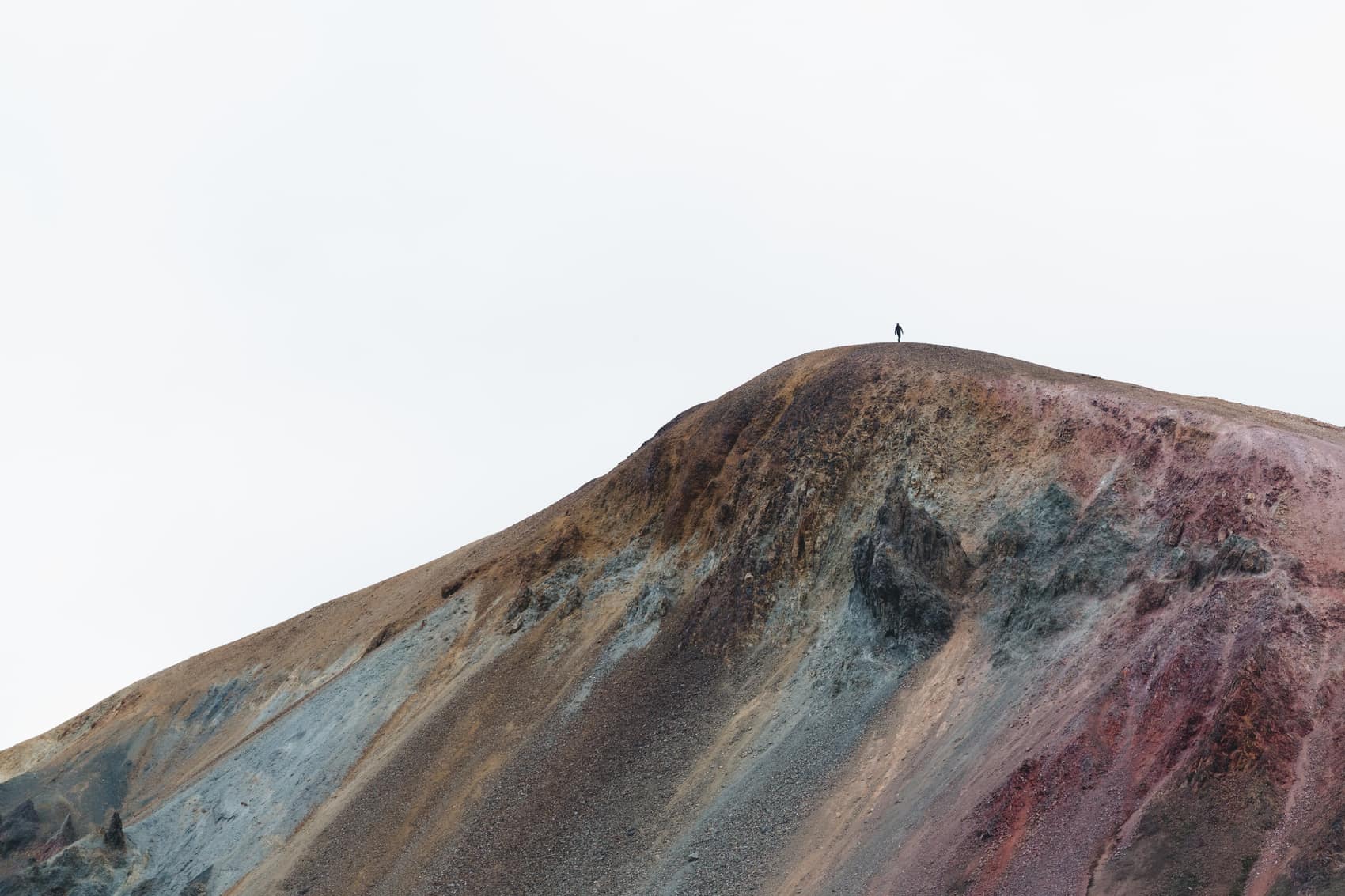
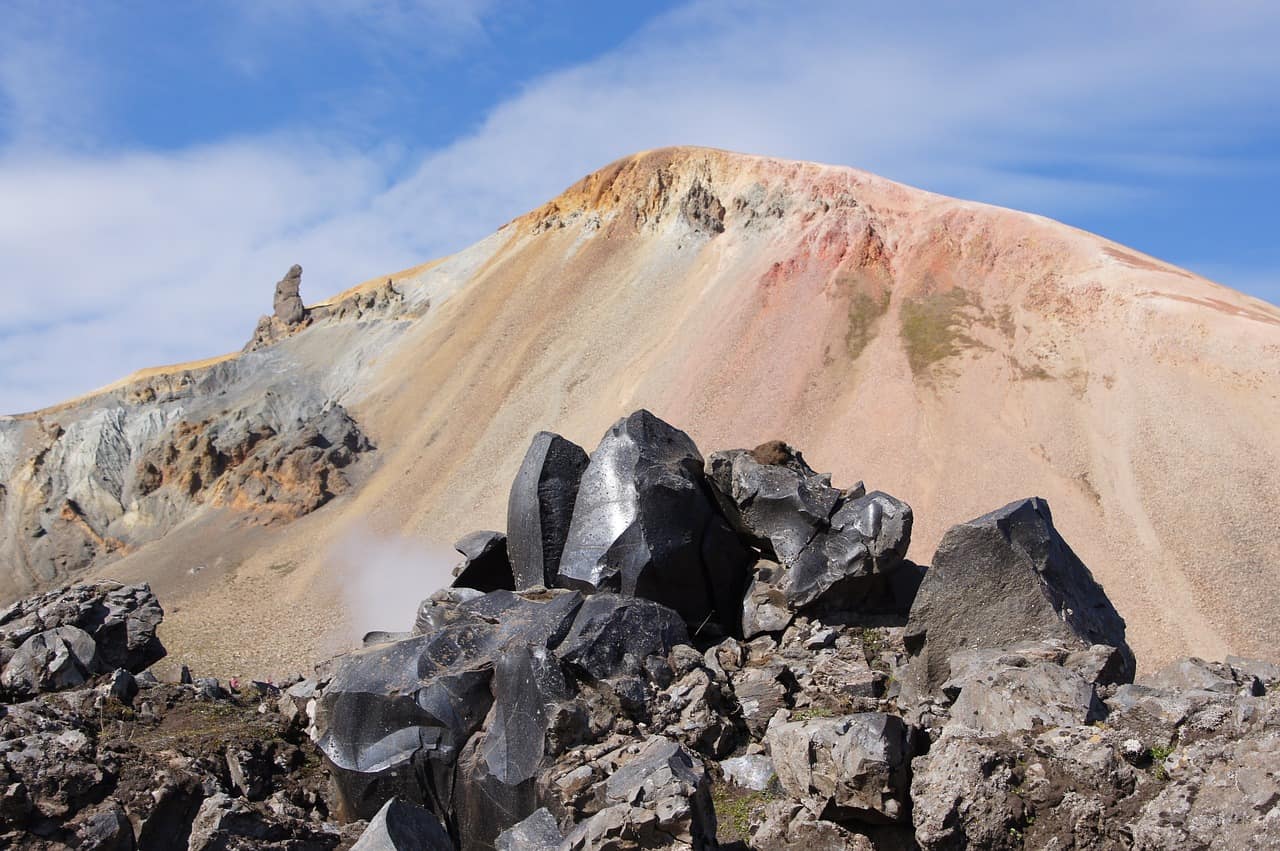
The interior F roads open from late June and close again in September. This is the only window for Landmannalaugar’s rainbow rhyolite mountains, the Askja caldera where Apollo astronauts trained, Þórsmörk’s birch valleys, and Kerlingarfjöll’s steaming Hveradalir slopes. Highland buses and super jeep tours serve all of them if you do not want to ford rivers in a rental.
Trek the Laugavegur Trail
Iceland’s signature multi day hike runs 34 miles (55 kilometers) from Landmannalaugar to Þórsmörk through obsidian fields, black deserts, and glacier views. Four days, hut to hut (book the huts the previous winter) or tent. National Geographic has ranked it among the world’s great trails, and it earns it.
Watch Puffins on the Cliffs (May to Mid August)
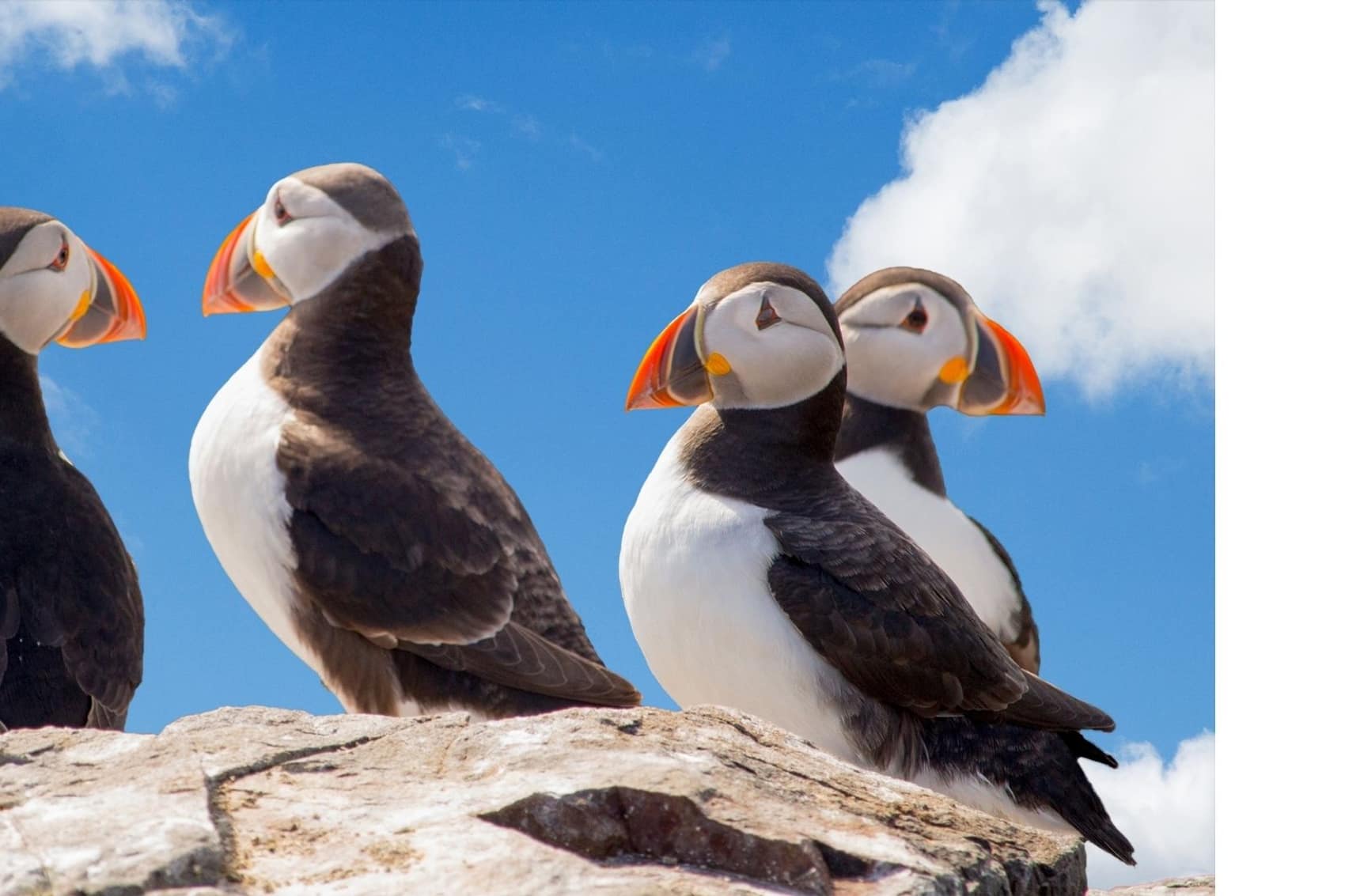
Summer is the entire puffin season. The Westman Islands host the largest Atlantic puffin colony on Earth, Borgarfjörður eystri has the most comfortable viewing hides, Dyrhólaey serves South Coast itineraries, and Látrabjarg in the Westfjords delivers close encounters along Europe’s great bird cliff.
Whale Watch at Peak Season
June through August is prime feeding time. Húsavík’s Skjálfandi Bay produces the most reliable humpback shows in Europe, with minke whales, white beaked dolphins, and the occasional blue whale. Eyjafjörður (from Akureyri) and Faxaflói (from Reykjavík) are strong alternatives.
Ride, Raft, Kayak, Dive
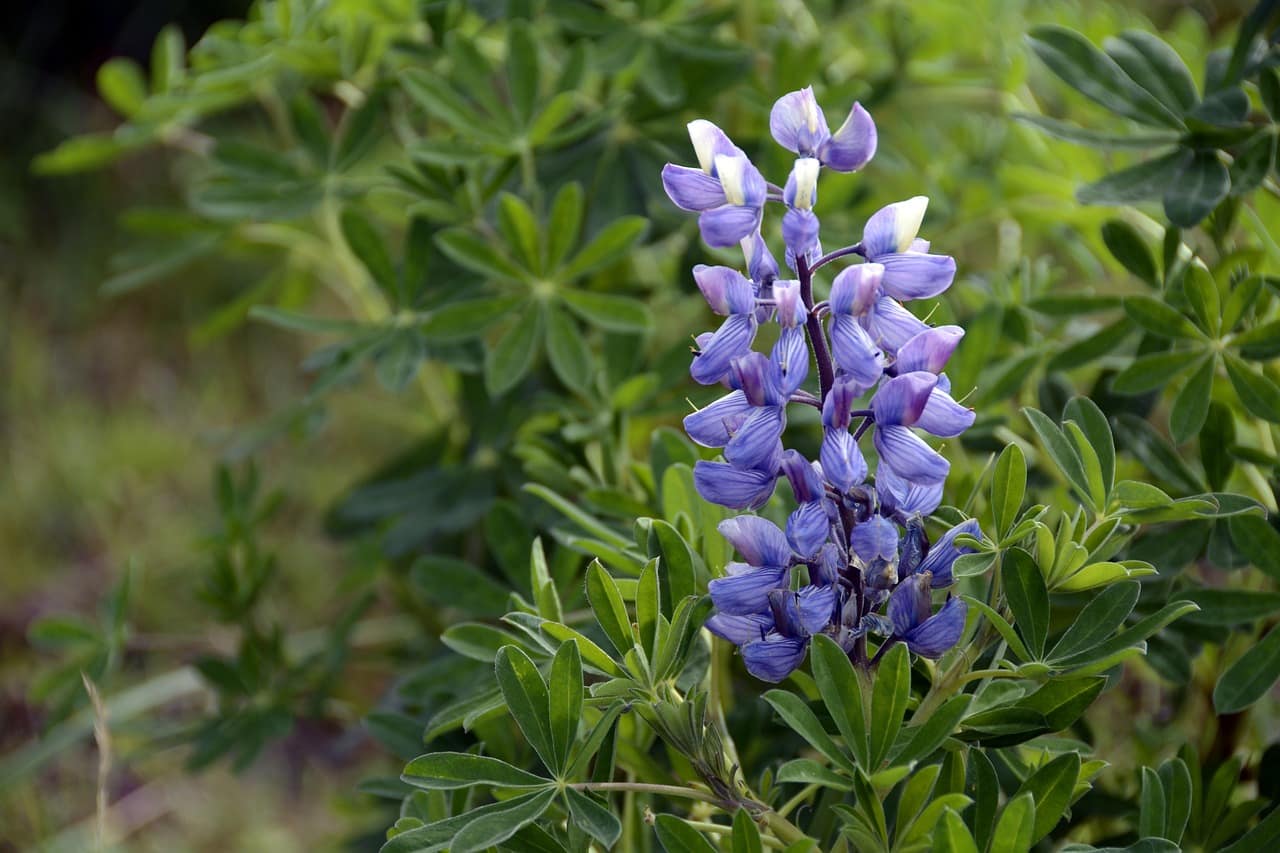
Summer opens the activity menu fully: horseback riding through lupine on the smooth gaited Icelandic horse, white water rafting on the Hvítá or the bigger water of the north, sea kayaking among bergs on glacier lagoons, and snorkeling the Silfra fissure at Þingvellir, where you float between continental plates in 2 degree water with 328 feet (100 meter) visibility. Silfra runs year round, but summer makes the changeover far more pleasant.
Chase Waterfalls at Full Volume
Snowmelt makes summer the loudest season. Beyond the South Coast classics, summer opens access to Dynjandi in the Westfjords (a 328 feet (100 meter) bridal veil), Aldeyjarfoss with its basalt columns, and Glymur, whose trail (log river crossing included) is a summer only adventure to Iceland’s second tallest fall.
Join the Festival Calendar
Seafarers’ Day in early June, the Secret Solstice period around June 21, the Westman Islands’ enormous Þjóðhátíð in early August, Reykjavík Pride and Culture Night in August, and small town festivals nearly every weekend in between.
June vs July vs August: Which Summer Month?
June brings the longest light, nesting birds everywhere, and lupine fields at full purple, but highland roads may open late in the month. July is the warmest and busiest, with everything open and prices at maximum. August keeps July’s access with slowly returning darkness, which means a real chance of early northern lights in the final week, plus berry picking and réttir energy building in the countryside. Our individual June, July, and August guides go deeper on each.
Summer Practicalities
- Book early. Countryside guesthouses for July sell out by spring.
- 2WD is fine for the Ring Road; F roads legally require 4WD.
- Pack for 41 to 64°F (5 to 18°C). Layers, waterproof shell, sleep mask, swimsuit, hiking boots.
- Camping is glorious in summer, and Iceland’s campsite network is excellent. Wild camping with vehicles is illegal; use the sites.
- Daylight distorts judgment. It is easy to hike at 10 pm and forget to eat or sleep. Set alarms like an adult.
Frequently Asked Questions
What is the best month to visit Iceland in summer?
July for warmth and access, June for light and fewer highland crowds early on, August for the access plus aurora chance combination.
Can you see the northern lights in summer?
Only in late August, when true darkness returns. June and July are too bright.
Is Iceland warm in summer?
Mild rather than warm: 50 to 59°F (10 to 15°C) typically. Pack layers regardless of the forecast.
Is summer too crowded?
The Golden Circle and South Coast are busy midday. The East, North, Westfjords, and any hour before 9 am remain remarkably quiet.