
Reykjavík is the smallest capital in the Nordics and one of the most walkable cities in Europe. Around 140,000 people live here, yet the city supports a concert hall of international standing, a music scene that punches absurdly above its weight, more bookshops per capita than almost anywhere, and a swimming pool culture that doubles as the national living room.
Most visitors give Reykjavík a single rushed day before racing to the waterfalls. That is a mistake. Here is how to do the city properly.
The Icons
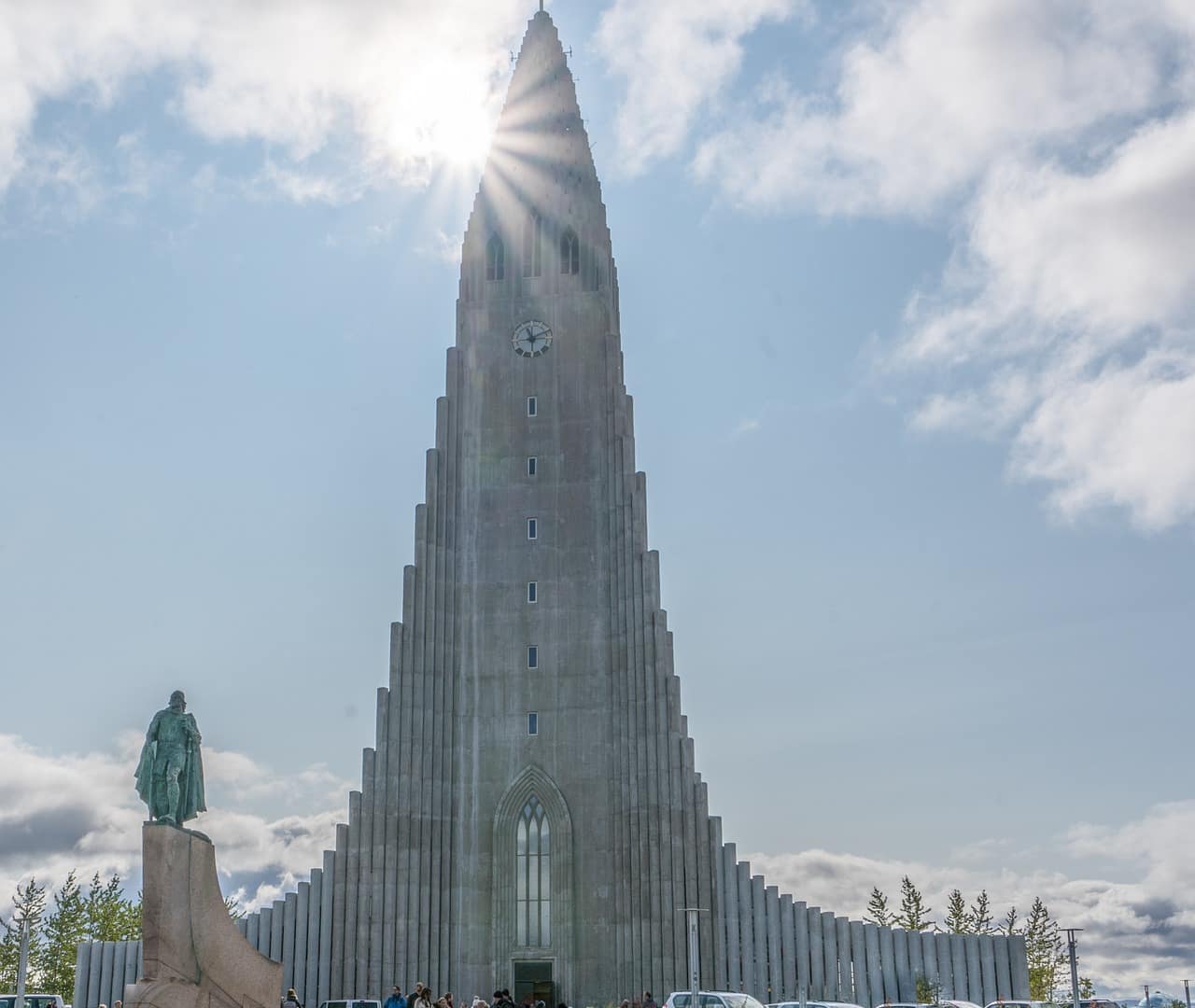
Hallgrímskirkja
The 244 feet (74.5 meter) church that dominates the skyline took 41 years to build, and its concrete columns echo the basalt formations you will see at Reynisfjara. Take the lift up the tower (1,400 ISK (about $10 / €9)) for the best view in the city: corrugated iron rooftops in every color, Mount Esja across the bay, and on clear days the Snæfellsjökull glacier 75 miles (120 kilometers) away.
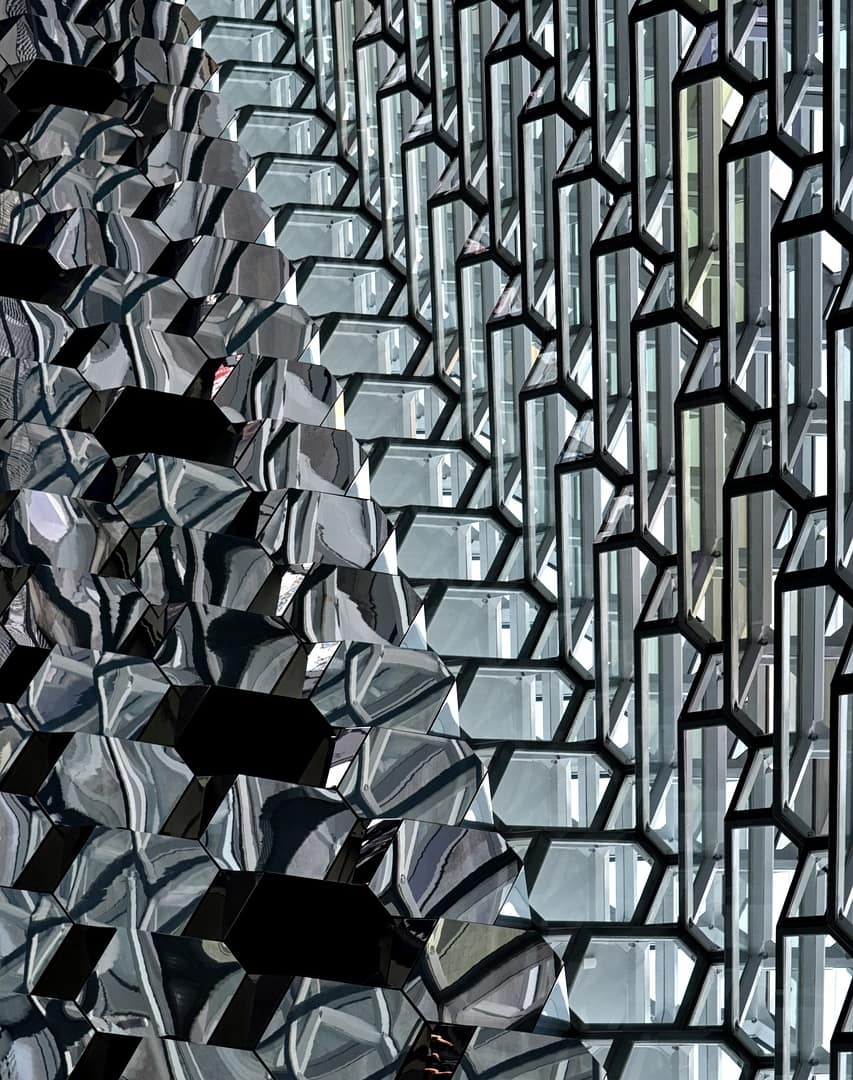
Harpa Concert Hall
Harpa’s honeycomb glass facade, designed with artist Ólafur Elíasson, shifts color with the light. Entry to the foyer is free and worth 20 minutes even if you skip a performance. If the Iceland Symphony Orchestra is playing during your visit, tickets are often cheaper than you would expect.
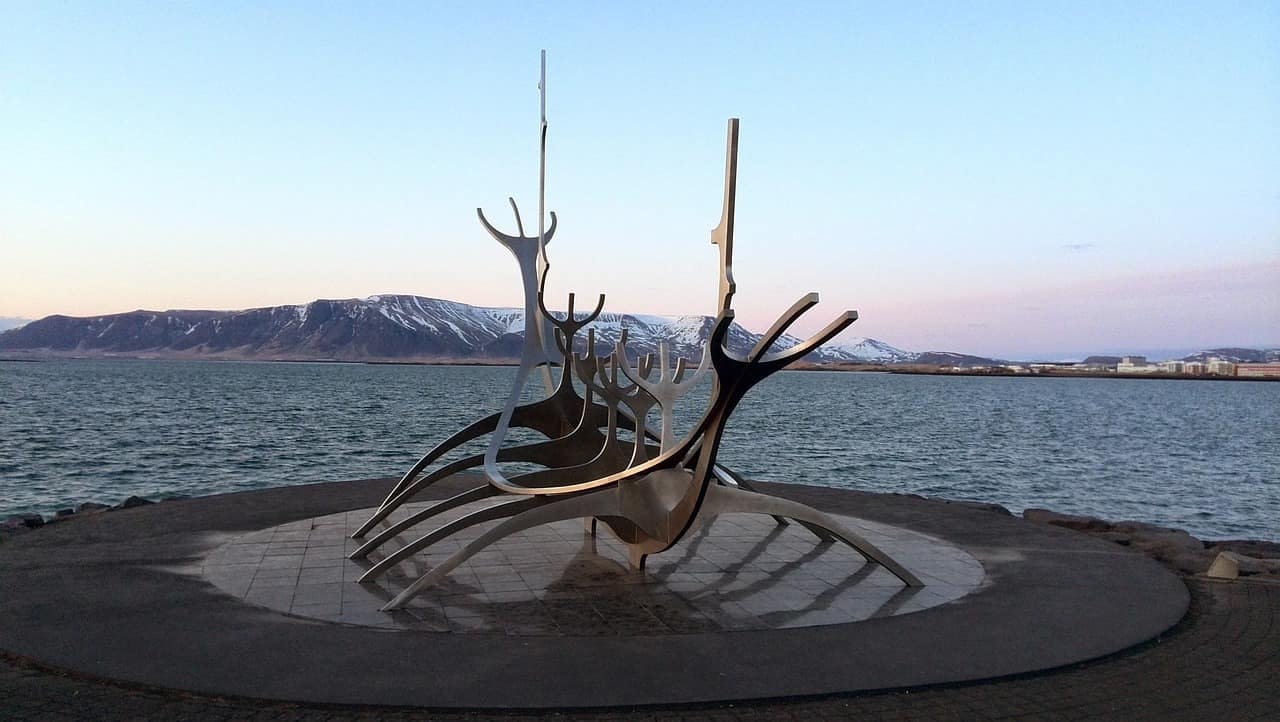
The Sun Voyager
Jón Gunnar Árnason’s steel ship sculpture on the waterfront is a five minute walk from Harpa. It faces the sea and Mount Esja, and at sunset or under winter twilight it is the most photogenic spot in the city. It is a dreamboat and an ode to the sun, not a Viking ship, despite what half the captions on Instagram claim.
Old Harbour and Grandi
The harbour district has transformed from working docks into one of the city’s best areas: whale watching departures, the Whales of Iceland exhibition, Omnom chocolate factory, and Valdís ice cream, which Icelanders eat year round regardless of the temperature outside.
Do What Locals Actually Do: The Pools
Skip nothing else in this guide if you must, but do not skip the pools. Reykjavík’s geothermal swimming pools are where the city socializes, debates politics, and recovers from the weather. Entry is around 1,400 ISK (about $10 / €9), a fraction of the famous lagoons.
- Sundhöllin: The oldest pool in the city, art deco design by state architect Guðjón Samúelsson, with a rooftop hot tub facing Hallgrímskirkja.
- Laugardalslaug: The largest, with multiple hot tubs, a steam bath, and a 164 feet (50 meter) outdoor pool.
- Vesturbæjarlaug: The neighborhood favorite where you are most likely to overhear actual Icelandic gossip.
One rule matters: shower thoroughly without a swimsuit before entering. Icelanders take this seriously, and the changing room attendants enforce it.
For the premium experience, Sky Lagoon in Kópavogur is 15 minutes away, with an infinity edge over the North Atlantic and the seven step Skjól ritual.
Museums Worth Your Króna
- National Museum of Iceland: The full sweep from settlement to smartphone, anchored by the 13th century Valþjófsstaður door.
- Settlement Exhibition: A Viking age longhouse excavated in situ beneath a downtown hotel, dated to around 871 AD.
- Perlan: A natural wonders museum built into hot water tanks on Öskjuhlíð hill, with a real indoor ice cave and a 360 degree observation deck.
- Reykjavík Art Museum: Three locations on one ticket; the Hafnarhús branch holds the Erró collection.
- The Icelandic Phallological Museum: Yes, it is exactly what it sounds like. Surprisingly well curated.
Eat and Drink
Icelandic food has gone from punchline to destination in 15 years.
- The hot dog: Bæjarins Beztu Pylsur has served lamb based hot dogs since 1937. Order “eina með öllu” (one with everything). Around 700 ISK (about $5 / €5), the cheapest meal in the country.
- Seafood: Try plokkfiskur (fish stew) at Café Loki or splurge at Fiskfélagið.
- Lamb: Slow cooked Icelandic lamb is the national pride. Þrír Frakkar and Grillmarkaðurinn both do it justice.
- Bakeries: Brauð & Co’s cinnamon rolls have a permanent morning queue for a reason.
- Coffee: Reykjavík Roasters and Kaffibrennslan anchor a serious coffee culture.
- Beer: Beer was banned in Iceland until March 1, 1989, a date now celebrated as Beer Day. Make up for lost time at Kaldi Bar or Session Craft Bar.
Nightlife: The Rúntur
Reykjavík’s weekend bar crawl, the rúntur, starts late. Locals pre game at home (bar prices explain why) and hit Laugavegur and Austurstræti after midnight. Kaffibarinn is the institution, Lemmy serves the rock crowd, and Pablo Discobar covers the cocktail end. Closing time runs to 4:30 am on weekends.
Free Things to Do
Reykjavík on a budget is very doable: the Sun Voyager, Harpa’s foyer, the Grótta lighthouse walk at low tide, Tjörnin pond and its swans, the street art of the Grandi district, and Hallgrímskirkja’s nave (the tower costs, the church does not). Our dedicated guide to free things to do in Reykjavík expands this list to twenty.
Day Trips From the City
Reykjavík is the perfect base for the Golden Circle, the South Coast as far as Vík, the Reykjanes Peninsula and Blue Lagoon, Snæfellsnes, and whale watching in Faxaflói Bay. See our guide to day trips near Reykjavík for full itineraries.
Frequently Asked Questions
How many days do you need in Reykjavík?
Two full days covers the city itself well. Add a day for each major day trip.
Is Reykjavík walkable?
Extremely. The center is compact, and almost everything in this guide is within a 25 minute walk of Hallgrímskirkja.
What is Reykjavík famous for?
Geothermal pools, colorful corrugated iron houses, a celebrated music and design scene, and its role as the gateway to Iceland’s nature.
Is Reykjavík worth visiting in winter?
Yes. Christmas lights, northern lights, festivals like Winter Lights in February, and far cheaper hotels. See our guide to Reykjavík in December.