
Reykjavík restaurant prices can wound, but the city itself is generous: its architecture, coastline, art, and atmosphere are almost entirely free. Locals do not spend money to enjoy this town and neither must you. Twenty proofs follow.
The Waterfront
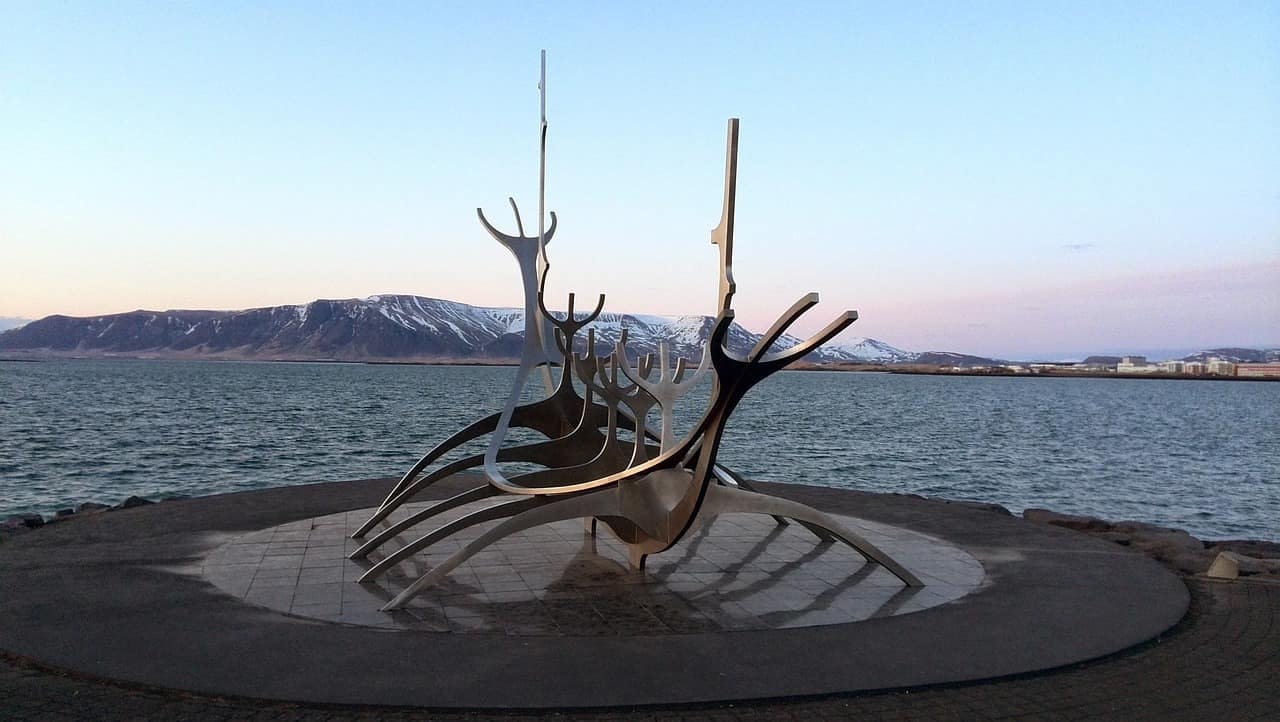
- The Sun Voyager, Jón Gunnar Árnason’s steel dreamboat, best at sunset against Mount Esja.
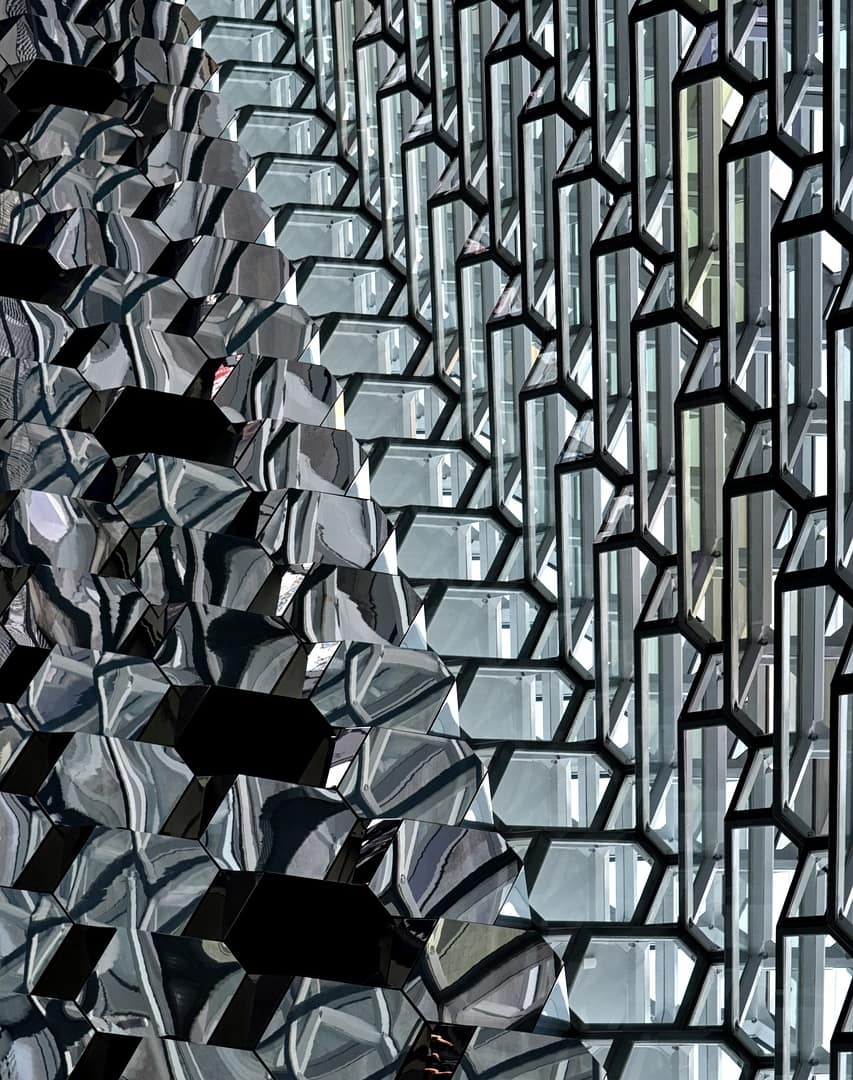
- Harpa Concert Hall’s foyer. The honeycomb glass facade designed with Ólafur Elíasson shifts color with the sky; entry costs nothing and the light show is constant.
- The Old Harbour walk past working trawlers, whale boats, and the Grandi food halls (window shopping is free; willpower sold separately).
- Grótta lighthouse at the peninsula’s tip: tidal walks, seabirds, the Kvika geothermal foot bath carved into the rocks, and the city’s best aurora viewing in winter. Check tide times; the causeway floods.
- Nauthólsvík beach promenade and the Öskjuhlíð forest paths below Perlan.
The City Itself
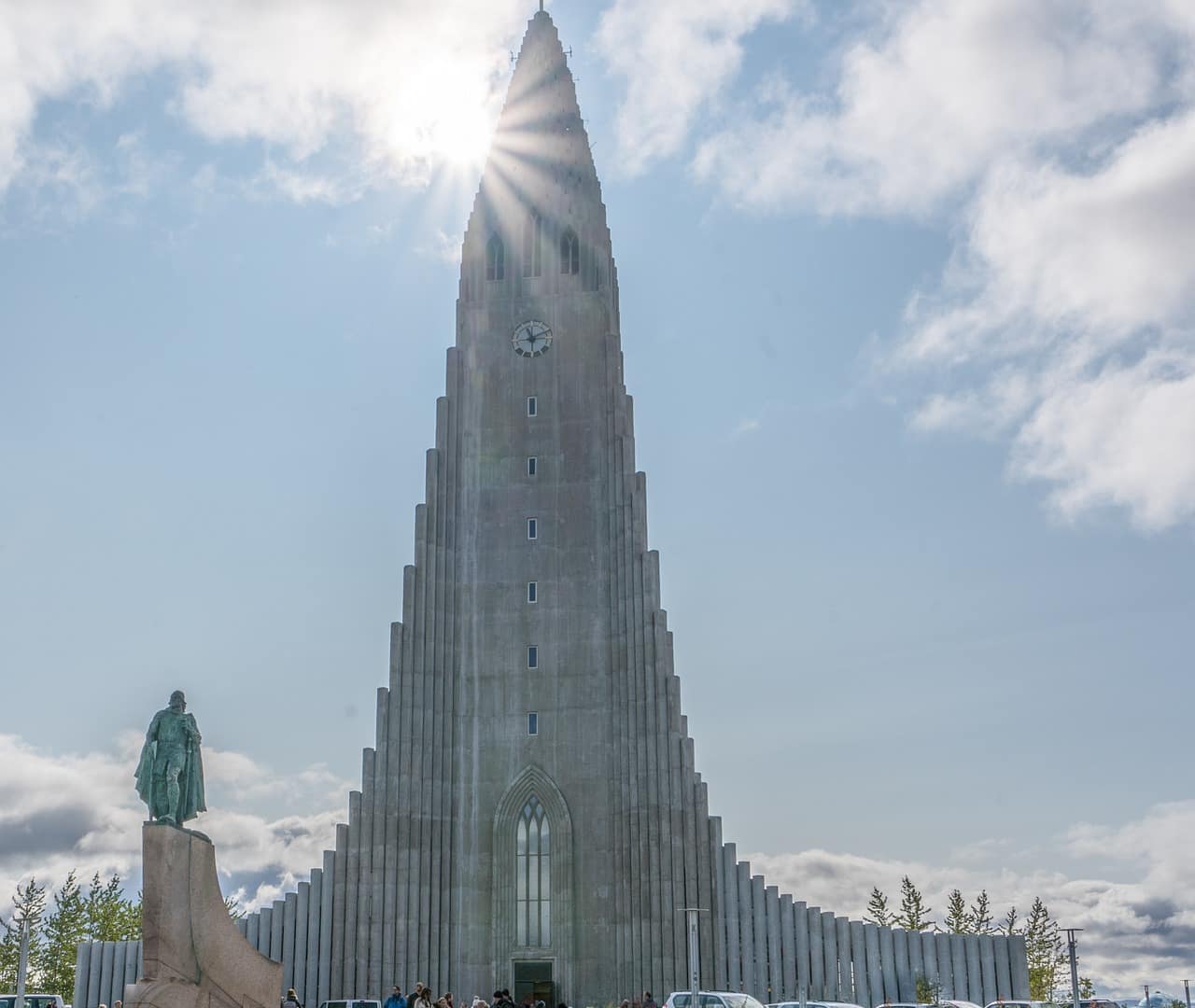
- Hallgrímskirkja’s nave. The tower charges; the soaring concrete interior and its 5,275 pipe organ do not. Catch a free organ rehearsal if your timing is lucky.
- The rainbow street, Skólavörðustígur’s painted stretch leading to the church.
- Street art safari. Reykjavík’s gable walls carry world class murals, densest in Grandi and along Laugavegur’s side streets.
- Tjörnin pond: swans, arctic terns, city hall’s free exhibitions on its bank, and in hard winters, locals skating.
- Austurvöllur square, parliament, and the old cathedral: the entire seat of government in one modest block, with grass for lounging in front of it.
- Hólavallagarður cemetery, an 1838 garden of birch and lupine that Icelanders treat as a park, and one of the most atmospheric places in the city.
- Einar Jónsson Sculpture Garden behind the museum: the bronzes are free even when the museum is not.
Free Culture, Scheduled Right
- Free museum days: the Reykjavík Art Museum’s three houses and the National Museum offer free admission on set days; verify current schedules and plan around them.
- Reykjavík City Library hosts free exhibitions and its top floor reading rooms welcome anyone escaping weather.
- Culture Night (August) and the Winter Lights Festival (February): the city’s two biggest events, entirely free, museums open late and streets full.
- Open air concerts at Hljómskálagarður park and pop up performances at Harpa happen all summer.
The Local Habits
- Sunrise or sunset from Sculpture and Shore Walk, the coastal path running the full north shore.
- The Christmas window crawl in December, when Laugavegur becomes one long light installation and the giant Yule Cat glows at Lækjartorg.
- People watch the pool culture at the outdoor hot dog stand by Sundhöllin, where swimmers, builders, and ministers eat the same 700 ISK (about $5 / €5) lunch. The hot dog is the cheapest non-free item in this guide and worth the exception.
- Mount Esja’s trails. Technically outside town, ten minutes by car or reachable by city bus: the capital’s home mountain, free to climb, with the whole city laid out from Steinn rock.
Frequently Asked Questions
Can you enjoy Reykjavik with no money at all?
Genuinely yes for a full day: waterfront, church, street art, Grótta, and a festival if your dates align.
Are Reykjavik’s swimming pools free?
No, but at around 1,400 ISK (about $10 / €9) they are the city’s best value paid experience by a distance.
What is the best free view in the city?
Grótta at sunset, or the steps of Hallgrímskirkja at 8 am before the buses arrive.