
Icelandic spring is less a season than a negotiation. March argues for winter, May argues for summer, and April mediates with melting waterfalls and the first puffins. For travelers, the negotiation is the opportunity: spring offers pieces of both Icelands (aurora and midnight light, ice caves and bird cliffs) at prices and crowd levels neither high season can match.
This guide covers the arc; our dedicated March, April, and May guides go deeper on each month.
The Shape of Spring
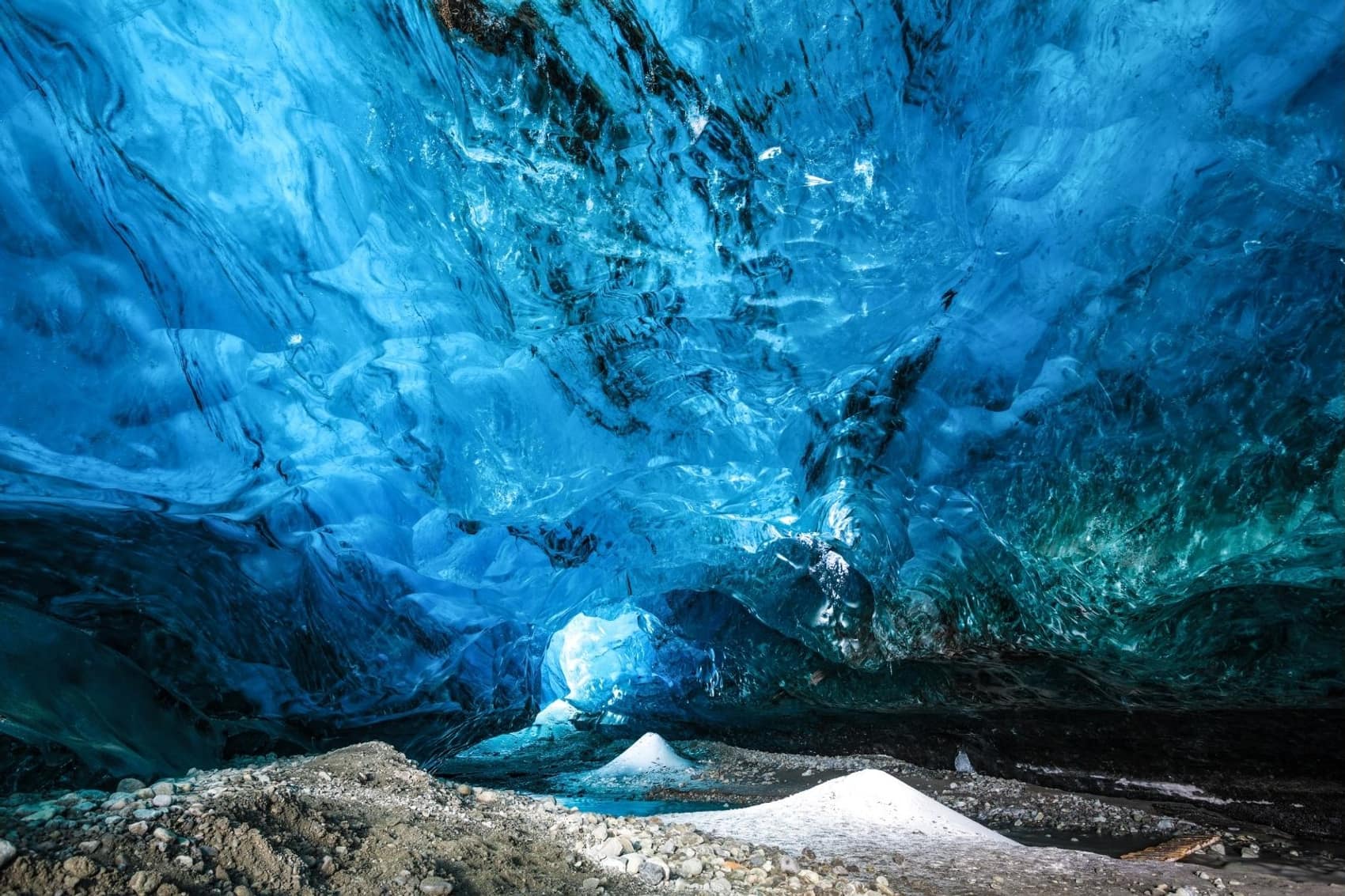
Early spring (March): full winter scenery with 10 to 13.5 hours of light, strong aurora around the equinox, the ice cave season’s finale, and peak skiing. Effectively winter with the lights on.
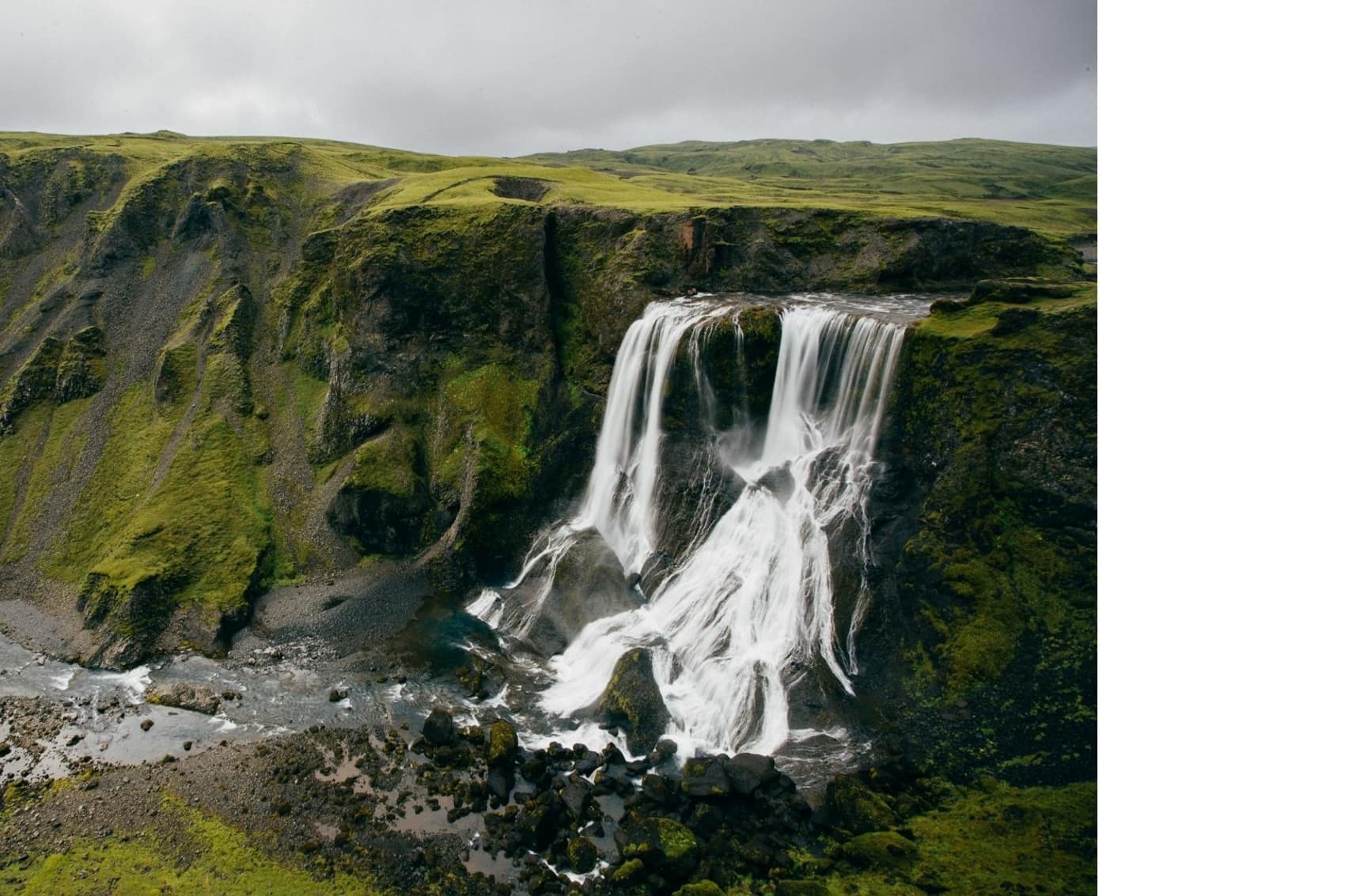
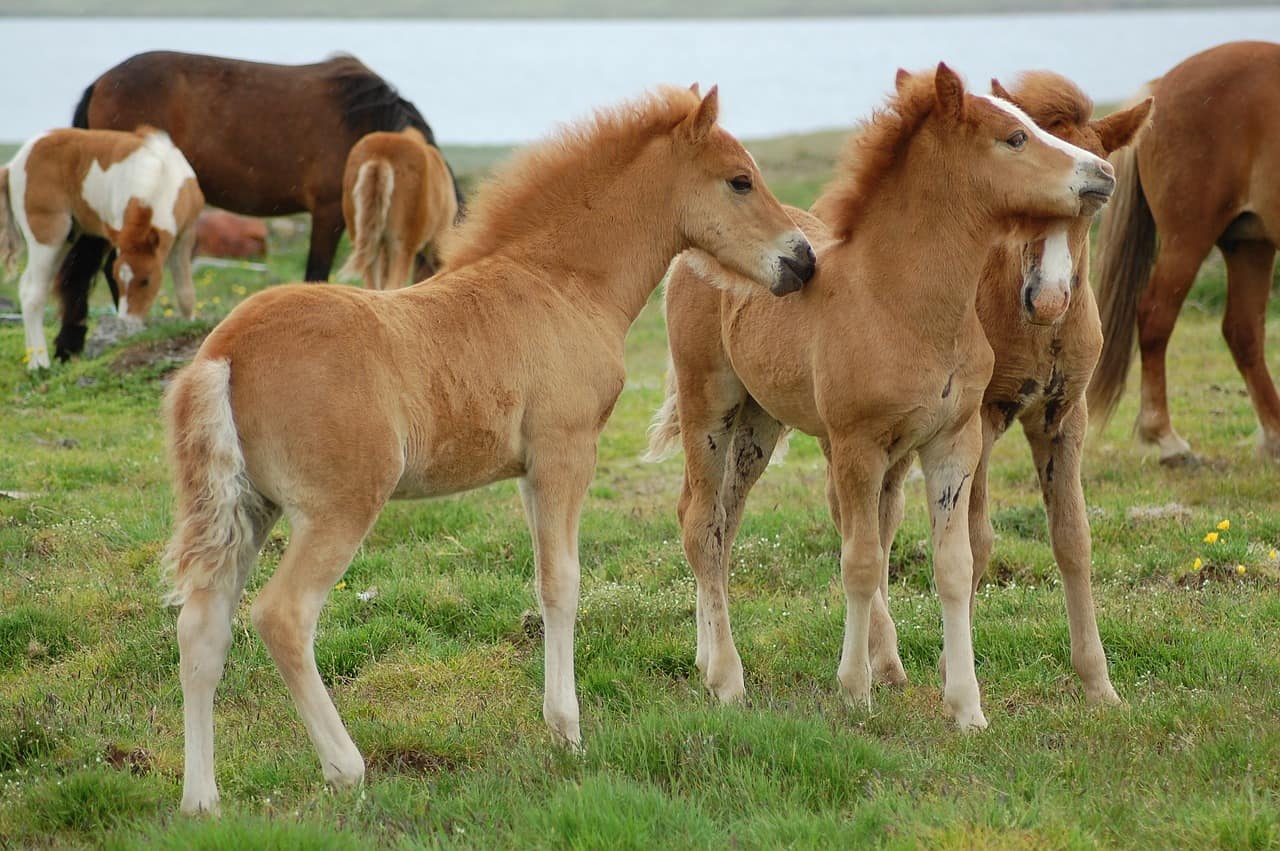
Mid spring (April): the thaw. Waterfalls swell to maximum volume, the last auroras fade mid month, puffins return to the cliffs, 400,000 lambs arrive, and Icelanders declare the First Day of Summer while wearing parkas.
Late spring (May): functionally early summer. Twenty hours of light, whales and puffins at full occupancy, the lupine bloom beginning, every lowland road open, and the Ring Road at its quietest good month.
The Best Things to Do in Iceland in Spring
Stack the Transitions
Spring’s unique trick is the both/and trip. Early April can plausibly deliver an aurora display and a puffin sighting within the same week, a combination physically impossible in any other season. Build trips around the handovers: aurora plus ice cave in March, aurora plus puffins in early April, midnight light plus whales in May.
Waterfall Season
Snowmelt makes April and May the loudest months at every major fall: Gullfoss, Skógafoss, Dettifoss, and Glymur all run at full throttle, and the behind the curtain path at Seljalandsfoss reopens from winter closure. Pack the rain shell; proximity is the point.
The Wildlife Returns in Order
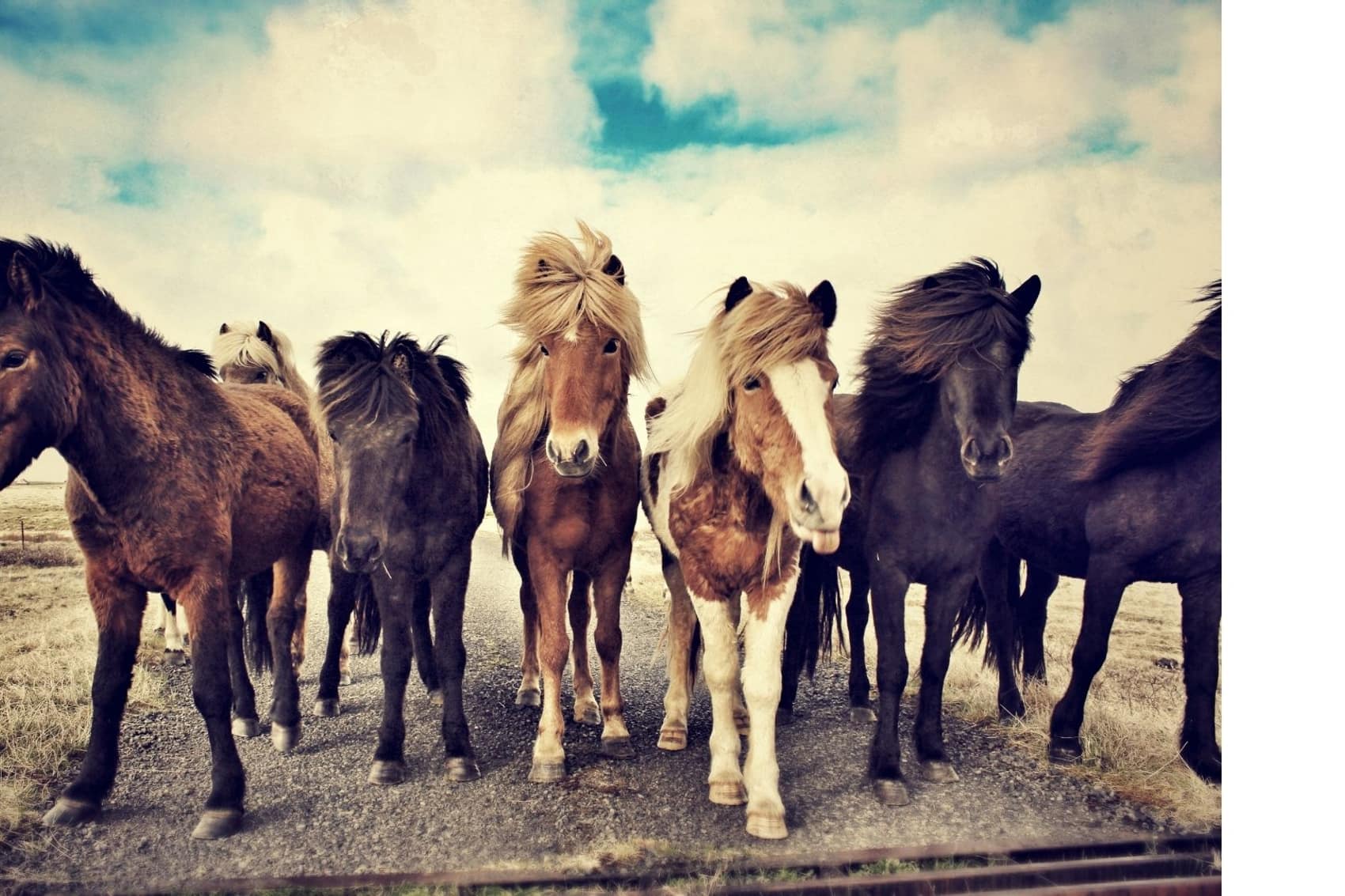
Spring runs a strict schedule: whales build in northern waters from April, puffins arrive through April toward May’s full colonies, migratory birds flood Lake Mývatn (Europe’s richest duck habitat) in May, seals pup on the Vatnsnes peninsula, and the lambs simply take over everything. Birders should aim for May; generalists win from late April onward.
The Last Snow and the First Trails
March and April carry peak skiing (Hlíðarfjall, the Troll Peninsula’s heli season) while May opens the great lowland hikes: Glymur’s full loop, Reykjadalur’s hot river without ice, Snæfellsnes coastal paths. The highlands stay shut until summer; spring is for the edges, not the interior.
Road Trip the Shoulder
April and May are the Ring Road’s value window: clearing roads, long days, guesthouses charging spring rates, and Jökulsárlón or the East fjords nearly private. May in particular may be the single best full circuit month of the year.
Easter and the Spring Festivals
Easter brings five national holidays and ski town buzz (book ahead, plan around closures), Beer Day opens March, DesignMarch fills the capital with open studios, the First Day of Summer parades in April, and the Reykjavík Arts Festival closes May. Spring’s calendar is busier than its reputation.
Spring Practicalities
Pack for two seasons regardless of month: thermal layers and waterproofs always, ice grips in March, sleep mask from late April, sunglasses throughout. Rent 4WD in March, relax to 2WD by May. Aurora hunters front load the season; wildlife travelers back load it. And book Easter week early; Iceland takes its five day weekend seriously.
Frequently Asked Questions
What is spring like in Iceland?
A fast transition: winter in March, thaw in April, near summer by late May, with temperatures climbing from around freezing to 10 degrees.
Can you see northern lights in spring?
Through mid April, yes, with March among the year’s best months. From late April the nights are too bright.
Is spring a good time to visit Iceland?
For value and variety it is outstanding: each month offers a different blend of winter and summer Iceland at shoulder prices.