
Conditions on the Reykjanes peninsula change. Check safetravel.is and road.is for current access status before visiting, and treat this page’s date stamp as part of the information.
Grindavík is unlike any other stop in Iceland, because its story is still being written by the ground beneath it. The fishing town of 3,600 was evacuated in November 2023 when the Sundhnúkur fissure system reawakened; a series of eruptions followed, lava reached the town’s edge in January 2024, and the community largely relocated. The town reopened to visitors in late 2024, and today Grindavík exists as something rare: a working harbor, a memorial in progress, and the most accessible window onto live volcanism in Europe, all sharing one grid of streets.
Visiting is possible and, done respectfully, worthwhile. Here is how.
Visiting the Town Itself
When access is open (again: safetravel.is first), visitors can drive into Grindavík, see the harbor where boats still land their catch, and witness what the earth did: the lava edge at the town’s margin, the defensive berms built at remarkable speed to deflect flows, and streets affected by the ground deformation. The standing guidance from authorities deserves repeating plainly: stay on roads and paved areas, never wander onto open ground or private property (concealed crevasses from the 2023 deformation remain a real hazard), and remember services in town are minimal: a few restaurants have reopened, but this is not a normal tourist stop. Travelers who treat it as a place to understand rather than a backdrop to consume are the ones the town welcomes.
The Volcano Experience
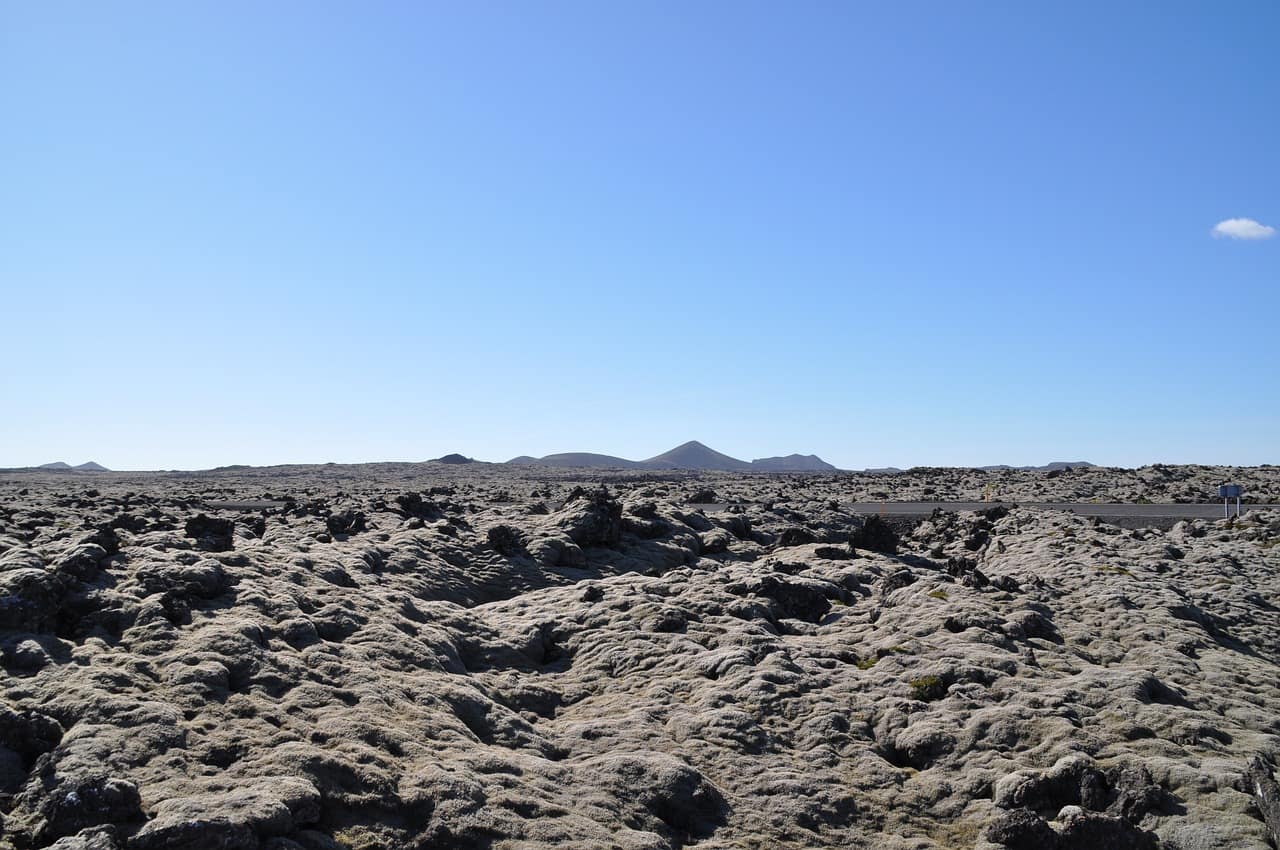
Grindavík’s surroundings are the stage of the Reykjanes fires: the Fagradalsfjall valleys whose 2021 to 2023 eruptions drew the world, and the Sundhnúkur crater row behind the recent activity. Guided volcano hikes and super jeep tours operate when authorities deem areas safe, adjusting routes to the best legal viewpoints; during active phases, helicopter overflights from Reykjavík offer the view nothing on foot can match. Between eruptions, the fresh lava fields themselves (still steaming in places, raven black against the moss) are the attraction: walking beside rock younger than your phone recalibrates your sense of the word “land.”
The Doorstep Classics
The Blue Lagoon sits ten minutes north of town and has operated through the volcanic period with occasional precautionary closures: its waters, the silica mask ritual, and the in lagoon bar remain Iceland’s most famous bathing experience, and pairing it with a Grindavík visit frames the peninsula’s full story of geothermal power and risk. The wider Reykjanes Geopark spreads west: Gunnuhver’s roaring mud springs, the Reykjanes lighthouse and the bird cliffs at Valahnúkamöl, the Bridge Between Continents across the plate rift, and Selatangar’s abandoned fishing station ruins along the old lava shore.
Why Go at All
Fair question, honestly answered: because Grindavík is the most vivid lesson in Iceland about what this island is. Every waterfall and black beach on your itinerary was made by exactly the forces visible here in present tense. Spend your money at the businesses that reopened, follow every sign, and you leave with the trip’s most important understanding.
Frequently Asked Questions
Can you visit Grindavik now?
The town reopened to the public in October 2024 and access has generally remained open between eruption events. Always verify current status at safetravel.is before going.
Is Grindavik safe?
Within the rules, yes: stay on roads and paved areas, heed closures instantly, and avoid open ground due to crevasse risk. Conditions can change quickly.
Is the Blue Lagoon open?
It operates normally, with short precautionary closures during eruption events. Check its site alongside safetravel.is when activity is in the news.