
Summer Reykjavík is a different city wearing the same streets. Café tables migrate outdoors, the harbour fills with puffin boats, festivals stack onto every weekend, and the sun’s refusal to set produces a population wide agreement that sleep is optional. July and August are the warm heart of it. Here is how to spend them.
Use the Midnight Sun
The defining act of a Reykjavík summer is doing something normal at an absurd hour. Locals’ favorites: climbing Mount Esja at 10 pm and descending in golden light, walking the Sculpture and Shore path at midnight when the Sun Voyager glows amber, sea swimming at Nauthólsvík where the geothermal beach stays lively late, and golf rounds that tee off at 11 pm. In early July the sun dips below the horizon for barely three hours and never takes the light with it. Pack a sleep mask; the fun ends at your hotel window.
The Summer Only Experiences
Puffin Boats From the Old Harbour
From May to mid August, short cruises circle Akurey and Lundey islands, where tens of thousands of puffins nest within sight of parliament. The one hour trips are the easiest puffin encounter in Iceland.
Whale Watching at Peak Season
Faxaflói Bay’s summer roster includes minkes, humpbacks, dolphins, and porpoises, with the highest hit rates of the year and the calmest seas. Morning sailings are smoothest.
Viðey Island
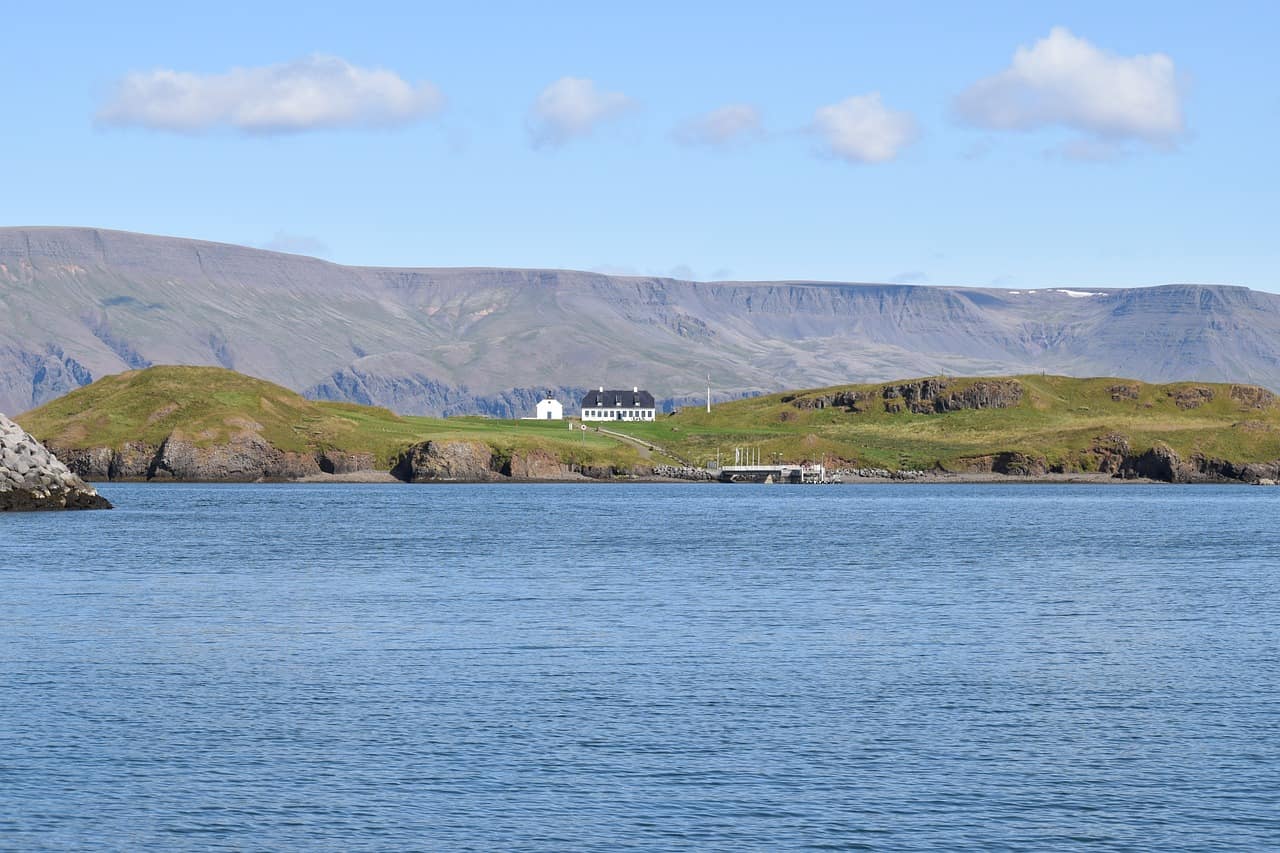
The five minute ferry reaches a car free island of walking paths, Iceland’s oldest stone house, Richard Serra’s standing basalt pairs, and ten thousand nesting birds. Yoko Ono’s Imagine Peace Tower lights from the island each autumn, but summer is when Viðey belongs to picnics.
Reykjavík’s Festival Stack
The calendar barely pauses: Seafarers’ Day kicks off June at the harbour, the Secret Solstice period celebrates the longest days, Innipúkinn fills the August long weekend, Reykjavík Pride paints the city in August, and Culture Night (Menningarnótt) closes the season with the whole capital as one street party ending in fireworks. Check exact dates for your year and plan around Culture Night especially: it is the city’s biggest single day.
Everyday Summer Pleasures
The pools move outdoors in spirit: Laugardalslaug’s 164 feet (50 meter) outdoor lanes and slides peak now, and Vesturbæjarlaug’s hot tubs host the season’s gossip. Ice cream becomes structural: the queues at Valdís in Grandi justify themselves. The botanic garden in Laugardalur and the family zoo beside it fill with locals, Klambratún park hosts frisbee and festivals, and rented bikes make the flat coastal paths the best transport in town. Street food and the harbour fish restaurants serve until late under full daylight.
Day Trips in Their Prime
Summer unlocks everything within reach: the Golden Circle at 9 pm with empty car parks, the South Coast in green, Snæfellsnes under the midnight sun, the Reykjadalur hot river hike, Glymur waterfall’s full trail, and Þórsmörk by highland bus. Our day trips from Reykjavík guide covers all ten routes.
July or August?
July is peak everything: warmest averages (10 to 15 degrees, occasional 20 degree days), maximum daylight, maximum visitors and prices. August keeps the warmth, slowly returns real nights (with a genuine chance of early northern lights in the final week), adds Pride and Culture Night, and sees puffins depart mid month. Both are superb; August is sneakily the better value.
Frequently Asked Questions
How warm is Reykjavik in summer?
Typically 50 to 59°F (10 to 15°C), with the occasional glorious spike. A light jacket lives in your bag regardless.
Does it really not get dark?
From mid May to late July, no true darkness. By late August, nights return enough for aurora hunting.
Is Reykjavik crowded in summer?
Lively rather than crushed: the crowds spread along the South Coast by day. Book hotels and popular restaurants well ahead for July.