
Hella is a town travelers use rather than visit, and the locals seem entirely at peace with the arrangement. Eight hundred people, a bridge over the salmon rich Ytri Rangá, fuel, food, and a strategic position 40 minutes before the famous waterfalls begin: Hella’s pitch is logistics. But linger a day and the area reveals genuine cards: caves older than anyone can explain, the densest horse country in Iceland, and front row seats to two of the country’s most notorious volcanoes.
The Caves of Hella
The town’s signature mystery: twelve man made caves carved into the sandstone by the river, four of them open to guided visits, containing crosses, carvings, and wall seats of unknown age. Local tradition attributes them to Irish monks (the Papar) who reached Iceland before the Norse, which would quietly rewrite the settlement story; archaeology has confirmed only that they predate reliable records. The guided tour is short, atmospheric, and leaves you with a genuine unsolved question, the rarest souvenir in a well documented country.
Horse Country
The Rangárvellir district is the heartland of the Icelandic horse: stud farms line every road, and several of the country’s most respected riding operations (multi generational family stables among them) run tours from beside Hella, from one hour beginner ambles along the river to multi day treks toward the highlands. The national breed’s fifth gait, the tölt, is best learned here where it was perfected, and October’s annual Stóðréttir horse roundups nearby let visitors watch hundreds of horses driven down from summer pastures, the equine version of the sheep réttir.
Volcano Row
Hella sits in the amphitheater of the south’s two celebrity volcanoes: Hekla, medieval Europe’s “Gateway to Hell,” looming northeast with its eruption history of short notice and long reputation (the Hekla Center at Leirubakki tells the story), and Eyjafjallajökull to the southeast, the 2010 ash cloud’s unpronounceable author, with the Lava Centre at Hvolsvöllur (15 minutes away) providing Iceland’s best interactive volcanism museum, including the earthquake simulator children request twice.
The Ytri Rangá itself is one of Iceland’s premier salmon rivers (permits serious, scenery free), and the riverside walk to the small Ægissíðufoss waterfall makes the town’s gentlest hour.
The Aurora Advantage
Hella’s flat southern horizons and minimal light pollution have made it a deliberate northern lights base: several area hotels are designed around the show, with wake up call services and outdoor hot tubs aimed at the sky. Positioned between Reykjavík and the waterfall coast, it lets winter travelers chase clear skies in either direction, which is exactly how the professional aurora guides use it.
The Strategic Stop
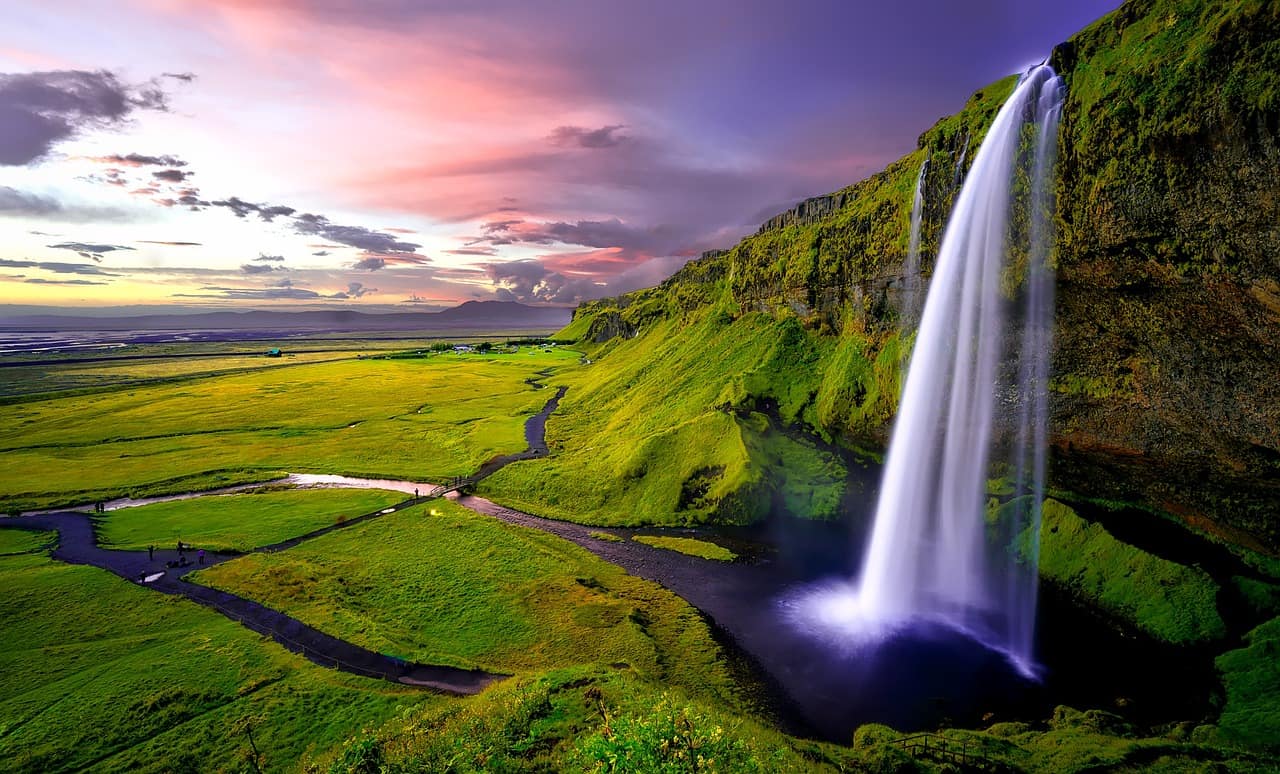
The honest summary: overnight in Hella (or its sister town Hvolsvöllur) on Day 2 of a southern itinerary and the next morning delivers Seljalandsfoss in 30 minutes, before the Reykjavík buses arrive. Add the caves, a ride, and the Lava Centre, and the logistics stop becomes a destination on its own quiet terms.
Frequently Asked Questions
Is Hella worth stopping in?
As a strategic overnight, absolutely; the caves and horse farms upgrade it from useful to genuinely interesting.
How far is Hella from the waterfalls?
Seljalandsfoss is about 30 minutes, Skógafoss 45: the head start is the town’s core value.
What are the Caves of Hella?
Ancient man made sandstone caves of unknown origin, possibly pre Norse, open by guided tour: one of south Iceland’s genuine mysteries.